Milan's business landscape is entering a critical moment. As we move deeper into 2026, companies operating from the gleaming towers of the Porta Nuova district to the manufacturing heartlands of the Brianza region are grappling with a perfect storm of economic pressures that demand immediate strategic recalibration.
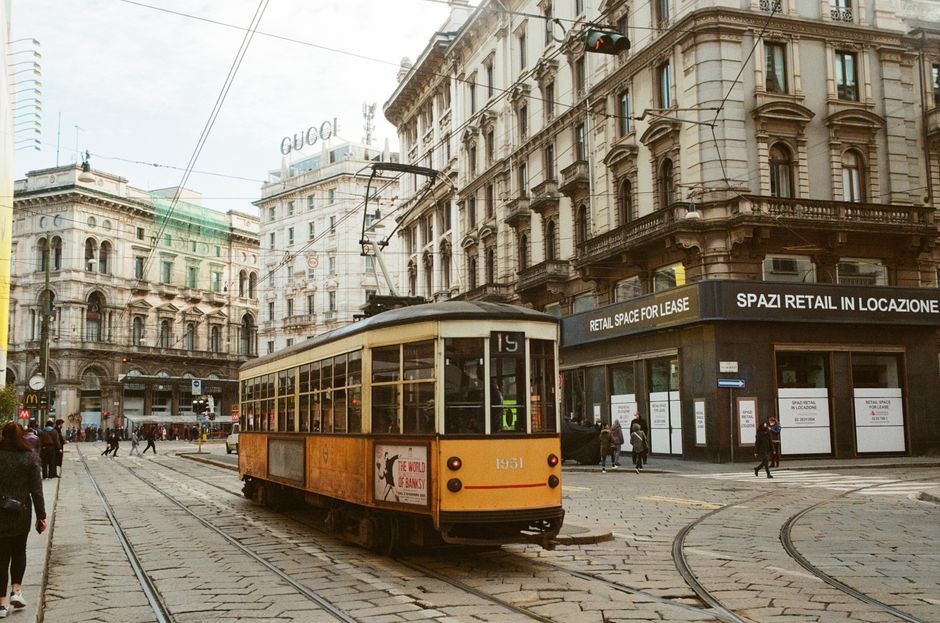
The cost of doing business in Milan has risen sharply. Office rents in the central business district—particularly around Via Montenapoleone and the Duomo area—have climbed 8-12% year-over-year, while energy costs remain stubbornly elevated across Lombardy's industrial zones. For mid-sized firms, especially those in fashion, design, and financial services that cluster around the Quadrilatero della Moda, these pressures are translating directly to margin compression.
The Borsa Italiana has shown resilience, but volatility persists. Tech-heavy Milan-listed companies have seen investor confidence fluctuate based on geopolitical tensions affecting supply chains, particularly those dependent on Middle Eastern trade corridors. Currency movements—especially euro-dollar dynamics—are creating hedging challenges for export-oriented businesses that form the backbone of the Lombardy economy.
What should Milan's business leadership prioritize right now? First, operational efficiency. Companies are increasingly automating processes and renegotiating supplier contracts. The logistics sector, vital to Milan's status as a distribution hub, is under particular pressure as transportation costs remain elevated.
Second, strategic repositioning. Investment capital is increasingly selective. Venture funds operating from the growing innovation hubs in Lambrate and NoLo districts are focusing on companies with clear paths to profitability rather than growth-at-all-costs models. Real estate investment trusts focused on Milan's office space are recalibrating their portfolios, with some shifting focus toward mixed-use developments rather than pure commercial properties.
Third, workforce adaptation. Salary pressures—Milan's competitive labor market has seen skilled workers command 5-7% annual increases—are forcing businesses to think more strategically about remote work policies and talent retention beyond compensation.
The broader picture suggests Milan's economy remains fundamentally sound. The city's financial services sector continues to attract institutional capital, and the creative industries remain engines of value creation. However, the days of easy expansion are over. Businesses that succeed in the next 12-18 months will be those that combine financial discipline with strategic investment in innovation and talent.
For investors, Milan still represents opportunity—but now demands careful sector selection and realistic return expectations. The city's resilience has been tested before; this cycle will likely prove no different, provided business leaders act decisively on the trends already visible.
This article was compiled by AI from the sources linked above and screened before publishing. See our editorial standards.