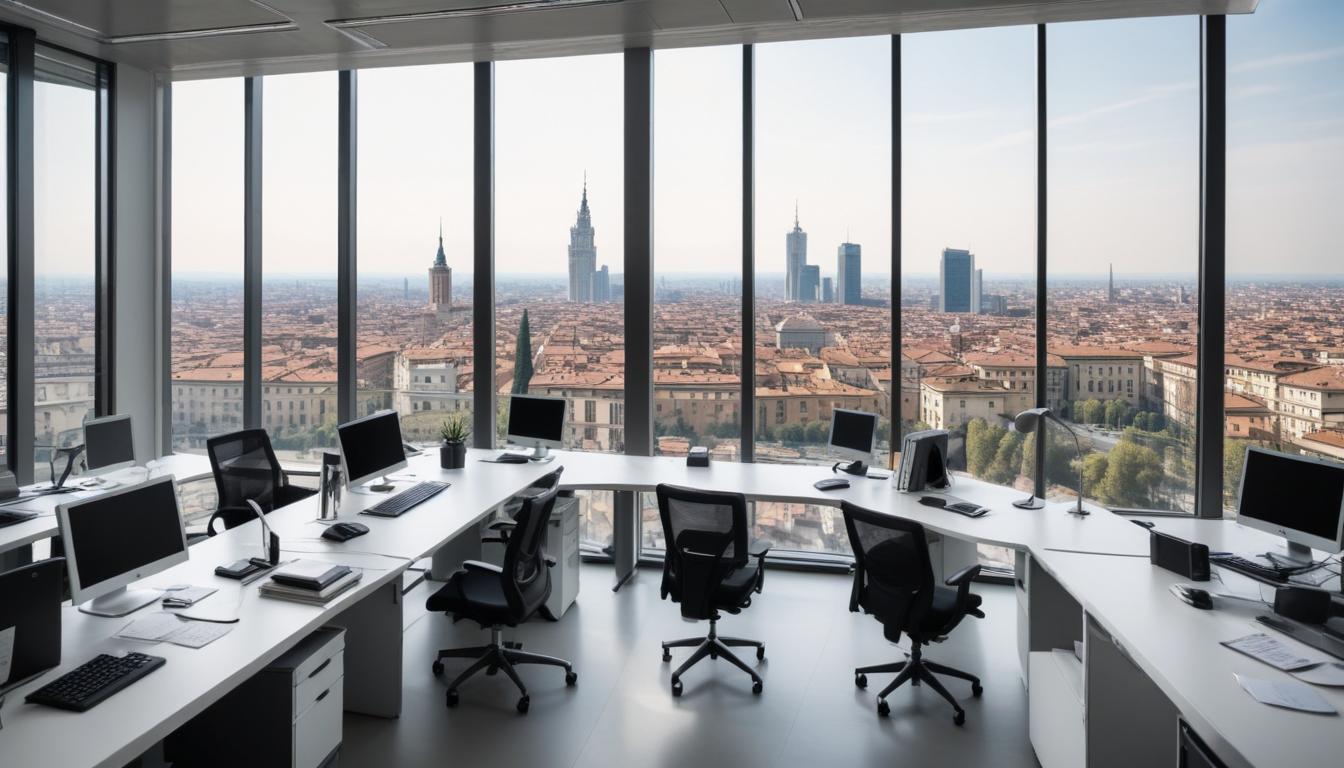
Milan's Employment Landscape Shifts: What Businesses Need to Know This Summer
Tech talent wars, remote work reshuffling, and wage pressures are reshaping hiring across the Duomo district and beyond.
Tech talent wars, remote work reshuffling, and wage pressures are reshaping hiring across the Duomo district and beyond.

Milan's job market is experiencing a notable recalibration as we enter the second half of 2026, with hiring patterns and salary expectations diverging sharply across sectors. For business leaders navigating recruitment across the city's financial hub and creative quarters, understanding these shifts has become essential.
The technology sector remains the engine of growth, particularly in the Porta Nuova and Isola neighbourhoods, where software development and AI-focused roles continue to command premium wages. Entry-level positions in these fields now regularly exceed €32,000 annually—a 12 percent jump from comparable roles two years ago. Recruitment agencies operating along Via Montenapoleone report that tech talent retention has become their clients' biggest headache, with experienced developers fielding multiple offers weekly.
However, this growth masks underlying fragmentation. Traditional manufacturing and logistics positions in the outskirts and industrial zones around San Donato Milanese are struggling to attract candidates, with many employers reporting unfilled vacancies lasting three months or longer. The premium placed on tech skills is pulling younger workers away from conventional manufacturing pipelines, forcing established companies to invest in retraining programs or raise base salaries substantially.
The hospitality and tourism sectors, buoyed by Milan's return as a major convention destination, face acute seasonal labour shortages. Hotels and restaurants clustered around the Duomo and Brera have increasingly turned to temporary staffing agencies, signalling that permanent recruitment remains challenging despite modest wage increases.
Remote work normalisation is creating unexpected consequences. While flexibility attracts talent to Milan, companies competing with workers based in lower-cost regions—particularly Eastern Europe—are finding salary arbitrage eroding their advantages. Several mid-sized firms in the Cairoli business district have responded by tightening hiring standards rather than raising compensation, creating a paradoxical market where positions sit unfilled despite nominal wage growth.
For businesses planning recruitment through autumn, several dynamics warrant close attention. First, benefits packages are becoming as important as salaries; companies offering flexible schedules and professional development support are closing candidate pipelines faster than those relying on wage competition alone. Second, the skills mismatch is widening—generalist hiring has become riskier as technical demands increase. Third, the city's cluster effect means proximity to innovation hubs increasingly determines talent attraction, benefiting firms near Porta Romana and Navigli over peripheral locations.
Employers should anticipate that summer hiring freezes will give way to aggressive autumn campaigns, particularly as companies reassess 2026 performance against headcount budgets. Early movers in both recruitment and workforce restructuring will have tactical advantages over competitors reacting to year-end pressures.
This article was compiled by AI from the sources linked above and screened before publishing. See our editorial standards.
How does this story make you feel?
Spread the word
About this article
Published by The Daily Milan
Daily brief
Free, in your inbox before 7am. Weekdays.
More in Business