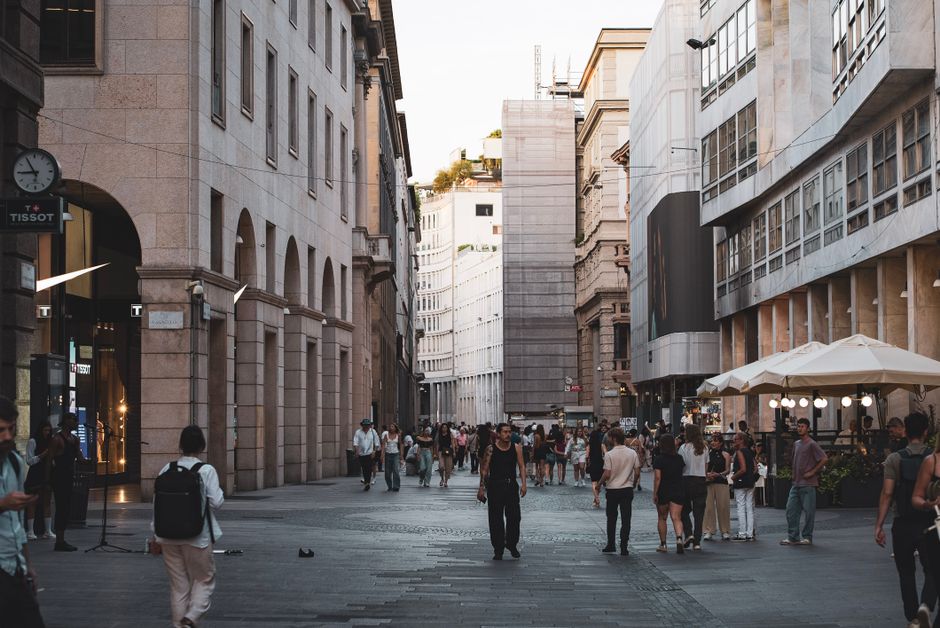
Walking through the Navigli district on a Saturday evening, you'll notice tables packed with Milanese professionals nursing aperitivos that now cost €8 instead of €6 two years ago. It's a small detail, but it reflects a broader financial reality reshaping how everyday residents in Italy's economic capital must think about their money.
Housing remains the most pressing concern for Milan's 1.3 million residents. Rental prices in central neighbourhoods like Brera and Magenta have climbed steadily, with average monthly rents now hovering around €1,200 for a one-bedroom apartment—a 15% increase since 2023. For young professionals and families, this represents 35-40% of household income, well above the sustainable 30% threshold financial advisors recommend. Those seeking relief have shifted focus to up-and-coming areas like Porta Romana and Lambrate, where rents remain 20-25% lower, though commute times have lengthened.
Food prices tell another instructive story. A basket of weekly groceries at Esselunga or Carrefour costs approximately €80-100 for a family of three—roughly 25% higher than 2022 levels. Residents shopping at neighbourhood markets along Via Torino or the Vercelli market are discovering modest savings, though this requires time and planning increasingly difficult for working Milanese.
The investment landscape presents both risk and opportunity. Italian Treasury bonds and savings accounts through major banks like Intesa Sanpaolo and UniCredit now offer returns of 3-4%, finally competitive with inflation for the first time in years. For residents with modest savings—the median Milanese household holds approximately €15,000 in liquid savings—these instruments offer more attractive alternatives to dormant accounts.
Perhaps most importantly, residents need to understand that financial resilience now demands active management rather than passive acceptance. Building an emergency fund covering three to six months of expenses has shifted from financial prudence to practical necessity. Those carrying consumer debt face particular pressure, with borrowing costs rising alongside central bank rates.
Milan's Chamber of Commerce reports that household confidence has stabilized but remains cautious. The message for everyday residents is clear: understand where your money goes, explore modest investment returns now available, and prioritize financial flexibility. The city that built modern Italian capitalism continues to demand financial literacy from its inhabitants—those who develop it will navigate these pressures far more comfortably than those who don't.
This article was compiled by AI from the sources linked above and screened before publishing. See our editorial standards.