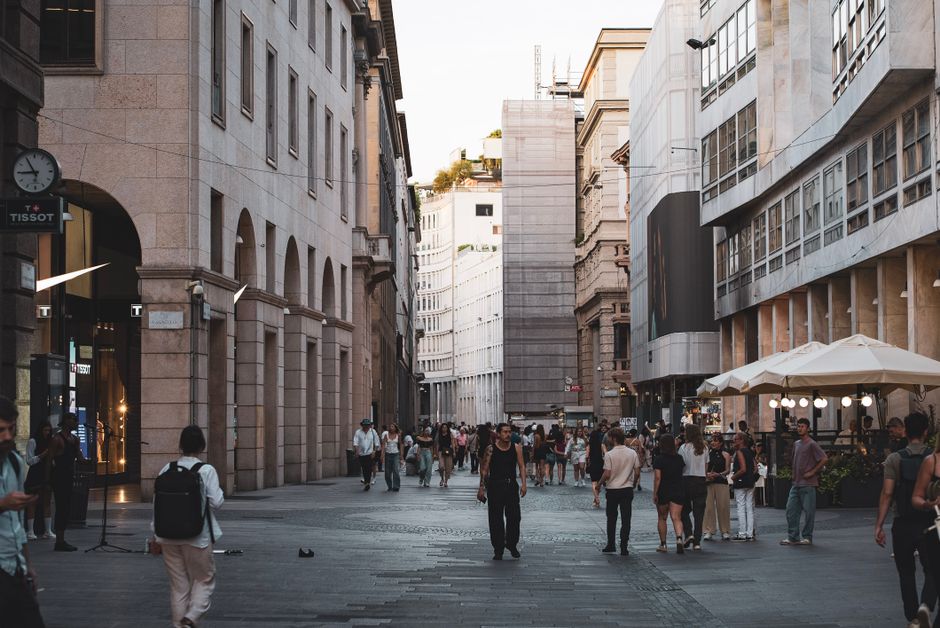
Walk down Via Brera on a Tuesday afternoon and you'll find the neighbourhood's character largely intact—vintage bookshops, design studios, and family-run trattorias still line the cobblestones. But behind many of these storefronts, small business owners are grappling with a perfect storm of economic headwinds that threaten the viability of enterprises that have defined Milan's entrepreneurial identity for generations.
The numbers paint a sobering picture. Energy costs for small enterprises have risen 34% year-on-year according to preliminary data from the Milan Chamber of Commerce, while commercial rent in premium neighbourhoods like Brera and Navigli has climbed steadily, with monthly rates now averaging €2,800-€3,200 per 100 square metres—a 12% increase since 2024. For artisans and independent retailers operating on thin margins, these twin pressures are proving unsustainable.
"We're not seeing the foot traffic we used to," explains one jeweller working in the Navigli district, who requested anonymity to protect business negotiations. "Milanesi are shopping more cautiously. Tourism remains strong, but domestic consumer confidence is fragile." Data from the Confcommercio federation supports this observation: retail spending in the Lombardy region has contracted 3.2% in the first half of 2026 compared to the same period last year.
Labour costs present another acute challenge. The recent renewal of Milan's labour agreements pushed minimum wages up 6.5%, affecting hospitality venues and boutique manufacturers throughout the city. A small café owner near Piazza del Duomo estimates the impact has added €8,000-€10,000 to annual payroll expenses.
Yet it's not all pessimism. Some entrepreneurs are adapting. The rise of digital marketplaces has enabled artisans in the Tortona design district to reach international customers directly, bypassing traditional wholesale channels. Several small fashion and furniture makers report that export channels—particularly to emerging markets in Asia—are compensating for domestic weakness.
The Milan municipality has launched support initiatives through its business development office, including subsidised consulting on energy efficiency and digital transformation. Still, many entrepreneurs question whether these measures go far enough.
As we approach the second half of 2026, Milan's small business sector faces a critical juncture. The city's reputation as a hub for independent creativity and craft remains strong, but without relief on energy and rental costs, many worry that the ecosystem that makes Milan distinctive could fundamentally change.
This article was compiled by AI from the sources linked above and screened before publishing. See our editorial standards.