The Milan commercial property market has shifted dramatically since 2023, with average office rents in prime districts now hovering around €28-32 per square metre annually—a far cry from the pandemic doldrums that left swathes of downtown office towers half-empty. Today, a new generation of developers is capitalising on corporate appetite for reimagined, flexible workspaces, and few have done so more astutely than the teams transforming Porta Nuova's aging stock.
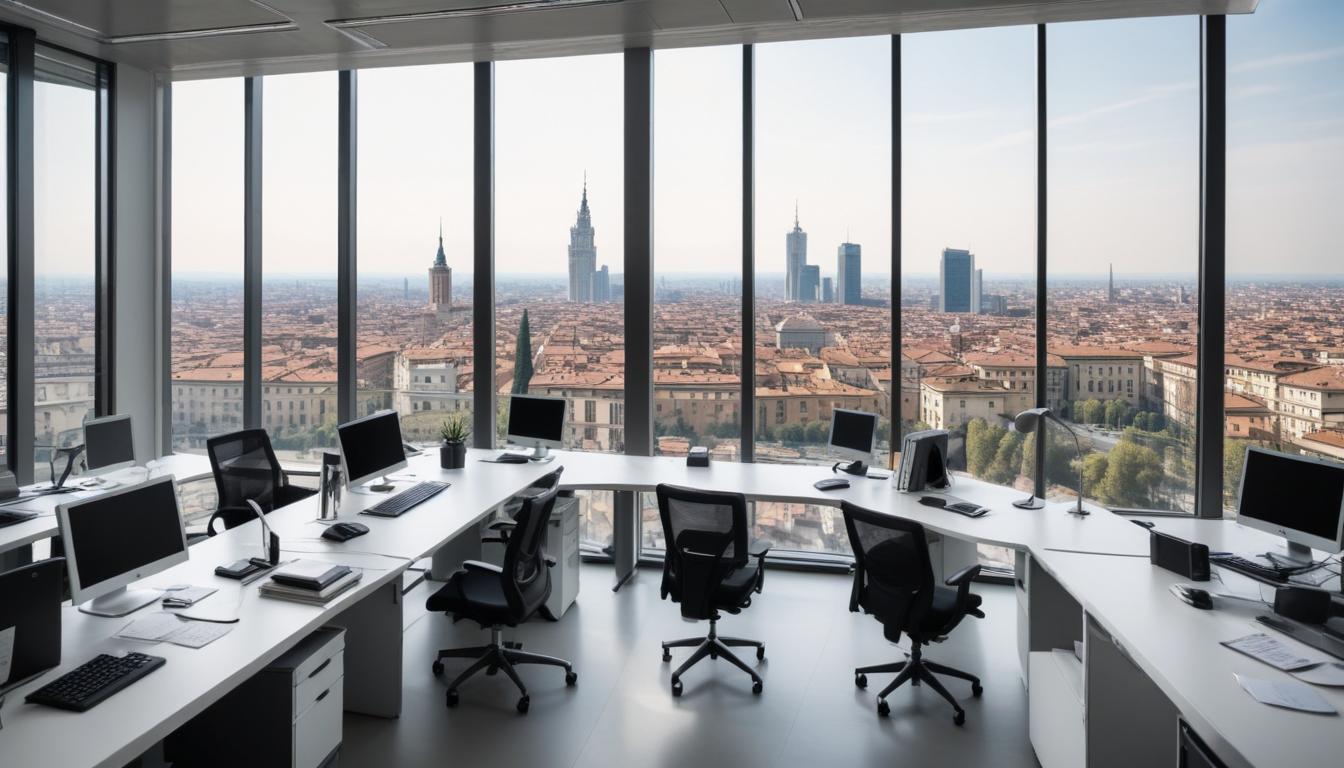
In the heart of Milan's northern business corridor, between Corso Como and Viale Melzi d'Eril, a particularly ambitious retrofit is underway that exemplifies the sector's evolution. The focus: converting rigid, early-2000s office blocks into hybrid environments that blend hot-desking, collaborative zones, and biophilic design—the kind of spaces that appeal to the tech startups and creative agencies now driving rental demand in Italy's economic capital.
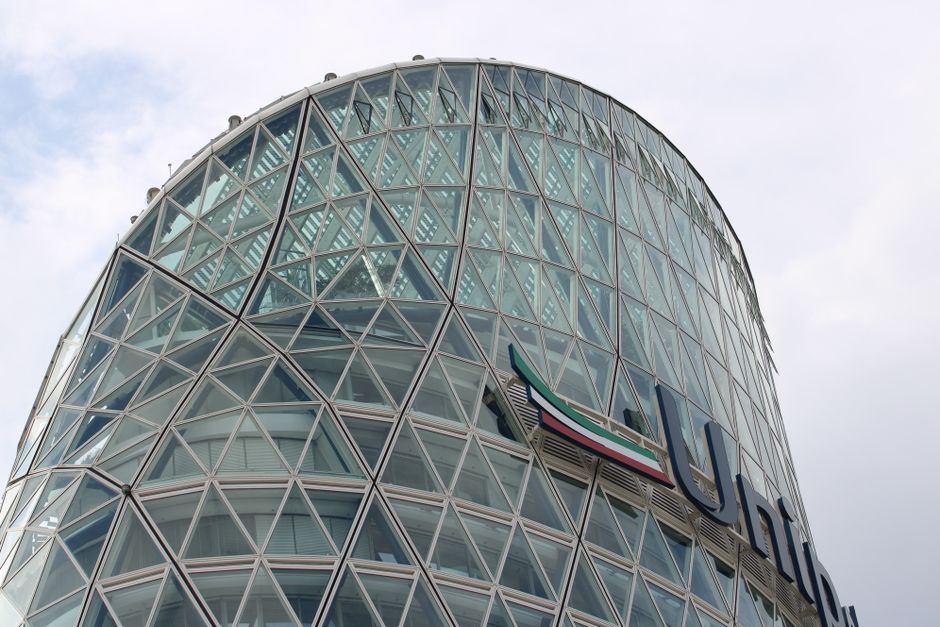
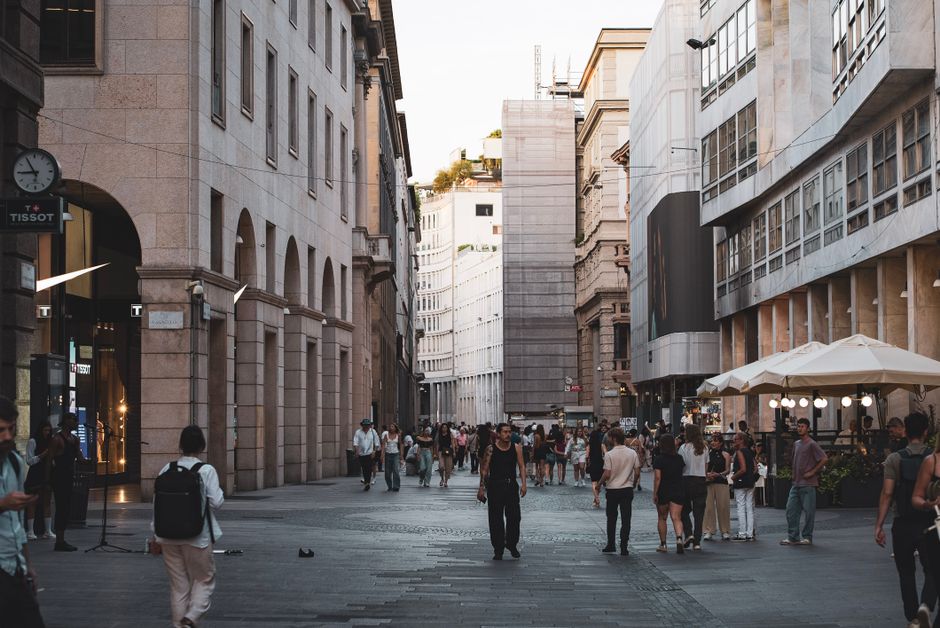
Market data from CBRE and Cushman & Wakefield suggests Milan's Grade A office stock—buildings meeting modern environmental and technological standards—accounts for just 18 per cent of the total city-centre supply. That scarcity is driving investor appetite. Prime locations in Garibaldi-Repubblica and around the Duomo district are seeing yields compress below 4 per cent, a trend that has redirected capital toward strategic secondary-prime sites like Porta Nuova, where acquisition costs remain competitive but upside potential is substantial.
The shift reflects broader European commercial real estate trends. Post-pandemic, occupiers want flexibility: shorter lease terms, modular layouts, and buildings with genuine ESG credentials. Milan, once known for Byzantine lease structures and dated infrastructure, is gradually repositioning itself as a forward-thinking office destination. The Sustainable Building Index, which monitors energy efficiency across European cities, now ranks Milan in the top quartile for commercial property retrofits—a substantial improvement from five years ago.
Developers capitalising on this transition are focusing on three imperatives: digitisation (5G connectivity, smart building systems), sustainability (renewable energy integration, water recycling, LEED certification), and experience (ground-floor retail, wellness amenities, public plaza space). Properties meeting all three criteria are commanding rents 15-20 per cent above market average—a premium that justifies the capital expenditure required.
For Milan's business community, the implications are clear. The days of long-term, single-tenant occupancy are fading. Companies now expect optionality, and developers who can deliver flexible, sustainable, community-oriented spaces are poised to capture the lion's share of institutional capital flowing into the city.
This article was compiled by AI from the sources linked above and screened before publishing. See our editorial standards.