Milan's celebrated position as a global cultural and fashion capital is being tested this summer as the city's tourism sector confronts a perfect storm of economic headwinds and geopolitical uncertainty. While the Navigli district bustles with outdoor diners and the Pinacoteca di Brera draws steady crowds, industry insiders warn that the recovery narrative is masking deeper structural challenges threatening the visitor economy's long-term health.
Hotel operators around the Duomo report occupancy rates hovering at 72 per cent this June—respectable on paper, but still three to four percentage points below 2019 baseline figures. More troubling for business owners is the composition of that occupancy: average nightly rates have climbed 18 per cent since 2024, yet per-guest spending on ancillary services—dining, shopping, cultural activities—remains depressed. "Visitors are coming, but they're spending less time in our neighbourhoods," one hotel general manager in the Brera area explained on condition of anonymity.
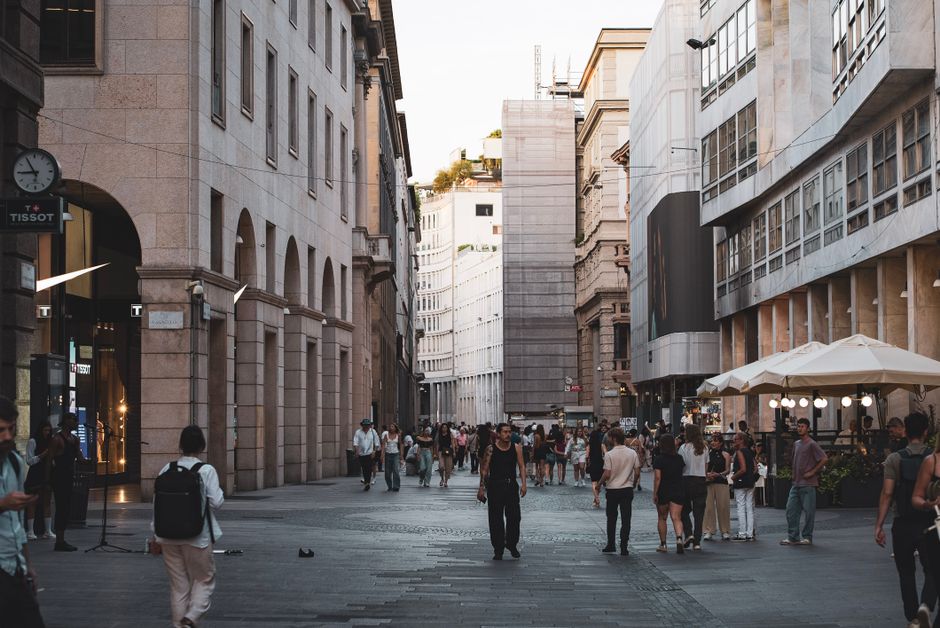
The retail sector feels the pinch most acutely. Along Via Montenapoleone and the surrounding fashion quarter, boutique managers report that international foot traffic, though recovering, remains volatile. Luxury goods sales to tourists have contracted 6 per cent year-on-year, a reversal that contradicts Milan's status as Europe's second-most-visited city by international shoppers. Currency fluctuations—particularly weakness among Asian currencies against the euro—have priced out crucial Japanese and South Korean visitor segments.
Security concerns add another layer of complexity. While Milan itself has maintained relative stability compared to other European capitals, regional instability in neighbouring areas and broader Middle Eastern tensions have prompted several North American tour operators to downgrade or redirect itineraries away from Northern Italy. Tourism board representatives acknowledge a 12 per cent drop in American visitor bookings for the final quarter of this year compared to the same period in 2025.
Compounding these challenges is the sector's labour crisis. Restaurant staff shortages in high-traffic areas like Piazza del Duomo have forced some establishments to reduce operating hours, dampening the spontaneous visitor experience that traditionally drives ancillary spending. Hospitality wage pressures—up an average of 7 per cent annually—are being absorbed through higher menu prices rather than improved service delivery.
The Comune and regional authorities have launched promotional campaigns emphasising Milan's design week and autumn cultural calendar, but operators privately acknowledge that without resolution of broader inflation and geopolitical concerns, the summer doldrums may extend well into autumn. For now, Milan's tourism sector is learning that even world-class attractions cannot insulate an economy from global turbulence.
This article was compiled by AI from the sources linked above and screened before publishing. See our editorial standards.