Milan's Fashion Empire Braces as Global Tensions Threaten Supply Chains
From the Quad to the Strait of Hormuz, geopolitical flashpoints are reshaping costs and logistics for the city's €15 billion luxury sector.
From the Quad to the Strait of Hormuz, geopolitical flashpoints are reshaping costs and logistics for the city's €15 billion luxury sector.
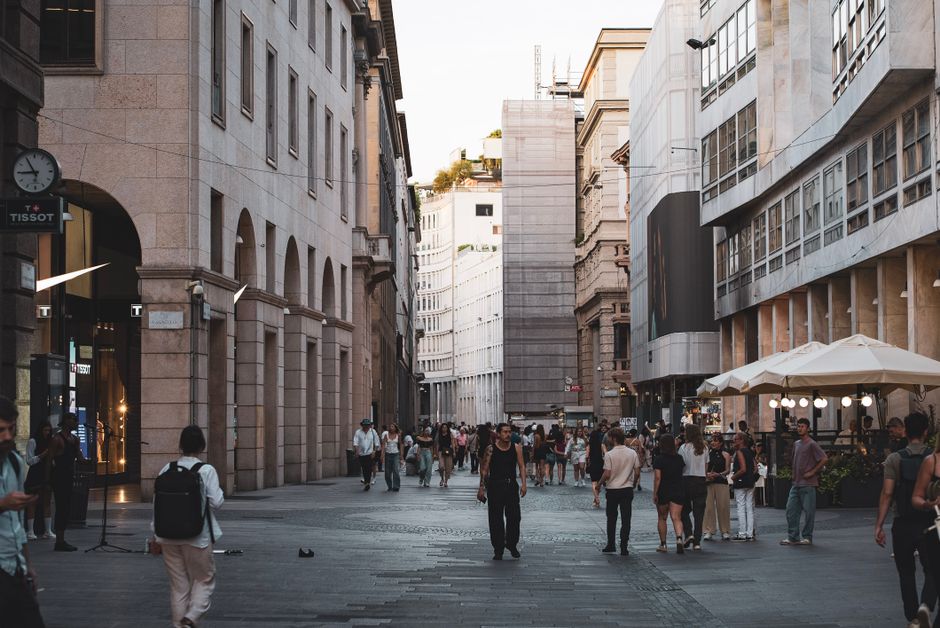
The tension is palpable in the marble-floored showrooms along Via Montenapoleone. As Milan's fashion houses prepare their autumn collections, executives are grappling with a reality that extends far beyond fabric swatches and seam lines: the world is becoming a riskier place to do business.
Recent geopolitical crises—from Pakistan's military operations on the Afghan border to Iran's calculated brinkmanship over the Strait of Hormuz—are creating tangible headaches for the city's design and manufacturing ecosystem. The Strait, through which roughly 21% of global oil passes, has become a flashpoint. For Milan's luxury conglomerates, already managing raw material costs that have risen 8-12% over the past eighteen months, potential disruptions threaten to add another layer of unpredictability.
"Supply chain resilience is no longer a nice-to-have," says the head of procurement at a major leather goods manufacturer based in the Navigli district, speaking on condition of anonymity. "We've diversified sourcing away from single-origin dependencies, but geopolitical shock still cascades through our timelines."
The numbers tell a concerning story. Milan's fashion and luxury goods sector—concentrated in neighbourhoods like the Brera and radiating outward to production hubs in Lombardy—exported €2.8 billion worth of goods in the first quarter of 2026, a 3.2% decline from the same period last year. Simultaneously, freight forwarding costs from Asian suppliers have jumped 18% due to longer, safer shipping routes around the Cape of Good Hope rather than through the Suez Canal and Persian Gulf.
Textile importers at the Centrale delle Merci—Milan's major freight distribution hub—report increased insurance premiums and longer lead times. A shipment of silk from Vietnam that once took 28 days now routinely stretches to 35-40 days, upending inventory cycles that luxury brands have perfected over decades.
Yet there's adaptation underway. Some firms are accelerating reshoring initiatives, moving production closer to European markets. Others are exploring African supply chains—cotton from Benin, artisanal craftsmanship from Kenya—to hedge against Asia-dependent vulnerabilities. At the Camera di Commercio in Piazza Mercanti, business support officers report a 22% uptick in consultations about supply chain diversification since April.
For Milan's business community, the message is clear: in 2026, global stability isn't a geopolitical abstraction—it's a line item on the quarterly balance sheet. And right now, that line is rising.
This article was compiled by AI from the sources linked above and screened before publishing. See our editorial standards.
How does this story make you feel?
Spread the word
About this article
Published by The Daily Milan
Daily brief
Free, in your inbox before 7am. Weekdays.
More in Business