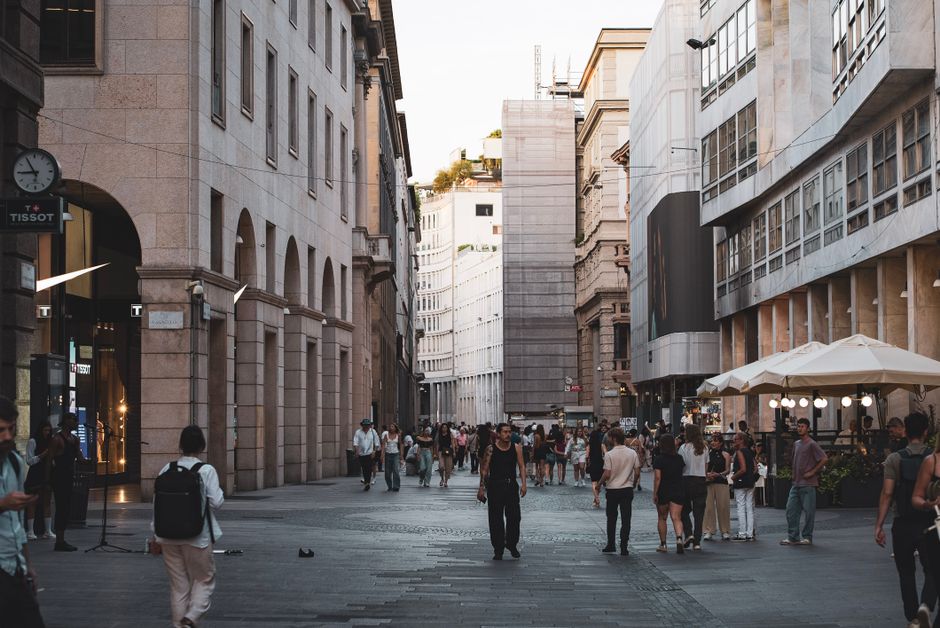
Walking through Navigli on a Saturday evening, the aperitivo crowd might appear unfazed by economic headwinds, but behind Milan's polished facade, thousands of residents are making harder financial decisions than they were two years ago. Rental prices in desirable neighbourhoods like Brera and Sant'Ambrogio have climbed roughly 8-12% since 2024, while grocery bills at Esselunga and Carrefour continue their steady upward march. Understanding these shifts isn't about pessimism—it's about navigating reality.
The numbers tell a story many Milanese live daily. A one-bedroom apartment in Lambrate now averages €850-950 monthly, compared to €750-850 in early 2024. Transport costs, including the ATM metro and bus network that connects Centrale station to the Duomo and beyond, have risen incrementally, though a monthly pass remains relatively affordable at €35. Yet cumulative pressures are real: a family's typical monthly grocery spend has increased by roughly 15% over 24 months, according to consumer tracking data from major supermarket chains.
What deserves careful attention is how these costs interact with wage growth—which, frankly, hasn't kept pace. For the average Milanese employee in finance, fashion, or manufacturing, real purchasing power has contracted modestly. This matters particularly for younger workers in Zona 9 (the Stadera and Vigentino districts), where cost-of-living ratios remain among the city's highest.
The silver lining: Milan's financial infrastructure remains sophisticated. Banks and fintech platforms operating from Porta Nuova's business district to Piazza Affari offer accessible tools for budgeting and investment. Many residents are exploring modest investment options—not speculation, but pragmatic moves into index funds and bonds—as a hedge against inflation eroding savings. Interest rates on deposit accounts have finally ticked upward, though returns remain thin.
For everyday residents, three practical takeaways matter: First, audit your fixed costs (rent, utilities, transport) before discretionary spending. Second, consider whether your income trajectory matches inflation. Third, if you have savings, explore whether they're working hard enough—even modest, low-risk investment products beat account rates that barely match inflation.
Milan remains a wealthy city with genuine opportunity. But that doesn't mean ignoring the squeeze. The families queuing at discount grocers in Città Studi and the professionals downsizing from Porta Romana to outer neighbourhoods aren't alarmist—they're realistic. That clarity is the first step to smart financial planning in 2026.
This article was compiled by AI from the sources linked above and screened before publishing. See our editorial standards.