What Milan's Residents Need to Know About Rising Interest Rates and Your Monthly Budget
As central banks signal further monetary tightening, everyday costs from mortgages to groceries are climbing—here's how to navigate 2026.
As central banks signal further monetary tightening, everyday costs from mortgages to groceries are climbing—here's how to navigate 2026.
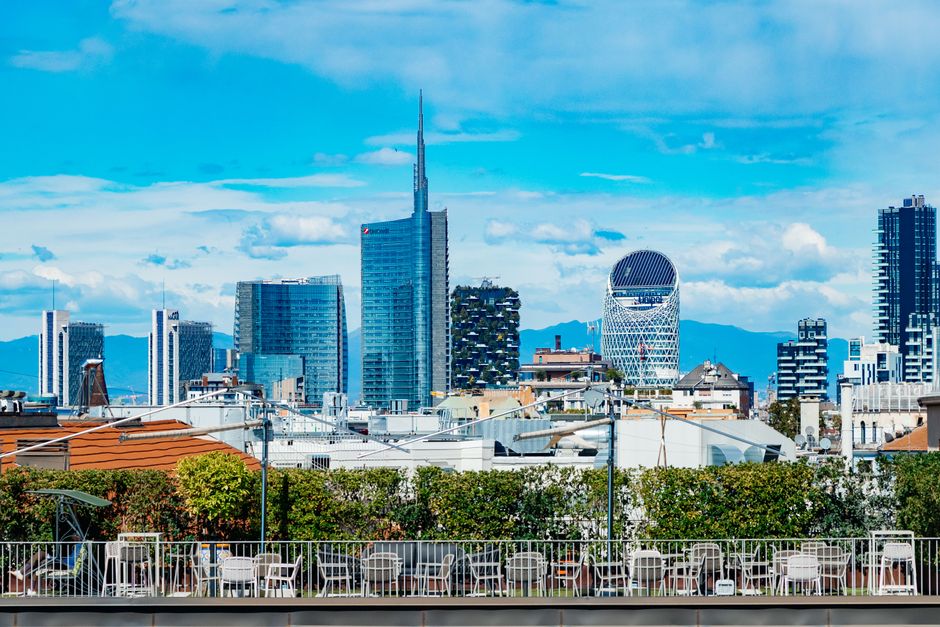
Walking through the Navigli district on a Saturday morning, you'll notice something familiar: conversations about rent, mortgage payments, and whether a coffee at a corner bar near Porta Romana still justifies €2.50. These aren't abstract economic discussions—they're the reality shaping Milan's cost of living in 2026.
For residents considering property investment in neighbourhoods like Lambrate or Porta Venezia, the calculus has shifted dramatically. Mortgage rates, hovering around 3.8–4.2% for new buyers, represent a significant jump from pandemic-era lows. A typical Milan apartment purchase now carries substantially higher monthly obligations. A €400,000 property—reasonable for a two-bedroom in central areas—translates to roughly €2,000 monthly mortgage payments, compared to €1,500 just eighteen months ago.
But mortgages tell only part of the story. Everyday expenses are tightening household budgets across the city. Supermarket prices, particularly for staple goods at chains along Corso Buenos Aires and neighbourhood shops, have risen 4–6% year-on-year. Energy bills, critical during Milan's long winters, remain elevated despite recent stabilisation efforts by utility providers.
What should residents understand? First, inflation is unevenly distributed. While fuel and food have cooled slightly, services—childcare, gym memberships, restaurant dining in Brera—continue climbing. Second, savings accounts and fixed-term deposits now offer genuine returns. Banks like Intesa Sanpaolo and UniCredit are offering 2.5–3% on longer-term deposits, making low-interest accounts obsolete.
Third, borrowed money has become expensive. Credit cards and personal loans now charge 8–12% annually. Those using Afterpay or similar services for purchases at Rinascente or smaller retailers should calculate true costs carefully.
The Milan Chamber of Commerce reports local small business confidence has stabilised, yet consumer spending remains cautious. Workers in the fashion, finance, and tech sectors dominating the metropolitan economy face real choices: allocate more to housing and essentials, or reduce discretionary spending.
For renters—the majority in central Milan—rising property values mean landlords face incentives to increase rents at renewal. The average apartment in Porta Garibaldi now exceeds €1,800 monthly for a modest two-bedroom.
The path forward requires clarity. Understand your actual borrowing costs. Review insurance and utility providers—competition remains genuine. Build emergency savings; unexpected expenses hurt more when interest rates punish debt. Finally, distinguish between necessary and aspirational spending. Milan's quality of life depends on making informed choices in an expensive, competitive city.
This article was compiled by AI from the sources linked above and screened before publishing. See our editorial standards.
How does this story make you feel?
Spread the word
About this article
Published by The Daily Milan
Daily brief
Free, in your inbox before 7am. Weekdays.
More in Business