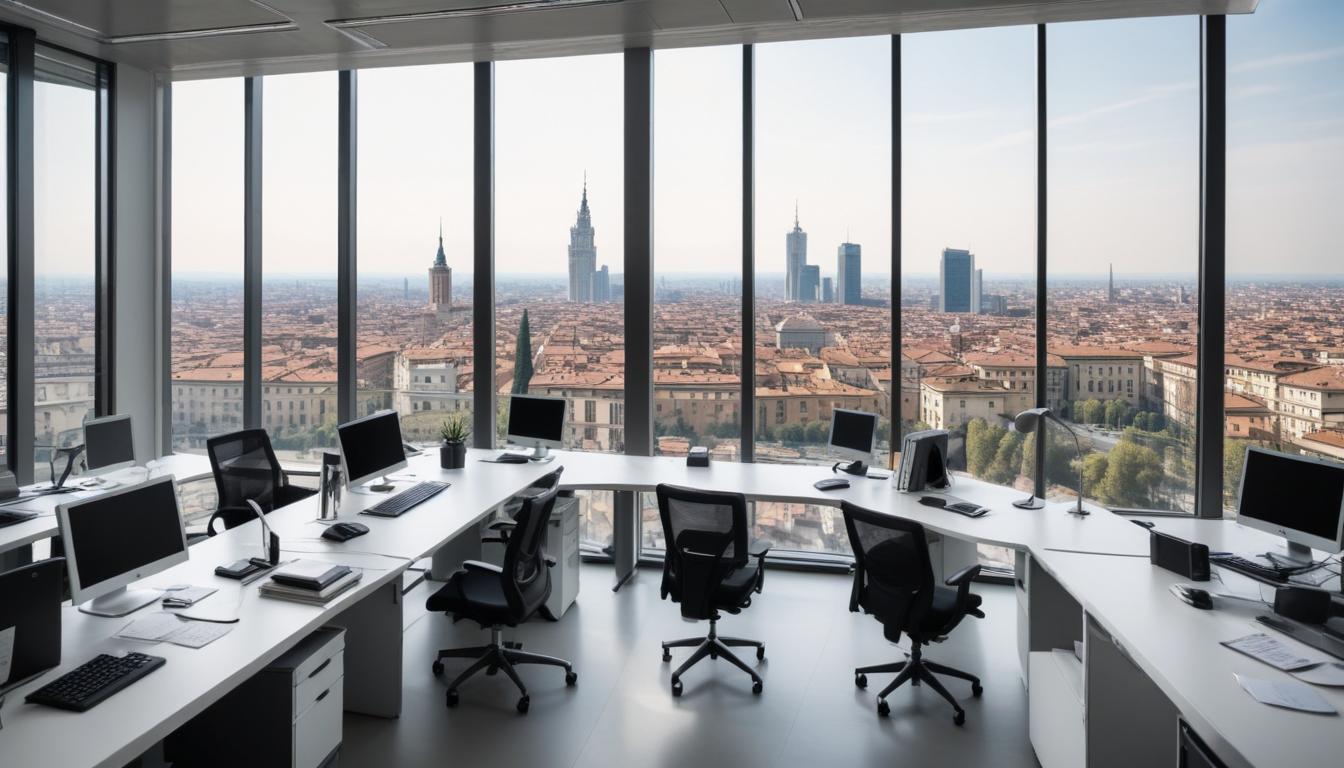
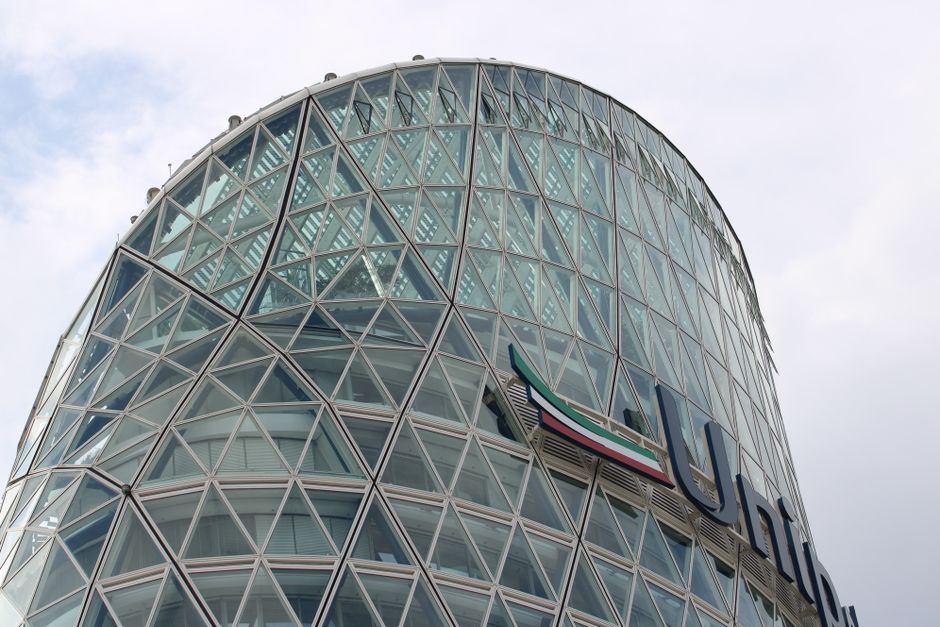
The gleaming office towers along Corso Como tell only half the story of Milan's economic transformation. While the city remains a magnet for finance, fashion, and tech professionals, an uncomfortable reality is reshaping how businesses here compete for talent: the cost of simply living in Milan has become as important a boardroom discussion as profit margins.
Real estate prices in desirable neighbourhoods have surged relentlessly. A one-bedroom apartment in Navigli, long the creative heart of the city, now averages €1,200 monthly—a 34 percent increase since 2021. Brera and Porta Romana tell similar stories. For junior analysts earning entry-level salaries at major financial institutions clustered around the Porta Garibaldi business district, these figures represent an insurmountable share of take-home pay.
The consequences are rippling through Milan's labour market in unexpected ways. Major employers—from Generali's headquarters to mid-market consulting firms—report declining acceptance rates for junior positions, with candidates increasingly citing relocation costs and affordability concerns. Some are now offering housing subsidies or remote-work flexibility, moves unthinkable five years ago. Others are quietly shifting recruitment pipelines toward candidates already embedded in the city, reducing geographic diversity.
"We're seeing a two-tier labour market emerging," explains the employment sector, where companies with deeper pockets retain mobility while smaller firms struggle. The broader talent pool is contracting, with mid-career professionals reconsidering Milan versus cheaper alternatives like Bologna or Turin—cities now offering comparable career opportunities with significantly lower living expenses.
This dynamic has particular implications for Milan's status as a global financial hub. While the city's banking sector continues to thrive, retention rates for talented young professionals have become a critical concern. Some firms are quietly experimenting with four-day work weeks and compressed schedules that allow employees to live further out—trading commute time for affordability in satellite towns along the regional rail network.
The phenomenon extends beyond finance. Creative industries, particularly around the Isola district and towards Lambrate, have traditionally attracted risk-tolerant young talent willing to accept lower starting wages for cultural prestige. That calculus is shifting. Design studios and digital agencies report candidates prioritizing compensation over brand cachet—a cultural break in a city where creative credentials once trumped salary negotiations.
Whether Milan's business establishment adapts through wage restructuring, remote-work normalization, or housing policy advocacy remains to be seen. What's clear is that the city's competitive advantage no longer rests on allure alone. In 2026, keeping Milan's talent pipeline flowing requires confronting an uncomfortable truth: prestige, alone, no longer pays the rent.
This article was compiled by AI from the sources linked above and screened before publishing. See our editorial standards.