Why Milan's Corner Shops Are Reshaping Your Daily Commute—And What You Should Know
As independent retailers reinvent themselves across Navigli and beyond, residents face a choice between convenience and community values.
As independent retailers reinvent themselves across Navigli and beyond, residents face a choice between convenience and community values.
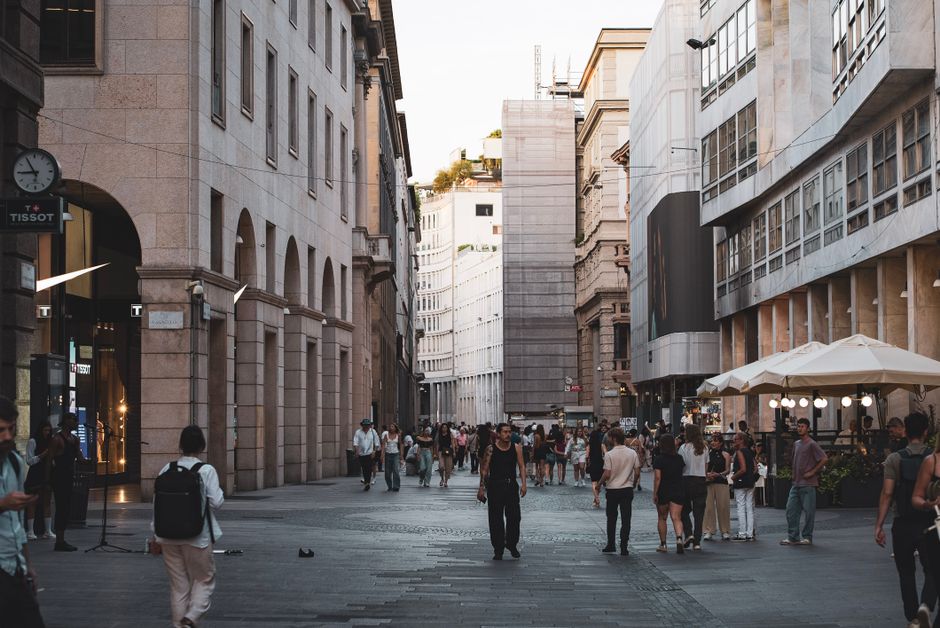
Walk through the Navigli district on any given morning, and you'll notice something subtle shifting. The corner grocers, florists, and small pharmacies that once seemed destined for extinction are experiencing an unexpected renaissance—one that's quietly reshaping how Milanese residents shop, spend money, and move through their neighbourhoods.
This matters more than it might initially appear. According to recent data from the Chamber of Commerce Milano Monza Brianza Lodi, small independent retailers now account for approximately 42% of Milan's retail footprint, up from 38% just three years ago. What's driving this reversal isn't nostalgia; it's a fundamental recalibration of what urban consumers actually value.
Take the proliferation of hyper-local delivery services concentrated around Via Torino, Porta Romana, and the areas surrounding Centrale Station. Small shop owners have collectively invested in shared logistics networks, allowing them to offer same-day delivery at competitive rates—something previously dominated by multinational platforms. Average delivery costs have stabilized at €2.50 to €4 for purchases over €15, compared to €5.99 from major competitors just two years ago.
But there's a consumer education gap worth understanding. Many Milanese residents still perceive independent shops as more expensive, even as pricing data tells a different story. A basket survey of everyday items—milk, bread, fresh produce—shows independent retailers on Viale Montenero and in the Brera neighbourhood consistently match or undercut supermarket pricing by 3-7% when you account for quality and waste reduction.
The real shift involves hidden costs most shoppers overlook. Convenience platforms generate transaction fees and data collection that independent shops don't impose. Conversely, traditional retailers often lack the technological sophistication for seamless online ordering that time-pressed residents increasingly expect.
The Associazione Commercianti Milano has begun addressing this through subsidized digital training programs, helping owners modernize operations. Yet adoption remains uneven across neighbourhoods—Isola and Garibaldi see faster innovation than peripheral areas.
For everyday residents, the practical lesson is clear: the retail landscape around you isn't simply gentrifying or consolidating. It's bifurcating. Your neighbourhood now likely offers genuine alternatives to established platforms, but finding and using them requires active engagement rather than passive habit.
Understanding which local shops near your commute routes offer competitive pricing, reliable delivery, and genuine value has become a form of consumer literacy. It's no longer peripheral information—it's central to how Milan's neighbourhoods actually function economically.
This article was compiled by AI from the sources linked above and screened before publishing. See our editorial standards.
How does this story make you feel?
Spread the word
About this article
Published by The Daily Milan
Daily brief
Free, in your inbox before 7am. Weekdays.
More in Business