Milan's Job Market Faces Perfect Storm of Headwinds in 2026
Hiring freezes, rising operational costs, and talent drain threaten the city's role as Italy's economic engine.
Hiring freezes, rising operational costs, and talent drain threaten the city's role as Italy's economic engine.
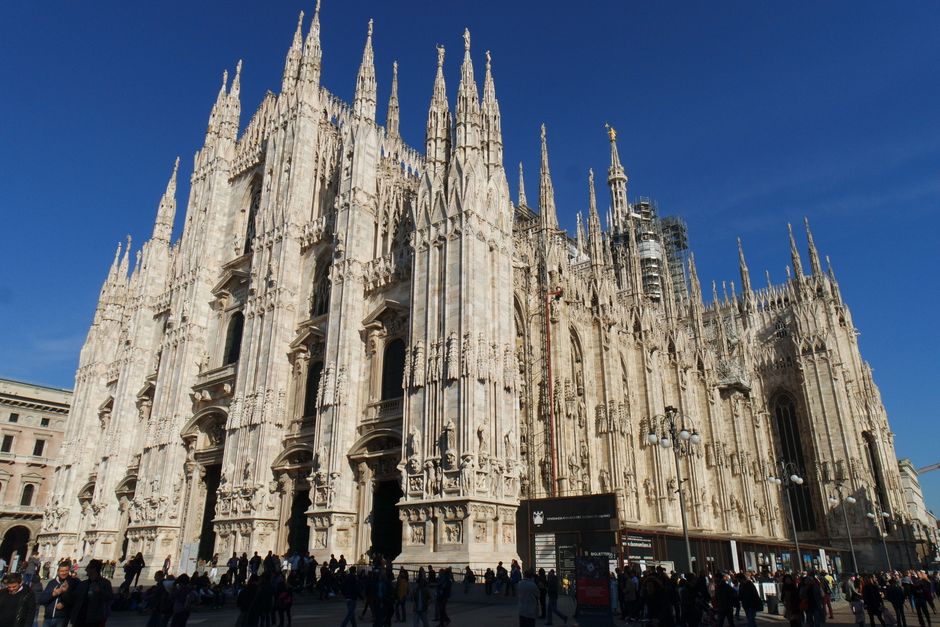
Milan's employment landscape is darkening. After years of resilience, the city's job market is colliding with mounting pressures that threaten both established corporations and the startup ecosystem that has flourished around districts like Navigli and Porta Romana.
The numbers tell a sobering story. According to recent labour market data, unemployment in the Lombardy region has climbed to 7.8%, with Milan proper experiencing sharper contractions in the financial services and fashion sectors. Major employers across the Quadrilatero d'Oro have announced hiring freezes or modest workforce reductions, citing margin pressures and uncertain demand forecasts. One prominent luxury goods conglomerate with headquarters near Via Montenapoleone quietly shelved plans for a 150-person expansion scheduled for this quarter.
Operational costs are strangling businesses regardless of size. Commercial rents in the Centro Storico and around Piazza Gae Aulenti—Milan's newest business quarter—remain stubbornly elevated. A 300-square-metre office space in these areas now commands €8,500–12,000 monthly, forcing mid-sized firms to reconsider expansion timelines. Coupled with energy costs that remain 40% above 2019 levels and wage pressures from a tightening talent pool, margins are thinning visibly.
The tech sector, once a bright spot, shows signs of strain. Venture capital funding to Milanese startups has cooled considerably since early 2025. Several promising firms in the Porta Garibaldi tech hub have either reduced headcount or restructured operations. Young professionals who might once have stayed in Milan for opportunities are increasingly looking south toward Rome's tech clusters or west toward Switzerland.
Hospitality and tourism-adjacent employment—traditionally a stabiliser—faces seasonal volatility exacerbated by softer international travel patterns. Hotels and restaurants clustered around Piazza del Duomo and the Navigli district report fewer advance bookings than comparable periods in previous years.
What distinguishes 2026 from prior downturns is the simultaneity of challenges. Businesses face not one headwind but several converging at once: geopolitical uncertainty affecting supply chains, tighter credit conditions, and talent mobility that favours larger, better-capitalised employers in other European hubs. Small and medium enterprises—the backbone of Milan's economy—report particular strain in recruiting and retaining skilled workers.
The city retains structural advantages: its role as Italy's financial capital, its fashion and design heritage, and its educated workforce remain intact. But without policy intervention or a meaningful shift in external conditions, Milan's employers face a grinding 2026 that will test resilience and force harder choices about growth and investment.
This article was compiled by AI from the sources linked above and screened before publishing. See our editorial standards.
How does this story make you feel?
Spread the word
About this article
Published by The Daily Milan
Daily brief
Free, in your inbox before 7am. Weekdays.
More in Business