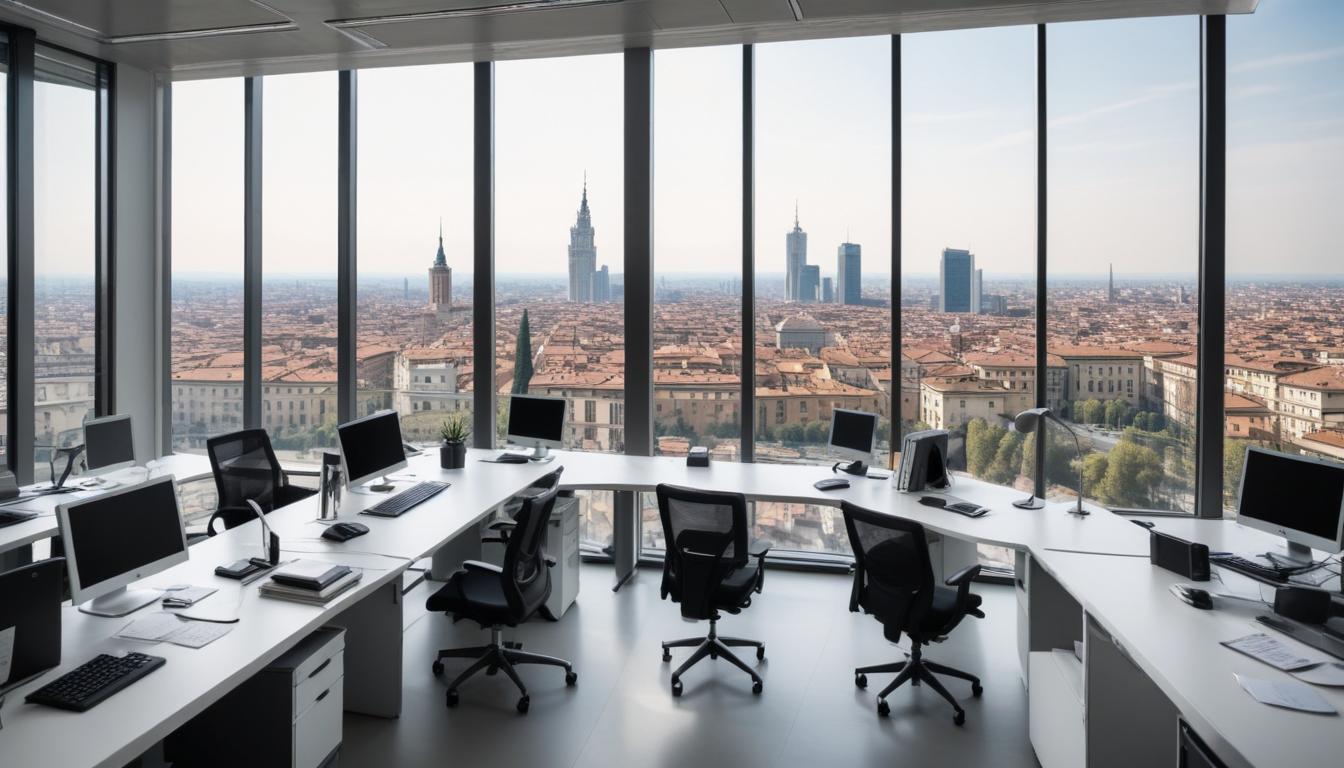
Milan's commercial property market is undergoing its most dramatic transformation in a decade. Office vacancy rates in the Porta Nuova corridor have dropped below 6%, the lowest in five years, while prime rental rates in the district have climbed to €850 per square metre annually—up nearly 18% since 2024. For residents navigating the city's evolving landscape, these trends carry implications that extend far beyond spreadsheets.
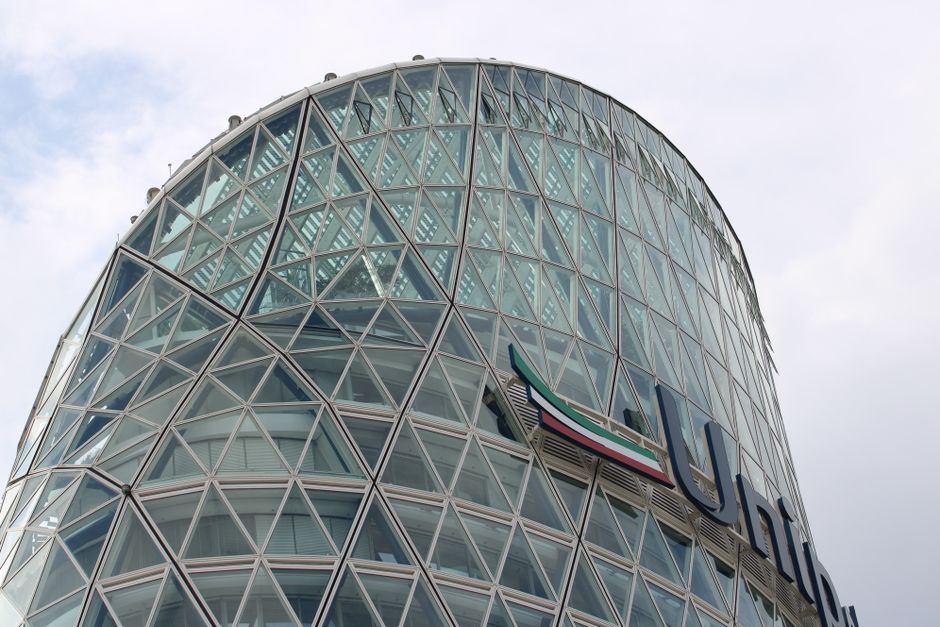
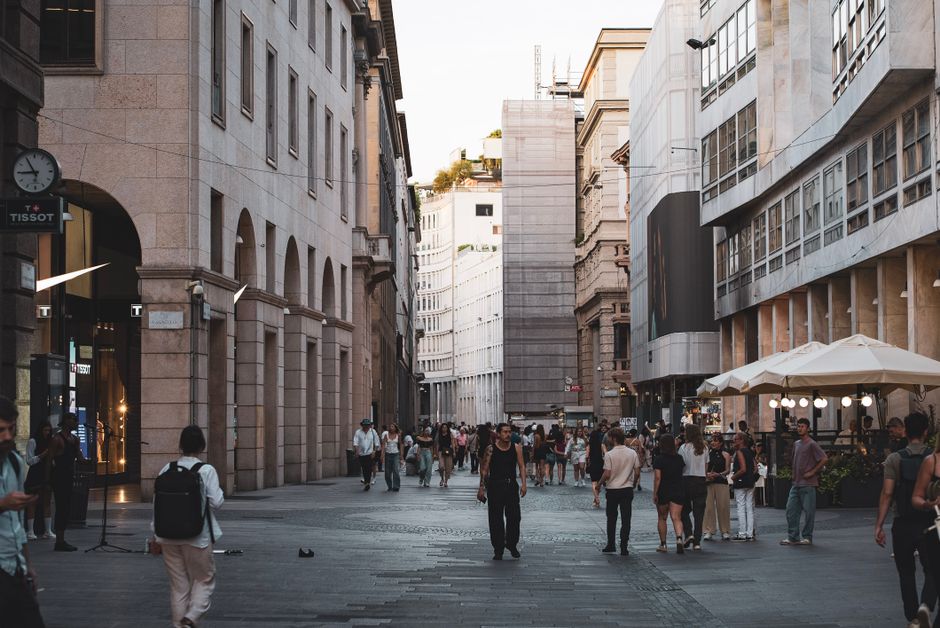
The surge reflects Milan's repositioning as a European tech and finance hub. Amazon, Google, and major Italian banks have consolidated operations along Via Melchiorre Gioia and surrounding areas, creating unprecedented demand for modern office space. The refurbishment of historic buildings in Brera and the conversion of former industrial properties near Lambrate are reshaping how the city works. What this means on the ground: expect longer queues at neighbourhood bars during business hours, increased property values in adjacent residential zones like Porta Venezia, and shifting foot traffic patterns that benefit some local retailers while challenging others.
Housing consequences merit attention. As commercial developers acquire older buildings earmarked for office conversion, fewer properties remain available for residential development. This structural tightening contributes to Milan's broader affordability pressures. A two-bedroom apartment in Porta Nuova now averages €6,200 monthly rent—a 22% increase over three years—partly driven by professional workers relocating to access these employment clusters. Young Milanese increasingly find themselves priced out of central neighbourhoods they grew up in.
The trend also recalibrates neighbourhood identity. Garibaldi, once known for artisanal workshops and design studios, now hosts corporate campuses. Some independent businesses have relocated to more affordable districts like Nolo or Navigli, creating cultural ripples. The Centrale Monumental area continues attracting premium office development, with completion expected through 2027, further intensifying competition for space and attention.
City planners suggest these dynamics aren't permanent fixtures. Milan's transition toward mixed-use districts—combining residential, office, and retail functions—aims to prevent the downtown desolation seen in other European cities. Projects like those around Stazione Centrale blend workspace with housing and public amenities, attempting to preserve livability while accommodating growth.
For residents, staying informed matters. Understanding which neighbourhoods face conversion pressures helps when choosing where to live or invest. Monitoring planning permission databases and attending local assembly meetings provides early warning of significant changes. Milan's office boom reflects economic vitality, yet its distribution shapes whose Milan it becomes.
This article was compiled by AI from the sources linked above and screened before publishing. See our editorial standards.