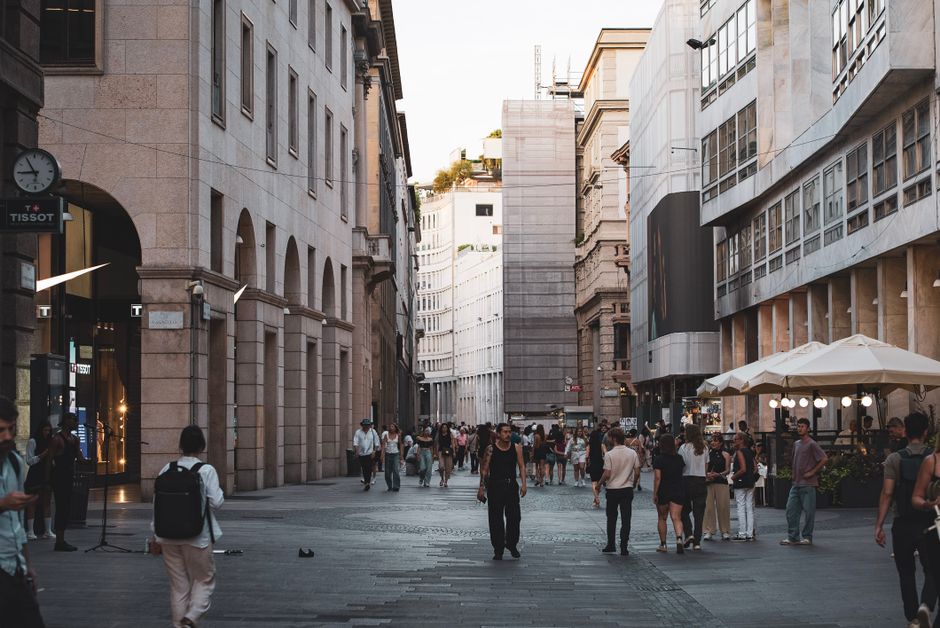
Milan's visitor economy is flashing green lights. Hotel occupancy in the city centre—particularly around the Duomo and along Via Montenapoleone—has climbed to 78 per cent year-to-date, up from 71 per cent in the same period two years ago. These figures matter because they reveal something deeper than mere tourism curiosity: they signal investor confidence in the city's structural appeal.
The economic indicators tell a compelling story. International arrivals to Milan rose 12 per cent in the first half of 2026 compared to the previous year, with average daily room rates in four and five-star properties climbing to €285 and €420 respectively. That price elasticity—the willingness of visitors to pay premium rates—suggests strong demand fundamentals rather than promotional discounting.
Where investment flows follow occupancy data. Over the past 18 months, hospitality operators and real estate funds have committed an estimated €480 million to new and refurbished properties across Milan's commercial districts. Luxury hotel groups have focused heavily on the Brera and Navigli neighbourhoods, where boutique conversions of historic palazzos attract high-net-worth travellers willing to spend €600-plus nightly. Meanwhile, mid-market operators are banking on proximity to Linate and Malpensa airports, betting on business travel recovery.
The Fiera Milano—the massive exhibition complex in the northwest—continues driving significant visitor throughput. Its calendar generates predictable demand waves. Yet what's noteworthy is diversification: cultural tourism to the Pinacoteca di Brera and Castello Sforzesco now accounts for 31 per cent of visitor spend, up from 24 per cent three years ago. This matters because cultural tourists typically stay longer and spend more on dining and retail than convention attendees.
Foreign direct investment flows reflect this optimism. American and Middle Eastern hospitality investors have acquired or are developing six significant properties in Milan's premium segments. Singapore-based Ascott Group recently expanded its Citadines serviced apartment portfolio here, targeting extended-stay business visitors—a segment showing 18 per cent annual growth.
The underlying metrics warrant scrutiny though. Transport infrastructure remains bottlenecked: Milan's metro system hasn't expanded meaningfully in years, creating friction for hotel guests navigating the city. Employment in tourism-related sectors has grown 7 per cent annually, but wage growth lags inflation, suggesting labour pressures ahead.
Still, the numbers point clearly in one direction. When global capital is willing to deploy hundreds of millions euros into a city's hospitality infrastructure, and when occupancy rates climb despite higher pricing, it signals investors see sustainable demand. Milan's visitor economy isn't riding a temporary wave—it's being rebuilt on solid fundamentals.
This article was compiled by AI from the sources linked above and screened before publishing. See our editorial standards.