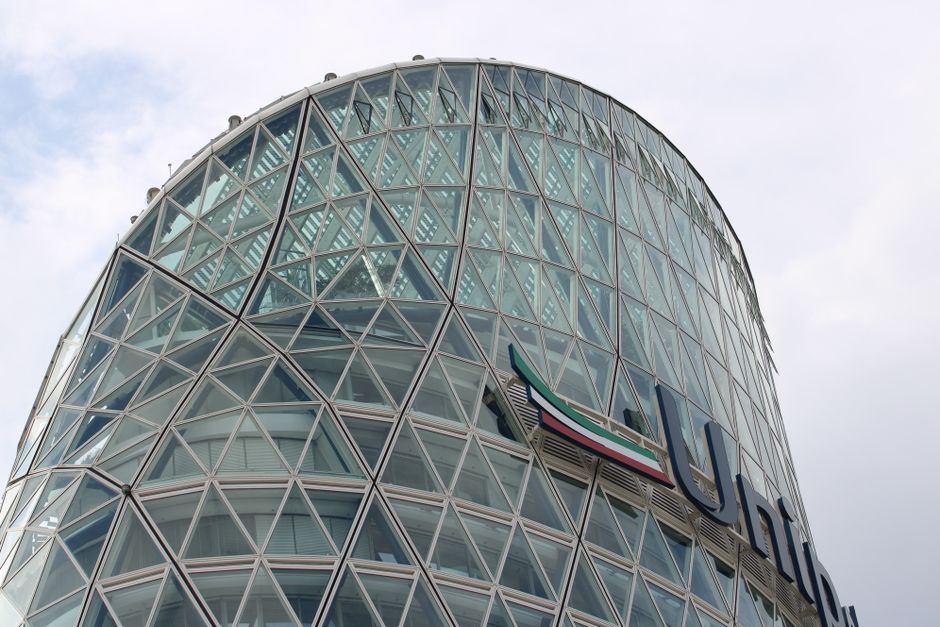
Milan's startup boom faces new headwinds: what founders need to know about shifting capital flows
As venture funding patterns change across Europe, Milan's innovation districts are recalibrating their playbook for 2026.
As venture funding patterns change across Europe, Milan's innovation districts are recalibrating their playbook for 2026.
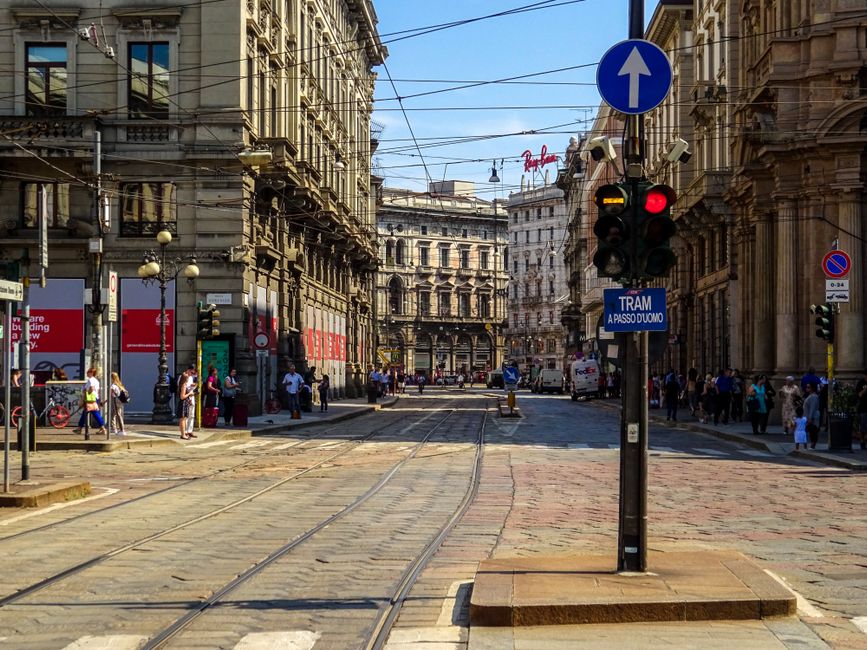
Milan's startup ecosystem is at an inflection point. After three years of explosive growth centred around the Navigli district and the emerging CityLife innovation hub, founders and investors are recalibrating expectations as capital flows become more selective and geographic dispersion accelerates across the continent.
The numbers tell the story. Through June 2026, early-stage funding rounds across Lombardy have dropped approximately 18% year-on-year, according to preliminary data from regional venture networks. Yet paradoxically, later-stage deals remain robust. Series B and C rounds in Milan are tracking slightly above 2025 levels, suggesting a widening gap between well-funded growth companies and cash-strapped pre-seed ventures.
"What we're seeing is a maturation," explains the prevailing sentiment across coworking spaces from Lambrate to Brera. The days of abundant capital for anything with an AI angle have passed. Instead, investors are focusing on sustainability fundamentals, clear market validation, and teams with proven execution track records.
For founders operating from spaces like BASE Milano on Via Bergognone or the growing cluster around Porta Romana, this recalibration demands sharper financial discipline. The median runway expectation has compressed to 20 months—down from 28 months in 2024. Marketing spend as a percentage of budgets is contracting, while hiring freezes are becoming routine until clear product-market fit emerges.
Office space dynamics are shifting too. While premium coworking in central Milan commands €500-700 monthly per desk—unchanged from last year—demand for longer-term, dedicated office space is softening. Several secondary-market neighbourhoods, including parts of Isola and the Garibaldi district, are seeing landlords offer more flexible terms and reduced rates to attract growing startups.
The bright spot lies in specialised verticals. Climate tech, advanced manufacturing solutions, and enterprise software targeting legacy industries remain attractive to capital-rich late-stage investors. Companies addressing supply chain resilience and regulatory compliance are particularly well-positioned—a direct response to recent geopolitical volatility affecting European trade.
Acceleration programmes and institutional support remain robust. The Politecnico di Milano continues anchoring the ecosystem, while the Chamber of Commerce's support for scaleups provides non-dilutive funding pathways that many overlooked during the growth-at-all-costs era.
For Milan's startup community, the message is clear: survival now depends on building sustainable unit economics, not just securing headlines. The era of hockey-stick growth projections has given way to disciplined, measured expansion. Founders who adapt fastest will emerge stronger when capital availability rebounds.
This article was compiled by AI from the sources linked above and screened before publishing. See our editorial standards.
How does this story make you feel?
Spread the word
About this article
Published by The Daily Milan
Daily brief
Free, in your inbox before 7am. Weekdays.
More in Business