Milan's business landscape is experiencing a seismic shift. Once dominated by fashion houses and manufacturing giants clustered around the historic centre, the city's talent market is now being pulled in new directions by an explosive growth in startups and innovation clusters that are reshaping everything from salaries to workplace culture.
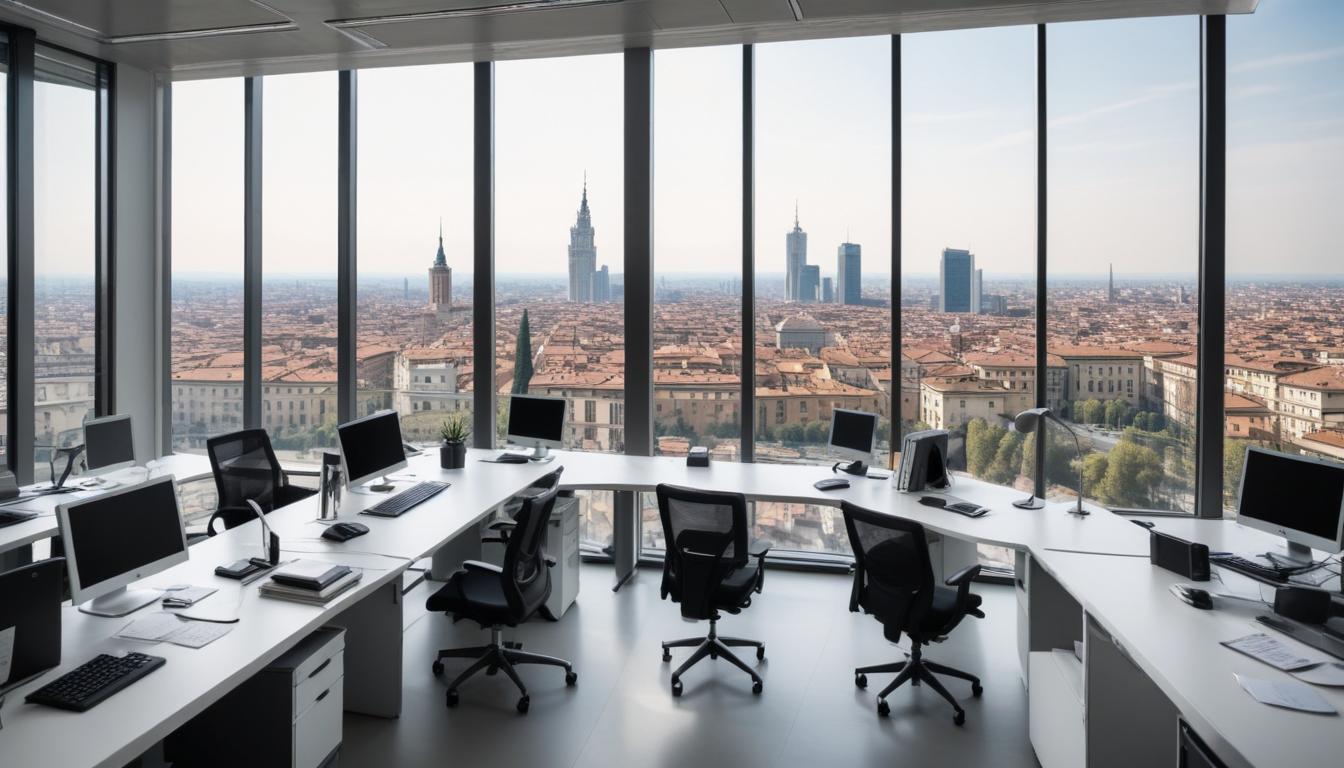
The numbers tell the story. Over the past three years, Milan has seen venture capital investment in early-stage tech companies increase by nearly 45%, with firms launching at a rate of approximately three per week across the wider metropolitan area. More significantly, these aren't bedroom operations—they're occupying prime real estate in neighbourhoods like Porta Nuova, where gleaming office complexes along Viale Filippetti now house dozens of AI, fintech, and mobility startups, and in the Navigli district, where converted warehouses have become makeshift innovation quarters attracting both founders and capital.
The ripple effects on Milan's job market are profound. Traditional employers—from Pirelli to major luxury conglomerates—are reporting increased difficulty retaining mid-level engineers, data scientists, and product managers. Salaries for senior software developers in Milan have risen approximately 22% since 2023, driven largely by startup competition offering equity packages alongside competitive wages. Entry-level positions that once commanded €28,000 annually now routinely offer €35,000 or more, particularly in the booming sectors of machine learning and cloud infrastructure.
Yet the disruption cuts deeper than compensation. The startup ecosystem is fundamentally changing what Milan's workforce values. Younger professionals increasingly prioritize flexibility, remote work options, and the chance to shape product strategy—amenities that traditional corporations are scrambling to provide. Co-working spaces like BASE Milano in the Lambrate neighbourhood have become de facto recruitment grounds, where networking events and demo days double as talent markets.
Neighbourhood economics are shifting too. Commercial rent around Porta Nuova and Brera has climbed 18% in two years as startups establish headquarters, pricing out smaller creative businesses while attracting ancillary services—design studios, legal consultancies, mentorship networks—that feed the ecosystem.
City administrators appear attentive. Recent initiatives to streamline business registration and expand high-speed internet infrastructure suggest Milan is positioning itself to compete with Berlin and Barcelona for European startup talent. Whether traditional employers can adapt quickly enough remains the open question.
This article was compiled by AI from the sources linked above and screened before publishing. See our editorial standards.