Milan's commercial property sector is experiencing a peculiar moment of tension. While the city remains Europe's undisputed financial powerhouse, international headwinds—from escalating US-Iran diplomatic brinkmanship to regional conflicts abroad—are creating unexpected ripples across the local office market.
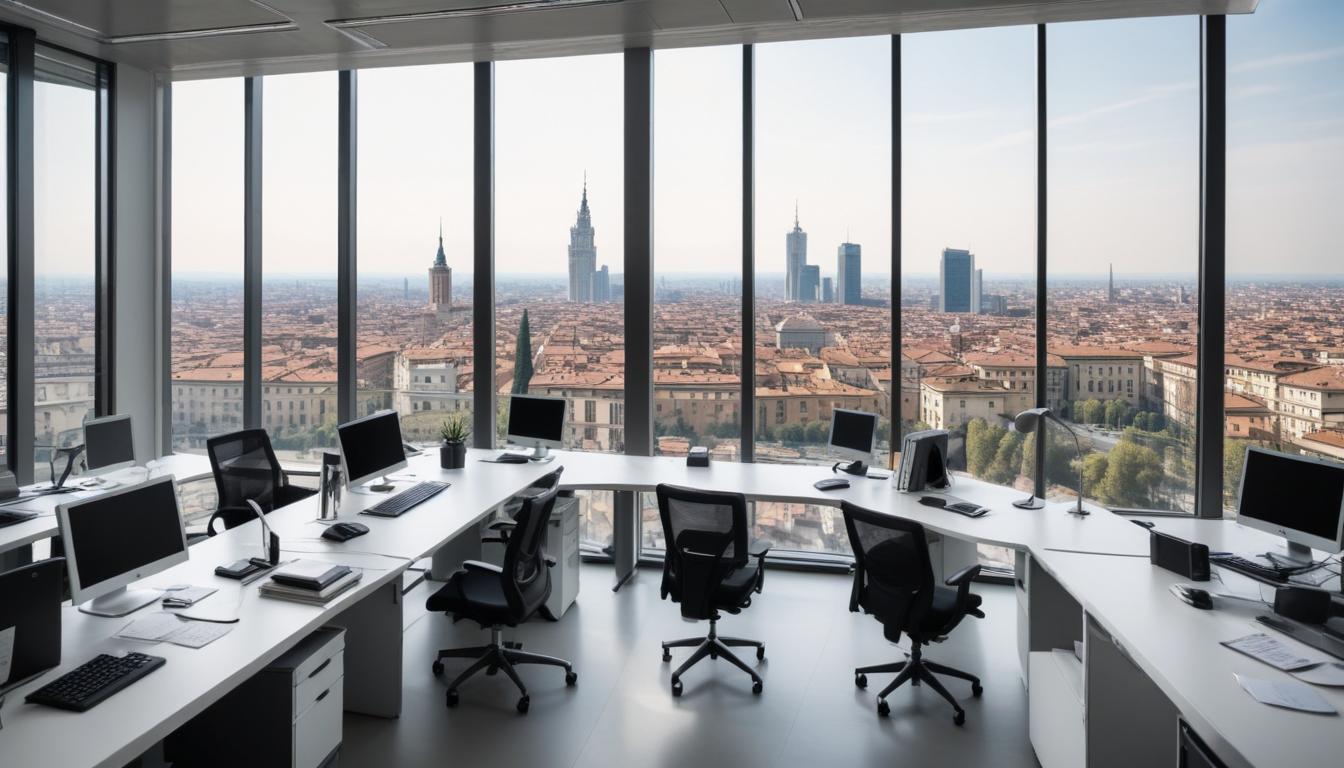
Prime office space in Milan's most coveted neighbourhoods tells the story. Asking rents in Brera and around Porta Nuova have plateaued at approximately €450-500 per square metre annually, a modest increase from last year. Yet beneath this surface calm, brokerage firms report a marked shift in tenant behaviour. Companies with significant Middle Eastern exposure or international supply chains are deferring expansion decisions. Some multinational firms are consolidating rather than growing their Milan footprints.
"We're seeing a flight to quality," explains the perspective of market analysts tracking commercial real estate in the Lombardy region. Firms increasingly prefer modern, flexible spaces with lower long-term commitments. The traditional lease model—five to ten years in established office districts—is losing appeal. Instead, serviced offices and co-working arrangements near Milano Centrale and in the Garibaldi district are attracting interest from companies hedging their bets on economic stability.
Currency volatility compounds the uncertainty. The euro's fluctuations against the dollar directly impact multinational companies calculating their Milan operational costs. For American and Asian firms, what seemed like an attractive Milan expansion six months ago now requires recalculation. Some are pausing decisions until clarity emerges on global trade and diplomatic relations.
The effect ripples outward. Secondary neighbourhoods like Lambrate and Tortona—increasingly popular as creative and tech hubs—are feeling less pressure from speculative investment. Meanwhile, established financial districts around Piazza Affari show surprising resilience, though cautiously rather than with confidence.
Local commercial agents report increased enquiries about lease flexibility clauses. Tenants want escape routes. Three-year leases with break options are gaining ground over traditional structures. This fundamentally alters how property owners and developers approach new projects along the Navigli or in emerging zones near Porta Romana.
For Milan's business community, the message is mixed. The city's structural advantages—financial expertise, design culture, manufacturing heritage—remain undiminished. Yet the global context has introduced a new variable into real estate calculations. Companies are asking harder questions before committing capital to Milan office space. Until international relations stabilise and currency markets find equilibrium, expect Milan's property market to remain in this holding pattern: fundamentally sound, but cautiously reserved.
This article was compiled by AI from the sources linked above and screened before publishing. See our editorial standards.