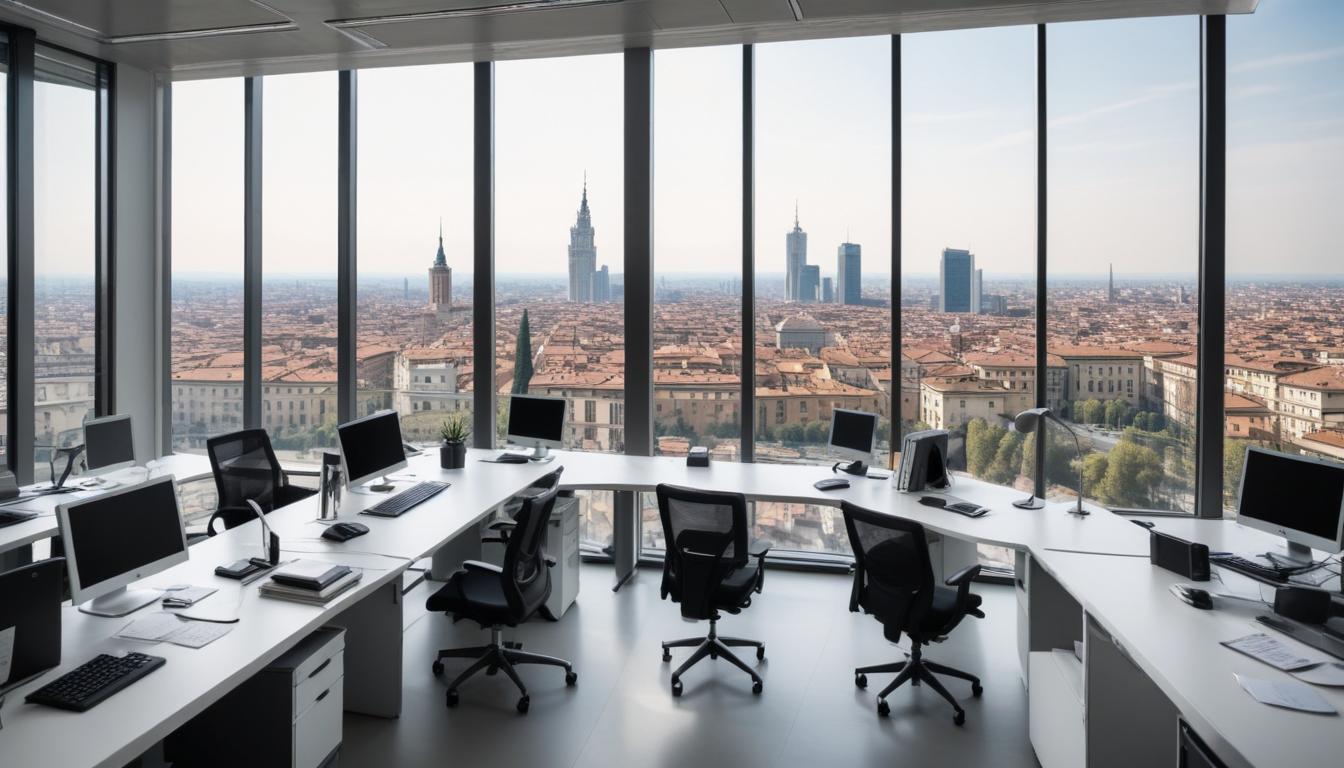
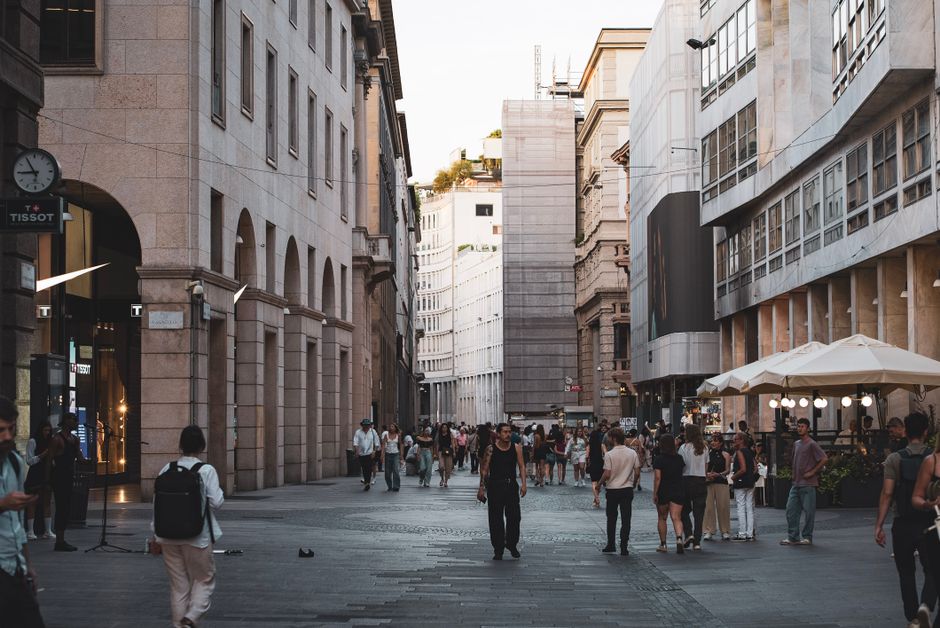
Walk down Via Gian Giacomo Mora on any Tuesday morning and you'll see the shift unfolding in real time. Between the artisanal cafés and vintage bookshops of Navigli, studio spaces that once housed single designers now cluster like startup incubators. The trend extends east into Porta Romana, where monthly rent for a 40-square-metre office has stabilized around €600–€800, making solo entrepreneurship feasible for creative professionals who might once have stayed tethered to corporate hierarchies.
Milan's micro-entrepreneur ecosystem has grown by an estimated 34 percent since 2023, according to data from the Camera di Commercio di Milano. What's shifting the city's talent market isn't simply the number of new ventures—it's the type of talent they're pulling out of traditional employment. Designers, copywriters, data analysts, and brand strategists are trading salaries for autonomy, reshaping how multinational corporations and established agencies source skilled workers.
"We're seeing a fundamental recalibration," explains a spokesperson for Confindustria Milano, which has tracked rising departures from mid-sized firms. "Five years ago, stability meant staying put. Today's high-calibre talent sees it as fragmentation. They want portfolio control."
The impact ripples through the city's job market in unexpected ways. Major employers—from fashion houses clustered around Via Montenapoleone to tech firms in the Garibaldi district—are responding by offering freelance partnership models and project-based contracts rather than permanent roles. Some have begun recruiting these micro-entrepreneurs as specialized contractors, effectively outsourcing entire departments. Others are scrambling to boost in-house prestige and creative autonomy to retain staff.
Spaces like Talent Garden in the Isola neighbourhood have capitalized on this shift, offering affordable co-working infrastructure alongside mentorship networks. The facility reported 62 percent occupancy growth in 2025, with members averaging 2.3 years before launching independent clients or moving to larger collaborative studios.
For Milan's broader employment landscape, the trend signals a departure from post-industrial hiring norms. The city's unemployment rate remains stable at 6.8 percent, but the composition of the market has tilted toward contract work and portfolio-driven hiring. Traditional HR departments are adapting recruitment language to emphasize creative autonomy and project variety—even for permanent positions.
As Venice prepares its tourist season and Rome guards its heritage, Milan's quieter transformation speaks to a deeper evolution: the city is increasingly shaped not by the institutions that employ talent, but by the individuals confident enough to employ themselves.
This article was compiled by AI from the sources linked above and screened before publishing. See our editorial standards.