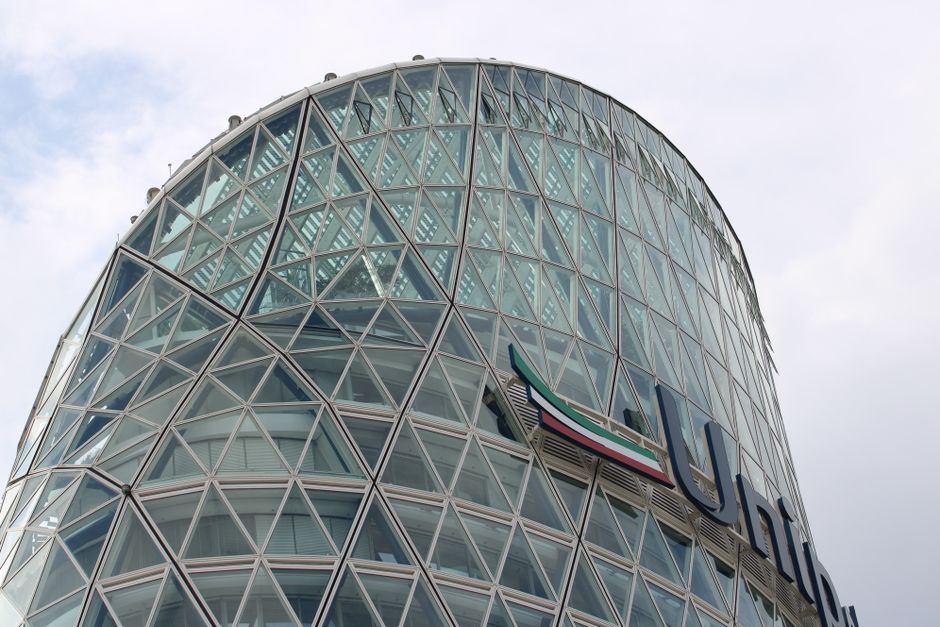
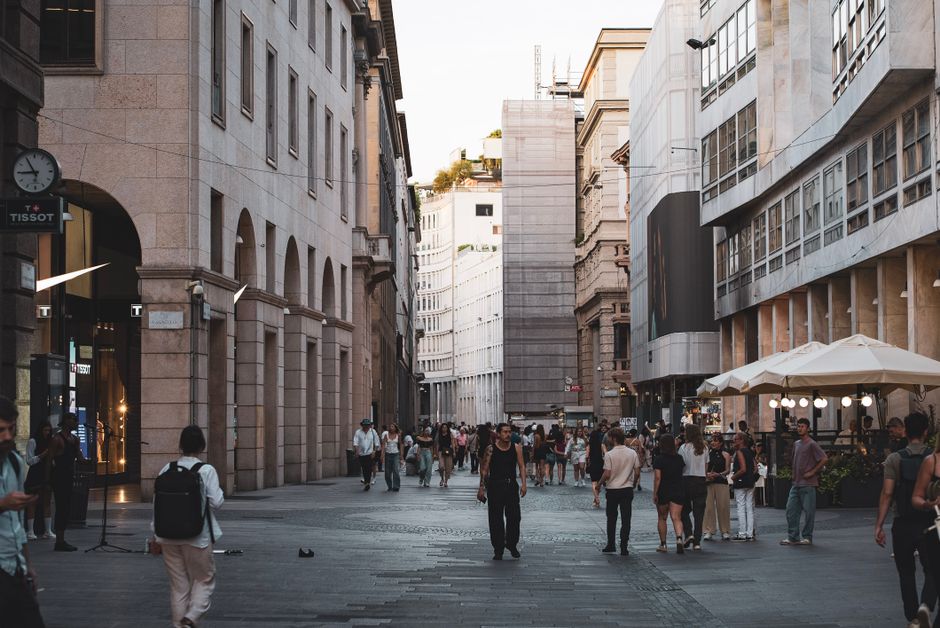
Milan's commercial property sector is navigating treacherous waters as geopolitical turbulence ripples through global markets, directly reshaping how international corporations approach their European headquarters and satellite offices. The convergence of Middle Eastern tensions, trade uncertainties, and political volatility is fundamentally altering tenant behaviour across the city's premium business zones—from Porta Nuova to the Garibaldi district.
Historically, Milan has commanded premium rental rates, with Grade A office space in the city centre reaching €450–€500 per square metre annually. Yet conversations with property managers and leasing agents reveal a more cautious market emerging. Companies with exposure to volatile sectors—particularly those with supply chains touching Iran, Pakistan, or unstable African regions—are either delaying expansion plans or consolidating space rather than seeking growth. A commercial brokerage active on Via Montenapoleone noted that energy sector clients, typically aggressive occupiers, have slowed their leasing activity by roughly 25 per cent compared to the same period last year.
The shift is most visible in Porta Nuova, where the Garibaldi-Repubblica area has traditionally attracted financial services and tech multinationals. Several major occupiers have renegotiated terms downward or opted for shorter lease commitments, hedging against boardroom reshuffles triggered by currency volatility and regulatory uncertainty. This trickles down: developers are now offering more flexibility on lease structures and tenant improvement allowances to secure lettings that might otherwise evaporate.
Conversely, a counterintuitive trend has emerged among firms seeking stability. Some multinational corporations are actually *increasing* their Milan footprint, viewing Italy as a relatively sheltered European location with strong infrastructure and an established professional ecosystem. This selective demand is concentrating activity in trophy assets: the renovated offices at City Life Milano and newly completed spaces near Centrale station are seeing steady interest from companies prioritising operational resilience.
Supply-side pressures add complexity. New completions in the Symbiocity and Varesine projects have added capacity, but cost inflation—materials, labour, compliance—means developers are selective about greenfield projects. Investment yields on prime office stock have compressed to around 3.5–4 per cent, making acquisition decisions increasingly sensitive to tenant credit quality and lease durability.
For Milan's business community, the message is clear: global disorder creates local friction. Landlords must adapt or watch their assets underperform. Smart money is already shifting strategy, emphasising flexibility, mixed-use appeal, and tenant diversification across sectors less exposed to geopolitical whiplash. The Milan office market remains fundamentally sound, but the days of straightforward expansion and premium pricing without flexibility are—for now—behind us.
This article was compiled by AI from the sources linked above and screened before publishing. See our editorial standards.