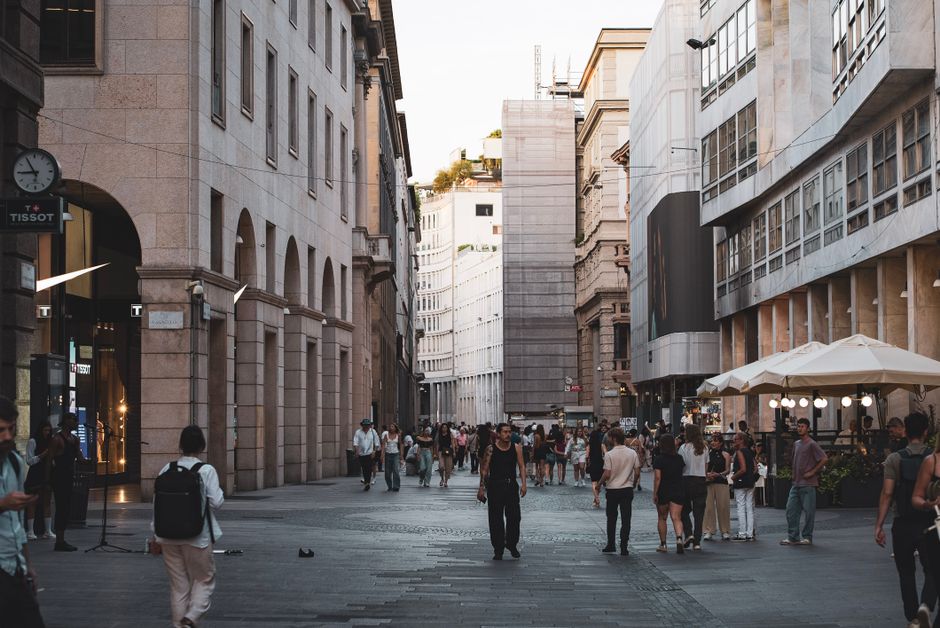
Walking through Milan's business quarters these days feels different. Crane shadows lengthen over Porta Nuova. Scaffolding wraps historic facades along Via Torino. The commercial property market—long the domain of investors and developers—is now directly reshaping where ordinary Milanesi live, work, and spend leisure time.
The numbers tell the story. Office space rental rates in central Milan have climbed approximately 8-12% over the past eighteen months, according to property sector analysts tracking the Quadrilatero d'Oro and surrounding business corridors. This isn't merely an investor concern. When commercial landlords invest heavily in upgrading older buildings, residential tenants in mixed-use neighbourhoods frequently discover their own rents climbing in tandem.
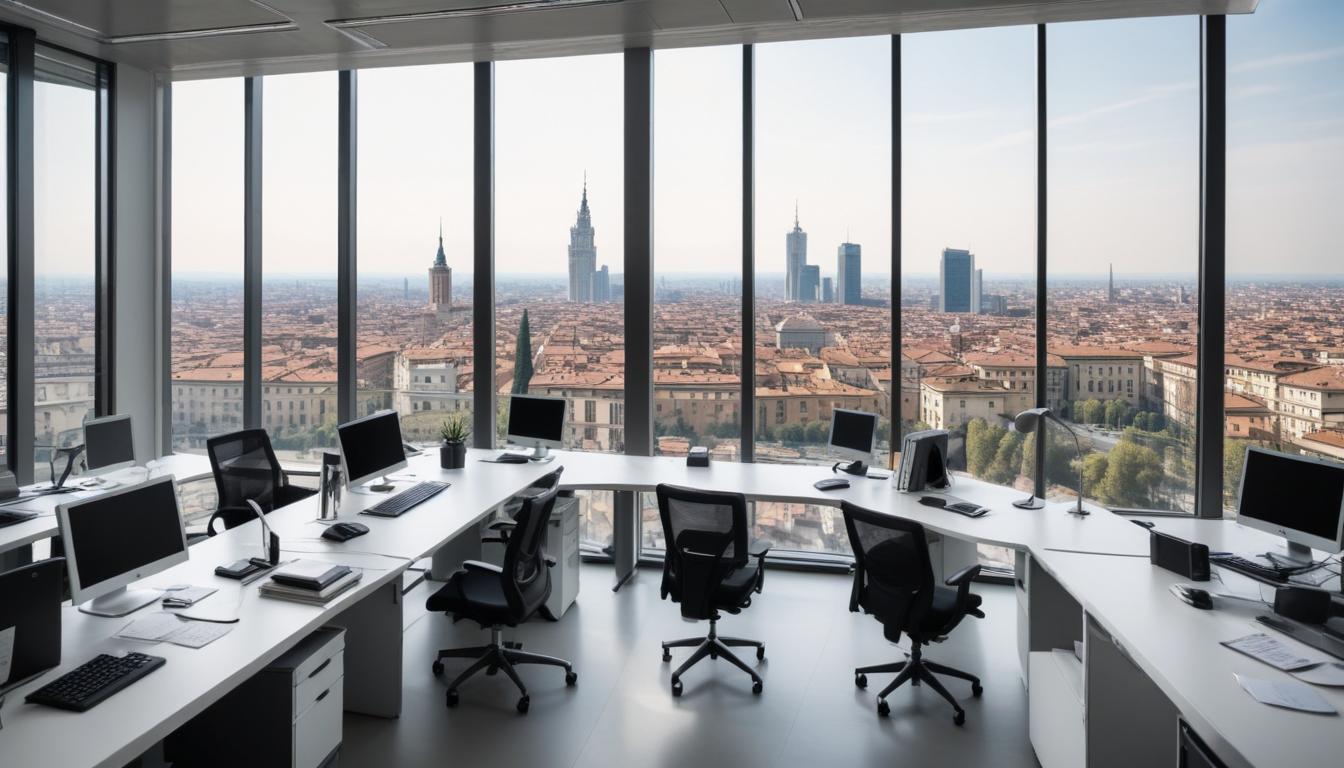
The conversion trend is particularly visible in Brera and the Navigli district, where ground-floor retail and mid-level office spaces are being reconfigured for modern corporate tenants—companies relocating from suburban business parks back into the city centre. This "urban density" preference among tech firms, consulting houses, and creative agencies has made previously quiet residential blocks more congested, noisier, and more expensive.
What should Milanese residents actually understand? First, supply matters locally. When a historic palazzo on Via Montenapoleone or near Centrale Station gets converted from mixed residential-commercial use into full office configuration, that reduces housing stock in already tight neighbourhoods. Second, gentrification accelerates unevenly. Areas like Porta Garibaldi, which saw substantial office development five years ago, now command rental premiums that pushed out long-term residents. Newer conversion zones—parts of Lambrate or further reaches along the metro lines—may follow the same pattern.
The broader context is Milan's post-pandemic restructuring. Major companies downsized remote-work arrangements, yet many consolidated into fewer, higher-quality central locations rather than returning to sprawling suburban campuses. This concentration creates demand pressure on real estate across the board.
For residents, the practical upshot: if you're renting or considering purchasing in inner Milan, factor in that your neighbourhood's character and cost profile may shift significantly within five years. Commercial development doesn't happen in isolation. Improved transport infrastructure, new restaurants and services, and increased foot traffic can enhance daily life—but they simultaneously erode affordability and quiet residential character that initially attracted people to those areas.
The Milan commercial property market isn't separate from your life on the street. Understanding these shifts helps residents make clearer decisions about where and how long they can realistically remain in neighbourhoods they've called home.
This article was compiled by AI from the sources linked above and screened before publishing. See our editorial standards.