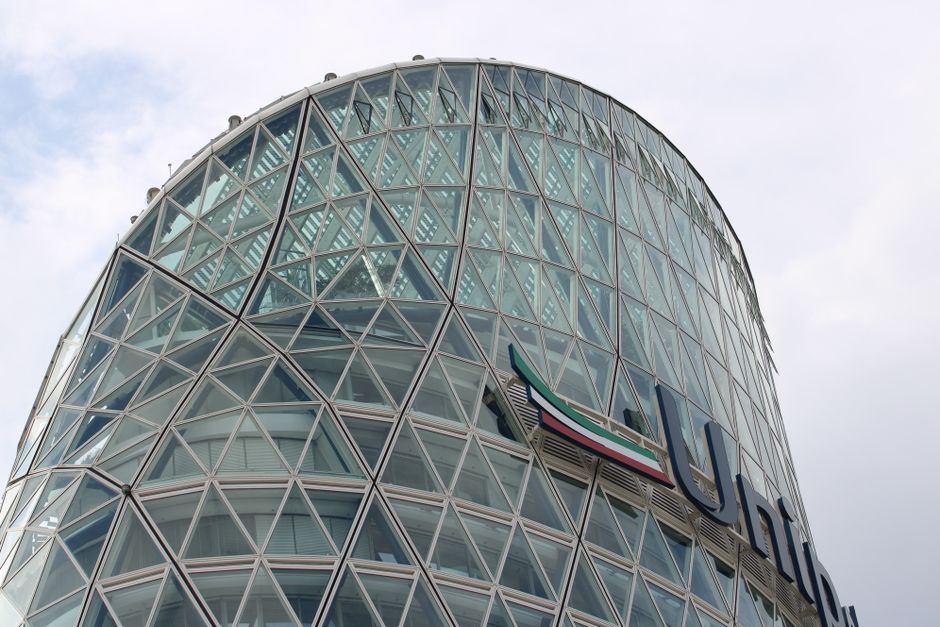
Milan's startup boom faces headwinds as global instability reshapes investor priorities
Geopolitical tensions and economic uncertainty are forcing the city's innovation district to recalibrate its pitch to international venture capital.
Geopolitical tensions and economic uncertainty are forcing the city's innovation district to recalibrate its pitch to international venture capital.
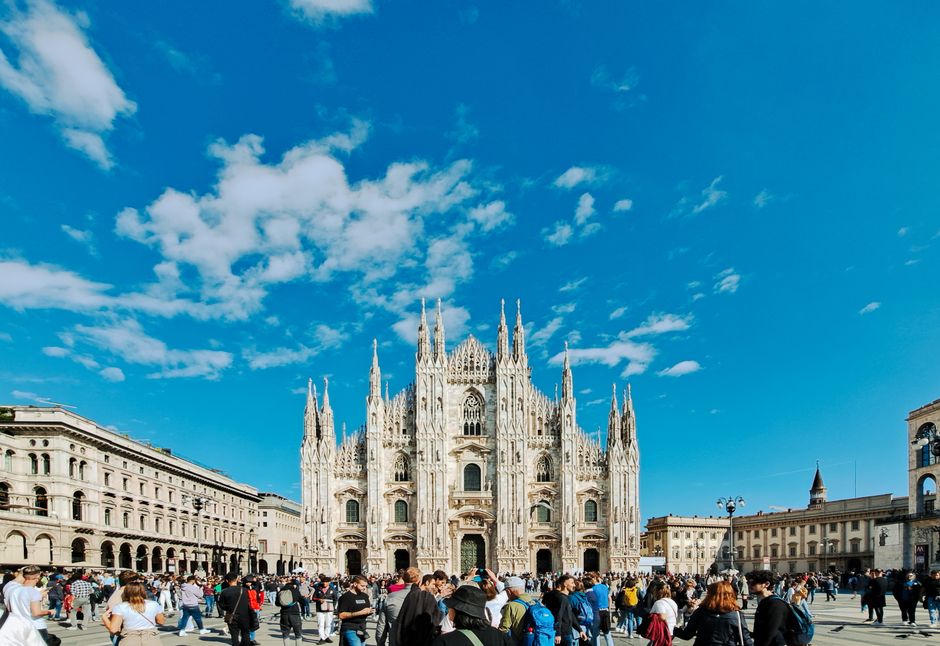
Milan's Navigli district has established itself as Italy's undisputed innovation hub over the past five years, with nearly €2.3 billion invested in local startups since 2021. Yet the momentum is visibly shifting as geopolitical volatility and regional instability reshape how international investors evaluate risk.
The impact is already visible along the corridors of Polihub and the emerging tech spaces around Via Tortona, where founders report longer due diligence cycles and increased scrutiny of supply chain resilience. Several venture firms that maintained Milan offices have begun redirecting capital toward safer havens in Northern Europe, citing unpredictability in Middle Eastern markets and supply chain fragmentation as primary concerns.
"We're seeing investor meetings that used to focus entirely on our technology and market opportunity now include thirty-minute discussions about geopolitical exposure," says one founder working from the Boost Hub co-working space near Centrale. The shift reflects a broader pattern: as tensions escalate across multiple regions simultaneously, Milan-based companies reliant on global supply networks face heightened scrutiny.
This matters acutely for Milan's ecosystem. The city has positioned itself as a bridge between European tech innovation and Mediterranean markets. That advantage now carries friction. Startups in logistics, fintech, and manufacturing technology—sectors that collectively represent roughly 40 percent of Milan's startup funding—are finding that their international exposure, once a selling point, now requires elaborate risk mitigation strategies.
Some institutional investors remain committed. Italiano Ventures and other locally-rooted firms continue backing companies with strong European anchoring. Yet the cooling is unmistakable. Deal velocity has slowed marginally, and valuations for later-stage rounds show more conservative multiples than comparable companies in Switzerland or France.
The bright spot: companies that can demonstrate supply chain sovereignty or that serve primarily European markets are gaining premium valuations. This is already reshaping pitch strategies at venues like the Italian Tech Week. Founders increasingly emphasize geographic diversification and European-first expansion strategies—a recalibration that, ironically, strengthens Milan's position as a European tech capital rather than a global one.
The paradox for policymakers is uncomfortable. Milan's competitiveness depends partly on its appeal as a globally connected city. Yet current conditions reward companies that minimize that exposure. How the ecosystem navigates this tension over the next eighteen months will determine whether Milan consolidates as Europe's second-tier tech hub or remains a truly international player.
This article was compiled by AI from the sources linked above and screened before publishing. See our editorial standards.
How does this story make you feel?
Spread the word
About this article
Published by The Daily Milan
Daily brief
Free, in your inbox before 7am. Weekdays.
More in Business