Milan's Job Market Shifts Sharply: What Businesses Must Know Right Now
As tech talent reshapes employment across the city's financial district and beyond, Milan's employers face a critical skills shortage and wage pressure.
As tech talent reshapes employment across the city's financial district and beyond, Milan's employers face a critical skills shortage and wage pressure.
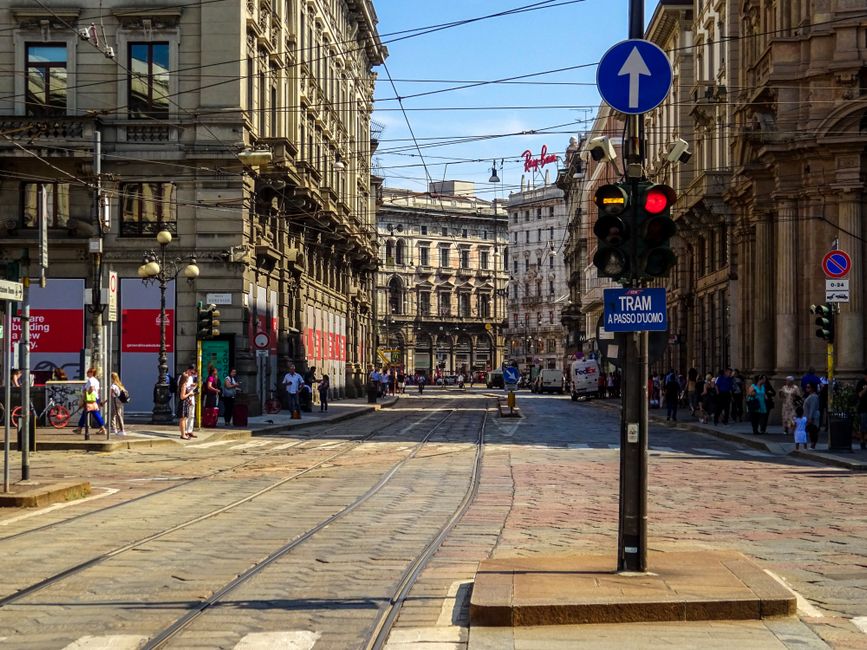
Milan's labour market is undergoing a fundamental realignment. With youth unemployment falling to 18.2 per cent—down from 24 per cent two years ago—the city's traditional employer base is competing fiercely for talent in an increasingly polarised job landscape.
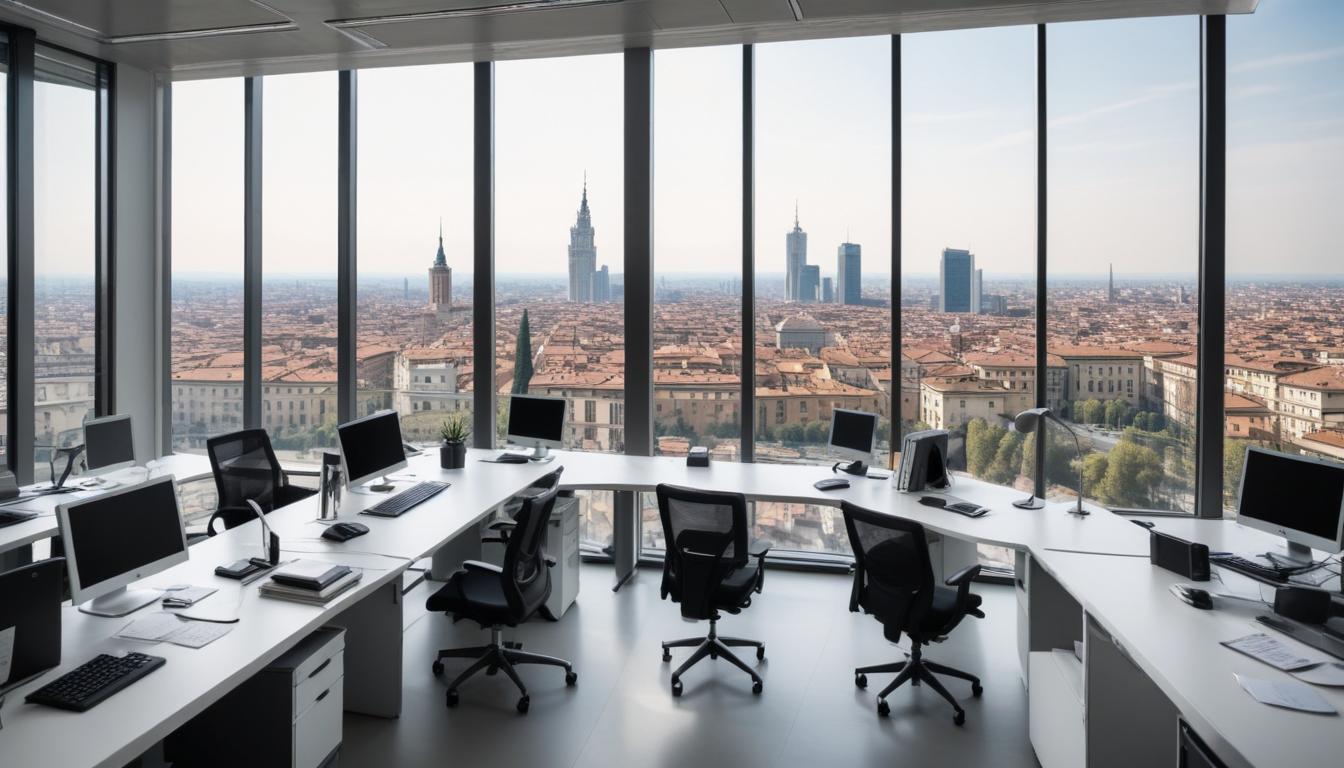
The transformation is most visible in the Porta Nuova district, where finance and technology companies are clustering around upgraded office parks. Yet the dynamic reveals a troubling split: while entry-level roles in tech and digital marketing are proliferating, mid-skilled manufacturing and administrative positions continue to contract. Companies along the Navigli have reported difficulty filling warehouse and logistics roles, even as salaries climb 8 to 12 per cent year-on-year for software developers and data specialists.
Key figures underscore the tension. The Chamber of Commerce reports that firms in the Brera and Garibaldi areas are now offering starting salaries of €28,000 to €32,000 for graduates—a significant jump from €24,000 in 2023. Yet average rents in business-friendly neighbourhoods have risen alongside wages, with serviced offices near Centrale station now commanding €450 to €550 per square metre annually.
Recruitment agencies across Milan's central business district report that 67 per cent of companies are currently seeking remote or hybrid working models to expand their talent pool beyond the Lombardy region. This shift has cooled commercial real estate demand but intensified competition for premium meeting spaces—venues like those around Piazza Gae Aulenti now book months in advance.
The hospitality and retail sectors face particular pressure. With tourism recovering to 2019 levels, hotels and restaurants are struggling to attract permanent kitchen and front-of-house staff, forcing many establishments in the historic centre to reduce hours or consolidate operations.
For business leaders, the message is clear: attracting talent now requires more than competitive salaries. Companies reporting the strongest recruitment success have implemented flexible scheduling, professional development budgets, and remote work flexibility—benefits that cost less than wage inflation but resonate strongly with candidates. Several mid-sized firms in the Lambrate district have pioneered four-day working weeks, reporting improved retention and productivity metrics.
The broader picture suggests Milan's economy is transitioning toward higher-skill, higher-wage employment. Businesses that adapt quickly—investing in training, modernising work conditions, and building geographically distributed teams—will navigate the shift successfully. Those clinging to traditional hiring practices risk being frozen out of a tightening talent market.
This article was compiled by AI from the sources linked above and screened before publishing. See our editorial standards.
How does this story make you feel?
Spread the word
About this article
Published by The Daily Milan
Daily brief
Free, in your inbox before 7am. Weekdays.
More in Business