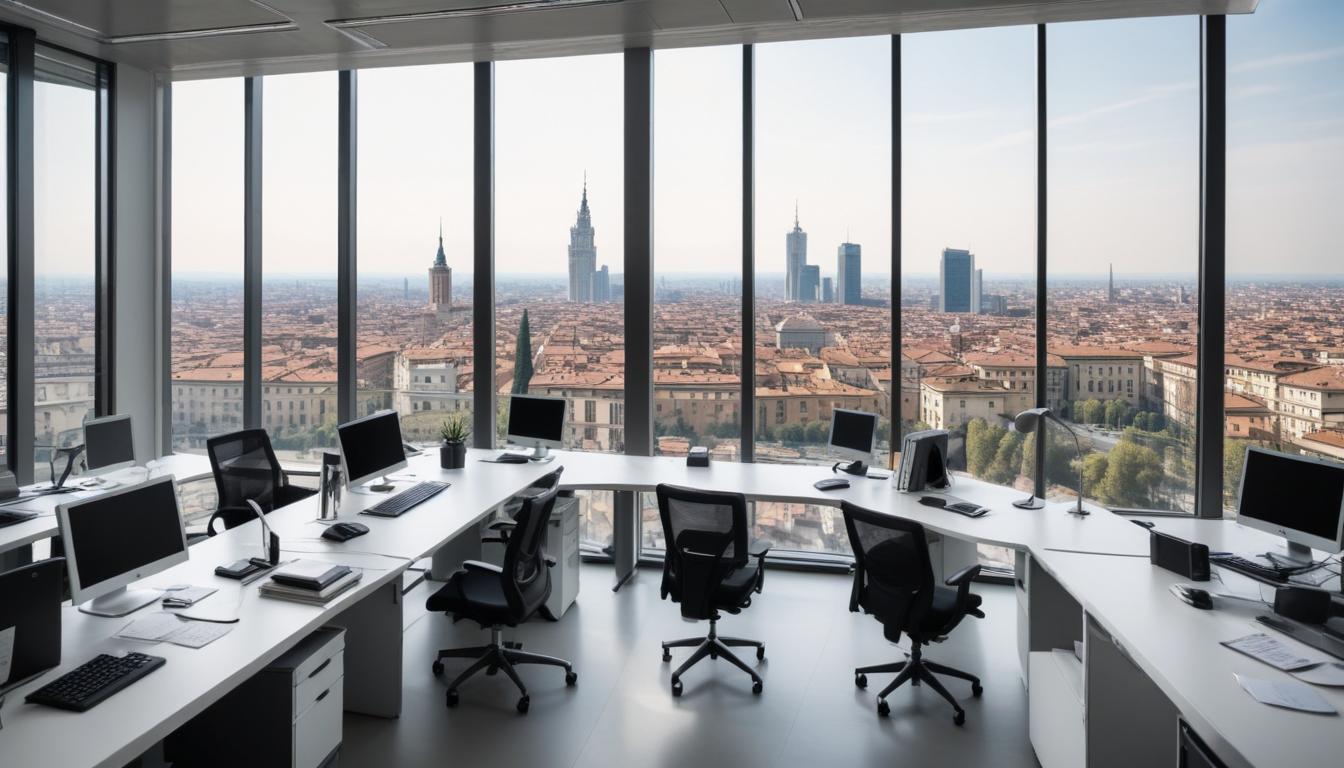
Walk through the gleaming office parks near Porta Nuova and you'll notice the want ads are getting more urgent. Milan's business district is grappling with a talent shortage that reflects a much larger global story: the reshuffling of international trade networks is fundamentally remaking who companies need to hire—and how much they're willing to pay.
The shift is particularly visible in the Isola neighbourhood, where logistics and import-export firms cluster around the rail connections that feed Europe's supply chains. According to staffing agencies working the Milan market, positions in supply chain management and customs compliance have seen salary increases of 12 to 18 percent over the past eighteen months. Entry-level supply chain coordinators who commanded €28,000 two years ago now fetch €32,000 to €35,000. Senior roles pay substantially more.
The driving force? Companies are frantically diversifying sourcing to reduce risk, shifting production facilities, and renegotiating trade relationships—all at once. This has created an acute need for professionals who understand customs regulations, geopolitical risk assessment, and alternative logistics routing. Milan, as Italy's financial and industrial nerve centre, has become a magnet for these roles.
"We're seeing firms either expand their trade compliance teams or create entirely new roles," explains an operations director at a major logistics hub near the Porta Garibaldi station. "A year ago, that function was often outsourced or squeezed into existing teams. Now it's core."
The competition is fierce. German and Swiss multinational corporations with offices in the Brera district and along Via Montenapoleone are actively recruiting Italian and Spanish speakers for their Milan hubs. At the same time, ambitious startups incubated in spaces like Base Milano are offering equity sweeteners to lure experienced professionals away from traditional firms.
For Milan's workforce, the timing is mixed. Opportunities abound for those with relevant expertise, but the rapid transformation is also creating pockets of instability. Smaller family-owned trading companies, particularly in the textile and fashion sectors south of the city centre, are struggling to match larger competitors' salary offers.
Universities and professional training organisations across Lombardy are racing to expand supply chain and logistics curricula. Yet industry insiders suggest the gap between available talent and demand will persist for at least another two years. For Milan's ambitious professionals, that's good news. For employers, the hunt goes on.
This article was compiled by AI from the sources linked above and screened before publishing. See our editorial standards.