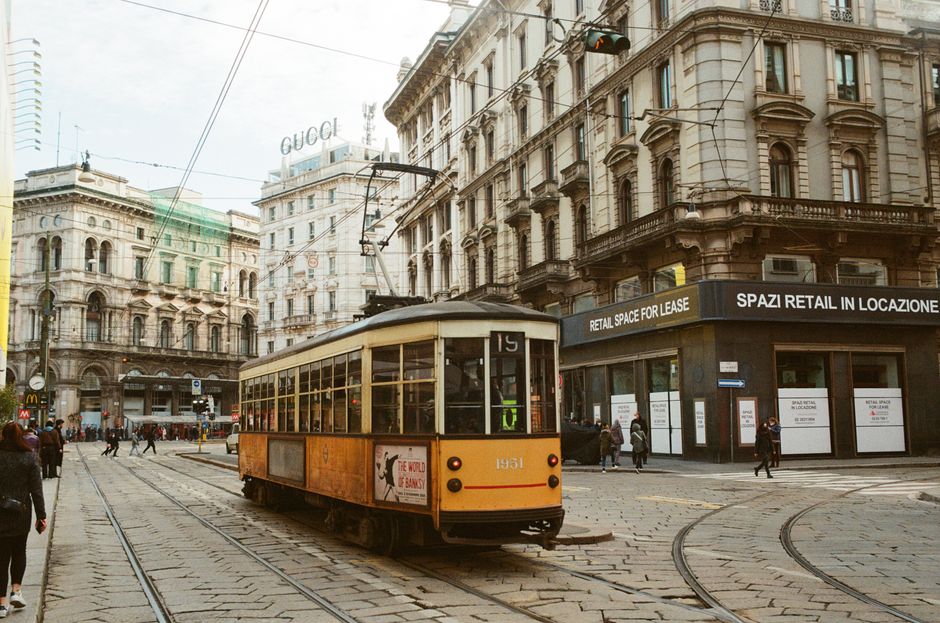
Walk down Via Torino on a Monday afternoon and you'll notice something Milan's small business owners have been grappling with all year: the high street is no longer uniformly bustling. Instead, consumer behaviour has fractured into distinct patterns that demand fresh strategic thinking from entrepreneurs who survived the post-pandemic reset.
Data from the Milan Chamber of Commerce shows that retail foot traffic has grown 3.2% year-on-year, but the distribution is uneven. The Duomo district and Quadrilatero d'Oro continue to draw tourists and affluent shoppers, while independent boutiques in Navigli and Brera report stronger performance than those along traditionally heavier-trafficked corridors like Corso Buenos Aires. This shift reflects a broader trend: Milan's consumers—both locals and visitors—are increasingly seeking curated, experience-driven shopping in character-rich neighbourhoods rather than conventional commercial strips.
Pricing pressure remains acute. Rental costs in prime locations have stabilised around €3,500–€5,000 monthly for 80-square-metre retail spaces, but labour costs continue climbing. Entry-level retail positions now command €1,600–€1,800 per month, up 6% since 2024, squeezing margins for businesses operating on traditional markup models.
The winners are adapting swiftly. Many independent retailers in Zona Tortona and around Porta Romana have invested in hybrid retail models: streamlined in-store experiences paired with robust e-commerce and Instagram-driven sales. Local business networks like Assolombarda report that small retailers who integrated digital ordering systems before the pandemic have seen online revenue grow 18% on average this half-year.
Inventory management has become critical. Supply chain volatility remains moderate but unpredictable—electronics and imported fashion still face occasional delays—making just-in-time ordering risky for smaller operators who lack negotiating power with suppliers. Those diversifying suppliers or focusing on local artisanal goods report better predictability.
Consumer sentiment is cautiously optimistic but cautious with discretionary spending. Milan's unemployment sits at 6.1%, slightly below the national average, yet shoppers are browsing longer and converting more selectively. Discounting remains tempting but dangerous; businesses reporting the healthiest margins are those emphasising quality, sustainability credentials, and unique positioning rather than competing on price.
For entrepreneurs planning launches or pivots, the message is clear: neighbourhood selection matters more than ever. Understand your target customer's geography and digital habits. Invest in staff training—skilled sales assistants justify higher wages through conversion rates. And build flexibility into your model; the days of static retail are over.
This article was compiled by AI from the sources linked above and screened before publishing. See our editorial standards.