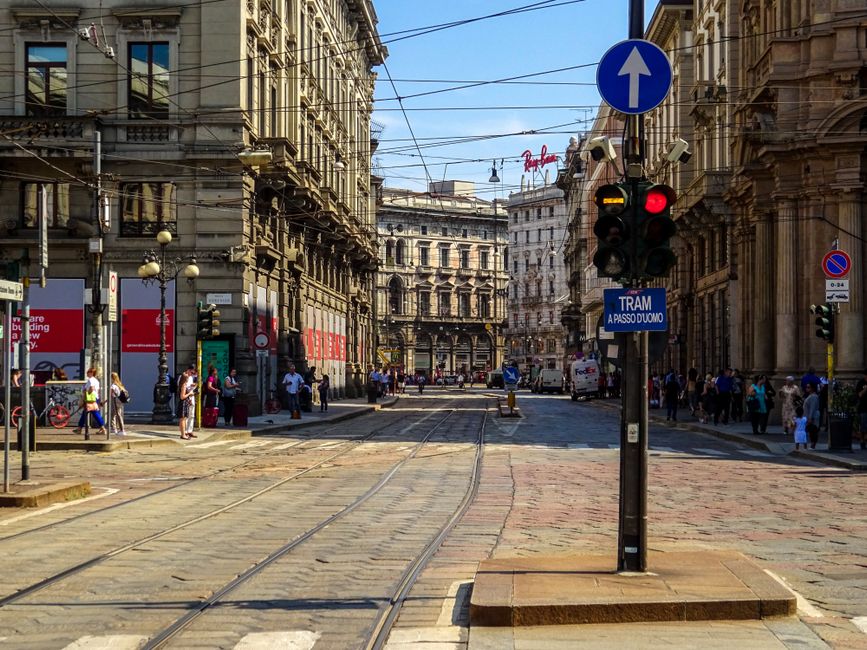
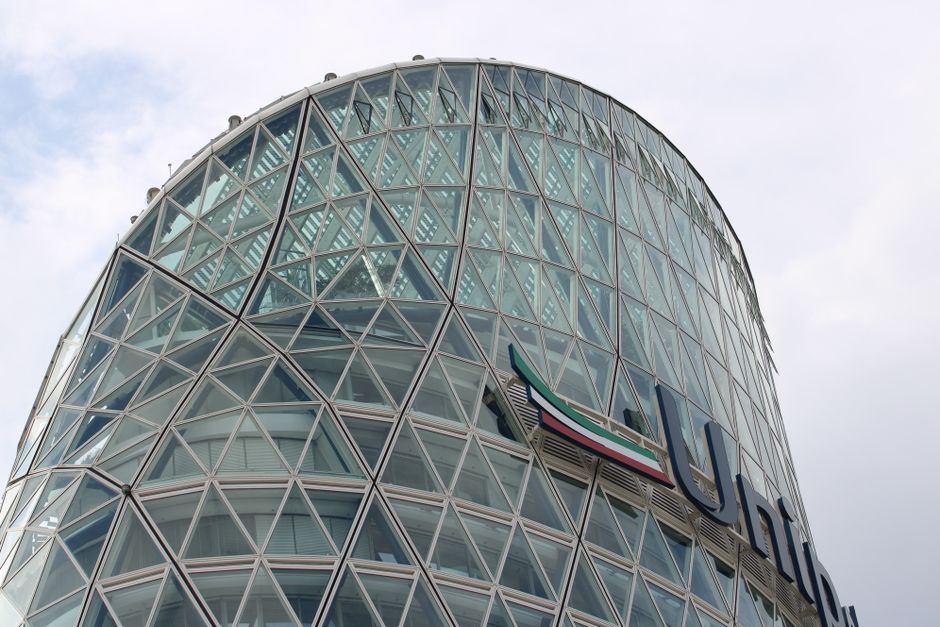
The corridors of Milan's financial quarter along Via Montenapoleone tell a story of transformation. Traditional fashion houses, historically reliant on outsourced manufacturing in Asia, are now establishing in-house supply chain operations—and they're desperately hunting for skilled workers to manage them.
The shift reflects a broader recalibration of global trade. Companies operating from Milan's business hubs—from the Porta Nuova district to the emerging innovation zones around Lambrate—are rethinking decades of offshoring strategy. Geopolitical tensions, tariff volatility, and supply chain vulnerabilities exposed during recent crises have made proximity to European markets newly attractive.
Employment agencies across the city report surging demand for trade compliance officers, customs specialists, and supply chain managers. Salaries for these roles have jumped 18-22% in the past eighteen months, according to recruitment firm Randstad Italia's latest Milan market report. Entry-level logistics coordinators now command €28,000-€32,000 annually—a significant premium compared to 2024.
"We're seeing multinational companies establish regional hubs here specifically to manage EU-UK-Middle East trade flows," says the Milan Chamber of Commerce, which has fielded 340 inquiries from foreign firms seeking operational bases since January. The chamber's business matchmaking events, held monthly at Palazzo Clerici, are now oversubscribed.
The talent crunch is acute. Milan's universities—Bocconi, Politecnico, and Università Cattolica—graduate roughly 8,000 business and engineering students annually, yet demand for trade and logistics professionals now outpaces supply. Language skills are non-negotiable: fluency in English, Mandarin, and Arabic has become standard expectation rather than nice-to-have.
Real estate in Porta Romana and the Navigli district has seen modest upticks as relocating trade finance professionals establish themselves. Coworking spaces near Centrale station report 35% higher occupancy rates among supply chain startup teams compared to 2024.
However, challenges persist. Italy's relatively rigid labour laws and high employer contributions make rapid hiring difficult. Several American and Asian trading firms have chosen alternative European bases—Rotterdam, Hamburg, or Hamburg—citing administrative complexity.
For Milan's traditional business ecosystem, the realignment offers opportunity. Companies investing in local logistics infrastructure and talent development position themselves advantageously in an era when supply chain resilience trumps pure cost optimisation. The city's centuries-old mercantile heritage, dormant through decades of offshoring, may finally find contemporary relevance.
This article was compiled by AI from the sources linked above and screened before publishing. See our editorial standards.