Milan's Food Scene Decoded: What Every Visitor Needs to Know and Where to Go
From historic aperitivo traditions to Michelin-starred innovation, here's your essential guide to eating and drinking like a true Milanese.
From historic aperitivo traditions to Michelin-starred innovation, here's your essential guide to eating and drinking like a true Milanese.
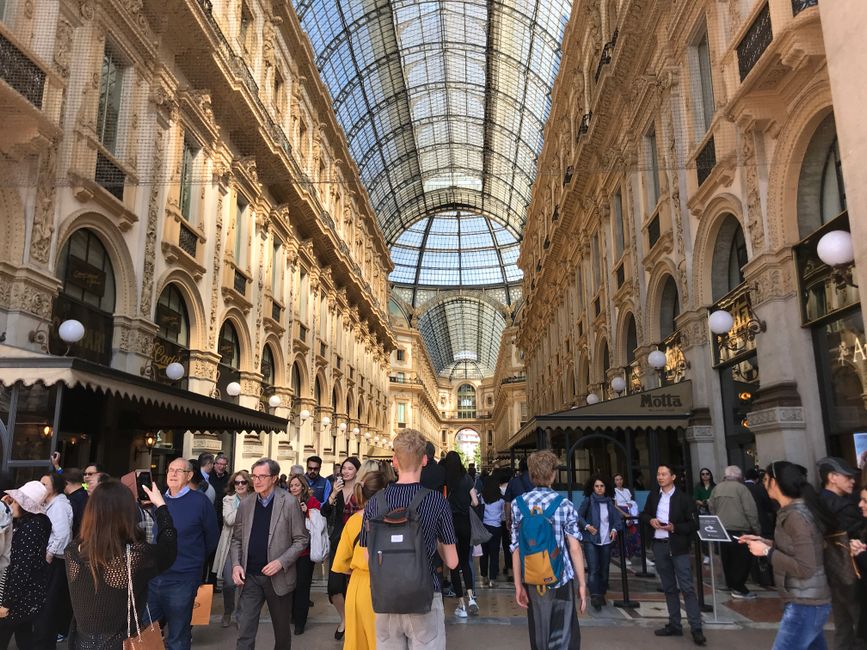
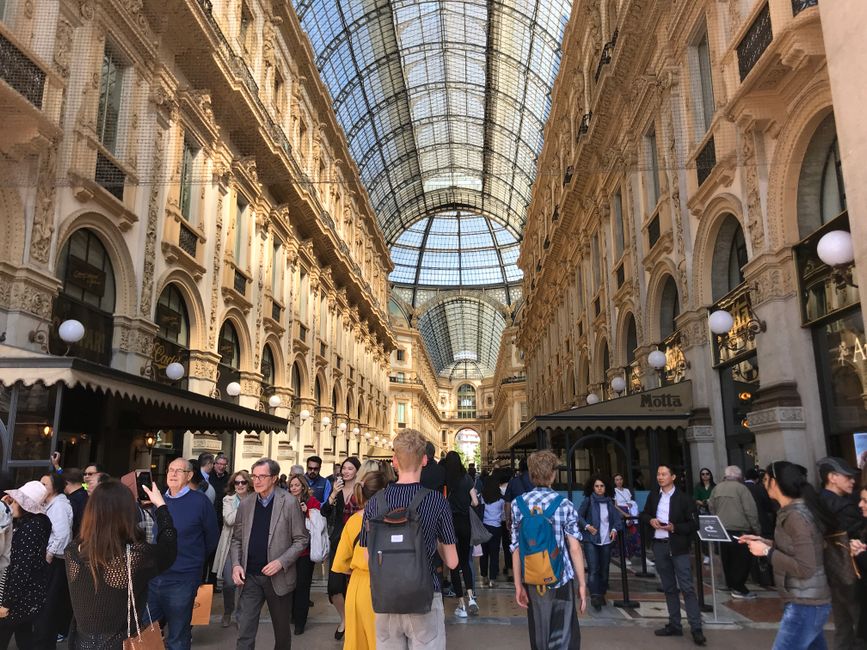
Milan's relationship with food is less about theatre and more about ritual. Unlike Rome or Florence, where dining feels like an event, the Milanese approach eating with understated sophistication—and visitors who understand this unspoken code will navigate the city's restaurant and bar culture far more successfully.
Start with aperitivo, Milan's most sacred social institution. Between 6 and 8 p.m., locals gather at bars across the Navigli district and around Piazza Gae Aulenti for a Negroni or Spritz paired with complimentary snacks. This isn't just a drink; it's the city's evening rhythm. Budget €8-12 for a cocktail that comes with olives, cheese, and bruschetta. Skip the touristy joints near the Duomo and head instead to Porta Ticinese, where neighbourhood bars like those lining the Navigli canals offer authenticity without pretension.
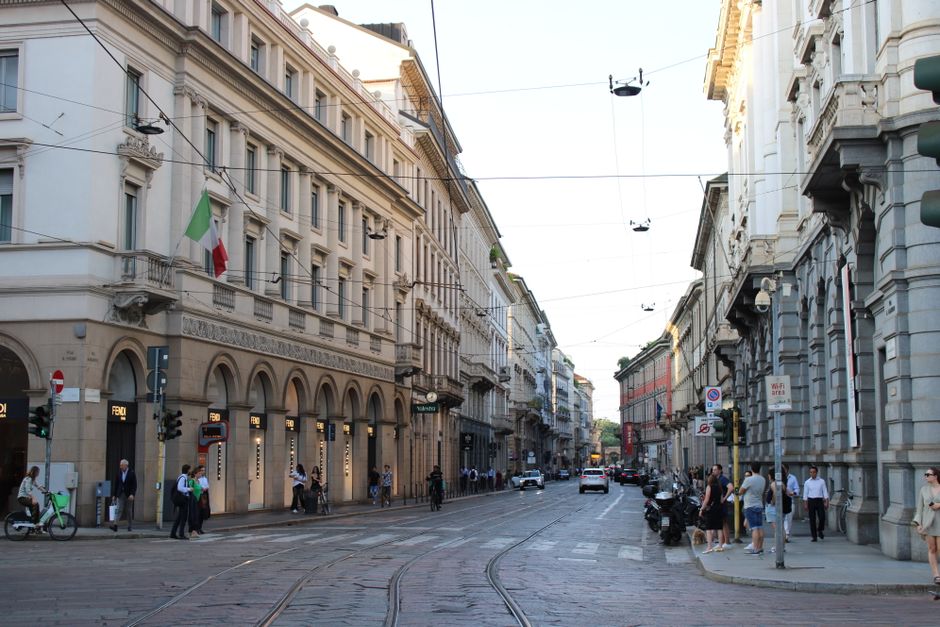
For dining, understand Milan's two-tier system. Traditional osterie in Brera and Sant'Ambrogio serve regional Lombard classics—risotto alla milanese, ossobuco, panettone-based desserts—at €15-25 per main course. These are where you'll find families eating after work, not Instagram influencers. Conversely, the city boasts 13 Michelin-starred restaurants, concentrated around Montenapoleone and the fashion district. Fine dining here demands reservations weeks in advance and €150-300 per person, but represents some of Europe's most innovative cooking.
The middle ground—contemporary, locally-focused restaurants with reasonable prices—thrives in Isola and Lambrate, Milan's increasingly creative neighbourhoods. Here, young chefs reinterpret Lombard traditions with seasonal vegetables and artisanal producers, with mains around €18-28.
Practical essentials: lunch (pranzo) runs 12-2 p.m.; dinner (cena) starts at 7:30 p.m. Restaurants rarely accept walk-ins during peak hours. Water is never free—expect to pay €2-4 for a bottle. Tipping is discretionary; locals round up or add 5-10 per cent for exceptional service. Most traditional places close Sundays and Mondays.
For aperitivo culture and neighbourhood discovery, the Navigli district remains unmissable despite its popularity. For serious gastronomy, book ahead. For authentic local eating, seek out family-run trattorias in Sant'Ambrogio and Porta Romana, where the Milanese actually eat. The city's food identity isn't about flash—it's about knowing where the real life happens, and joining in without ceremony.
This article was compiled by AI from the sources linked above and screened before publishing. See our editorial standards.
How does this story make you feel?
Spread the word
About this article
Published by The Daily Milan
Daily brief
Free, in your inbox before 7am. Weekdays.
More in culture