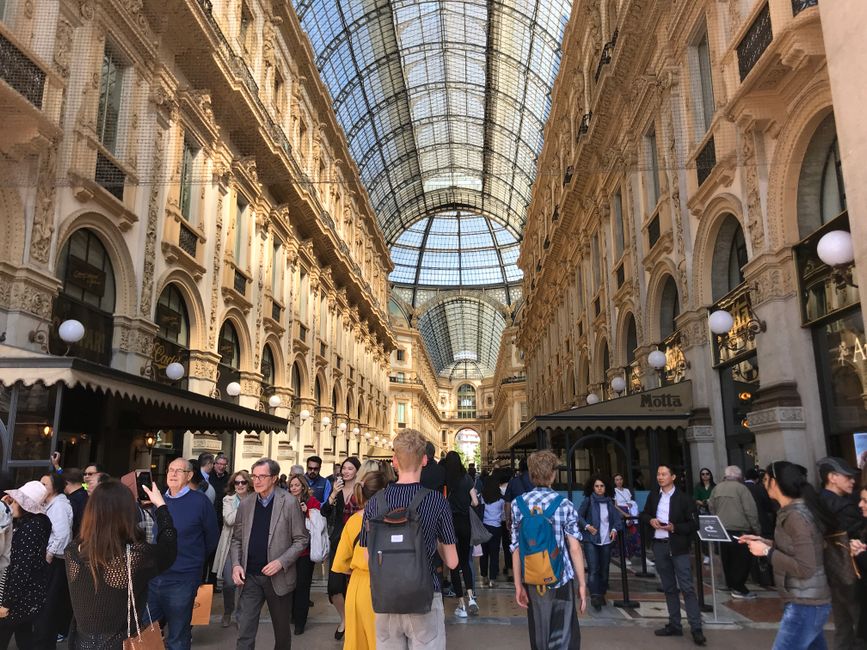
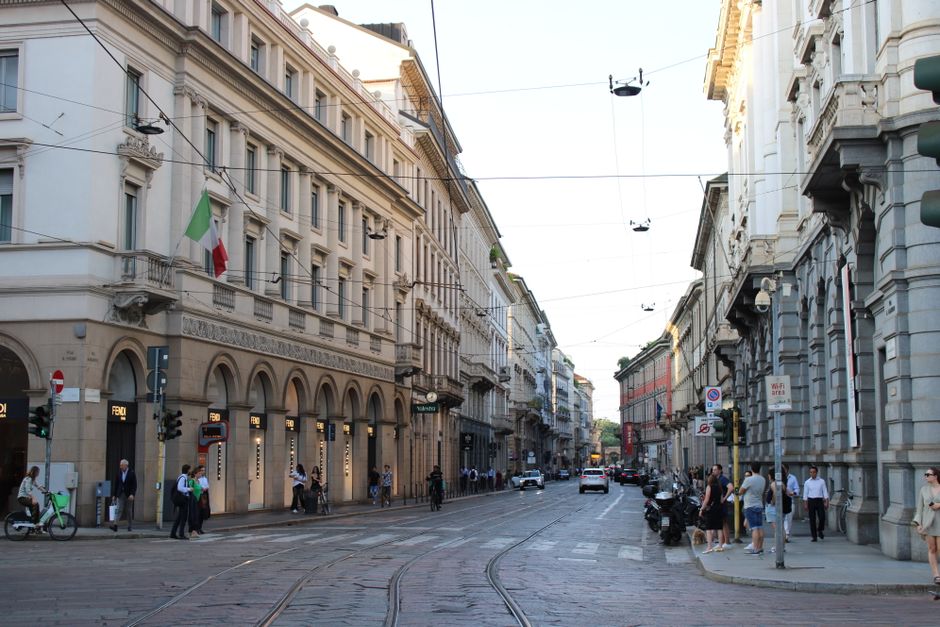
Walk down Via Torino on a Friday evening and you'll notice something that felt impossible just 18 months ago: queues forming outside independent music venues before doors even open. Milano's live entertainment landscape is experiencing a renaissance that has caught even seasoned promoters off guard, with venues reporting attendance figures that rival pre-pandemic levels and a noticeable shift in what audiences actually want to hear.
The Filaforum in Assago, traditionally the city's heavyweight for international touring acts, has expanded its summer schedule by 40 per cent compared to 2024. But the real story is happening in smaller rooms. Venues like Magazzini Generali in Porta Romana and the newly renovated Blue Note Milano—relocated to Galleria Strasburgo after years of renovation—are now commanding €35-50 ticket prices for mid-tier artists, a jump of roughly 25 per cent from three years ago. Attendance data from local promoter companies suggests that shows in the 500-1,500 capacity range are now consistently hitting 85-90 per cent occupancy by showtime.
What locals are actually talking about, though, isn't just the crowds. It's the curation. Venues across Navigli and Brera neighbourhoods report that audiences are increasingly seeking live experiences over streaming, with acoustic and indie acts outperforming electronic bookings by a significant margin. The shift reflects a broader cultural recalibration: after years of cultural fatigue, Milanese audiences appear hungry for tactile, communal experiences. Ticket reseller data shows secondary market activity running 15 per cent above comparable European cities.
The economic context matters too. Milano's position as a global financial hub means disposable income remains relatively strong among younger professionals aged 25-40, the demographic now driving 60 per cent of ticket sales. Yet venues report they're also seeing more tourists from across Italy choosing to stay longer in Milan specifically for concert schedules—a trend that's trickling down to neighbouring bars and restaurants in neighbourhoods like Isola and Lambrate.
Not everything is rosy. Venue operators quietly acknowledge rising operational costs—sound engineer wages and insurance premiums have climbed steeply—which explains the ticket price increases. Smaller DIY spaces in Tortona and San Siro are struggling to compete, with at least three closures announced this spring. Yet the overall momentum feels undeniable. Milano's music venues, after years of survival mode, appear to be genuinely thriving again. The question locals are now asking isn't whether live music will survive in the city, but how venues will manage the surge in demand.
This article was compiled by AI from the sources linked above and screened before publishing. See our editorial standards.