Summer 2026: Your Complete Guide to Milan's Best Food and Drink Experiences Right Now
From hidden aperitivo spots in Navigli to Michelin kitchens experimenting with sustainable ingredients, here's where Milan's culinary scene is heading this season.
From hidden aperitivo spots in Navigli to Michelin kitchens experimenting with sustainable ingredients, here's where Milan's culinary scene is heading this season.
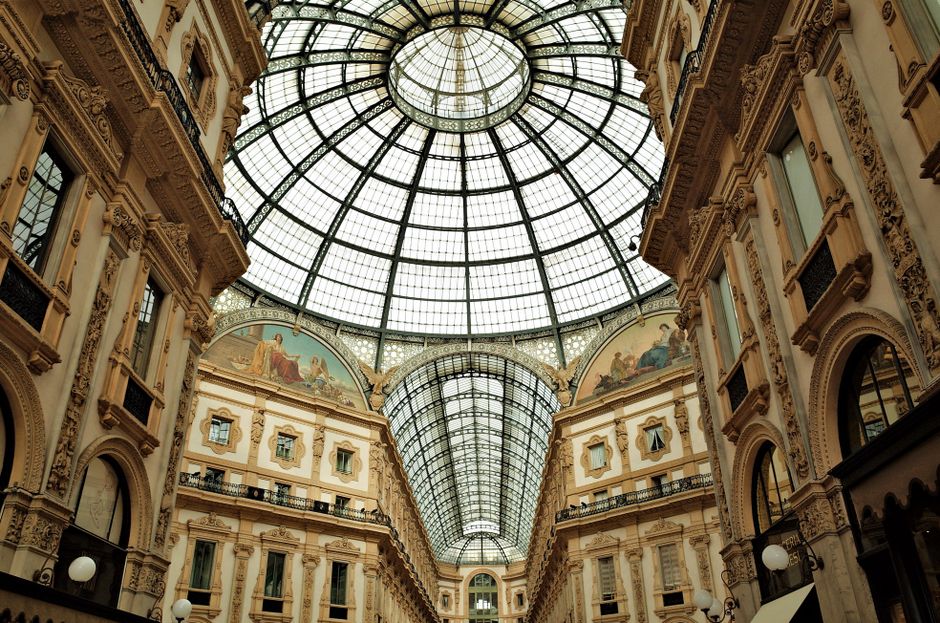
Milan's food culture has undergone a quiet revolution. Walk through Brera or along the Navigli canals in late June, and you'll notice something has shifted: restaurants are moving away from heavy tradition toward ingredient-driven creativity, while neighbourhood spots are reclaiming the city's soul.
Start your evening in Navigli, where the canal-side bars have evolved considerably. The traditional spritz trolley still exists, but venues are now emphasising natural wines and small-batch spirits from Lombardy's lesser-known producers. Budget €6-8 for a quality aperitivo, and expect to queue—the neighbourhood remains Milan's most animated social hub, particularly Thursday through Sunday when the waterfront fills with locals and visitors alike.
For serious dining, the conversation has shifted. While Milan maintains seven Michelin-starred establishments, the energy has moved toward mid-range restaurants embracing zero-waste protocols and hyper-local sourcing. Near Porta Ticinese, several venues have partnered with Cascina Cuccagna, an urban farm cooperative in the southern suburbs, to feature seasonal vegetables that rarely appear on traditional menus. Expect mains around €18-26 and a refreshing departure from predictable risotto alla milanese.
The aperitivo culture itself deserves deeper exploration beyond Navigli's obvious appeal. Corso Como, traditionally a fashion district, has developed a sophisticated happy-hour circuit. Between 6-8pm, bars offer generous spreads alongside €5-7 drinks—a better value than you'll find in the historic centre. The Quadrilatero d'Oro's restaurants increasingly offer early-evening tasting menus (€35-45 for three courses), targeting professionals emerging from nearby offices.
Breakfast culture remains distinctly Milanese: cornetto and espresso still dominate, but third-wave coffee has established itself permanently. Anticipate €2-3 for excellent coffee in neighbourhoods like Isola and Garibaldi, where Australian-style brunch spots have proven surprisingly compatible with Italian morning rituals.
Street food has professionalised considerably. Around the Sant'Ambrogio market and in Chinatown (near Via Paolo Sarpi), vendors offer quality panini, arancini, and increasingly, fusion options reflecting Milan's immigration patterns. Most items cost €4-7.
Finally: book ahead. Milan's restaurant scene operates on booking systems, particularly for dinner service. Walk-ins work at neighbourhood trattorias and aperitivo bars, but anywhere with Michelin consideration requires reservations weeks in advance. This isn't new, but it's worth reiterating as summer tourism peaks.
The city's food identity remains distinctly northern Italian, yet increasingly cosmopolitan—a balance worth experiencing now, before inevitably, trends shift again.
This article was compiled by AI from the sources linked above and screened before publishing. See our editorial standards.
How does this story make you feel?
Spread the word
About this article
Published by The Daily Milan
Daily brief
Free, in your inbox before 7am. Weekdays.
More in culture