Milan's New Storytellers: The Emerging Voices Redefining Our City's Cultural Identity
A fresh generation of artists, curators and creators in Porta Romana and beyond are challenging how Milan remembers itself—and building heritage for tomorrow.
A fresh generation of artists, curators and creators in Porta Romana and beyond are challenging how Milan remembers itself—and building heritage for tomorrow.
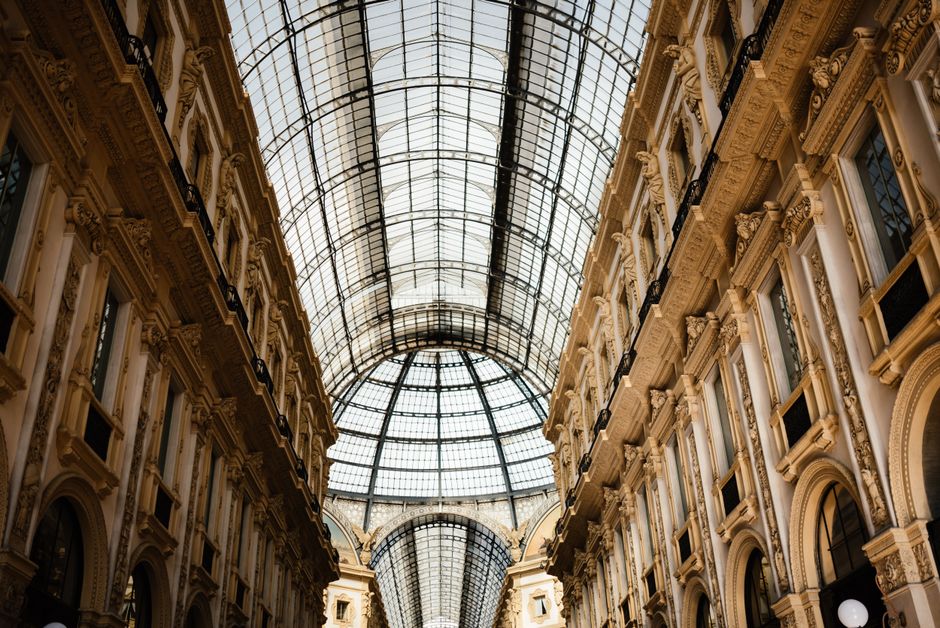
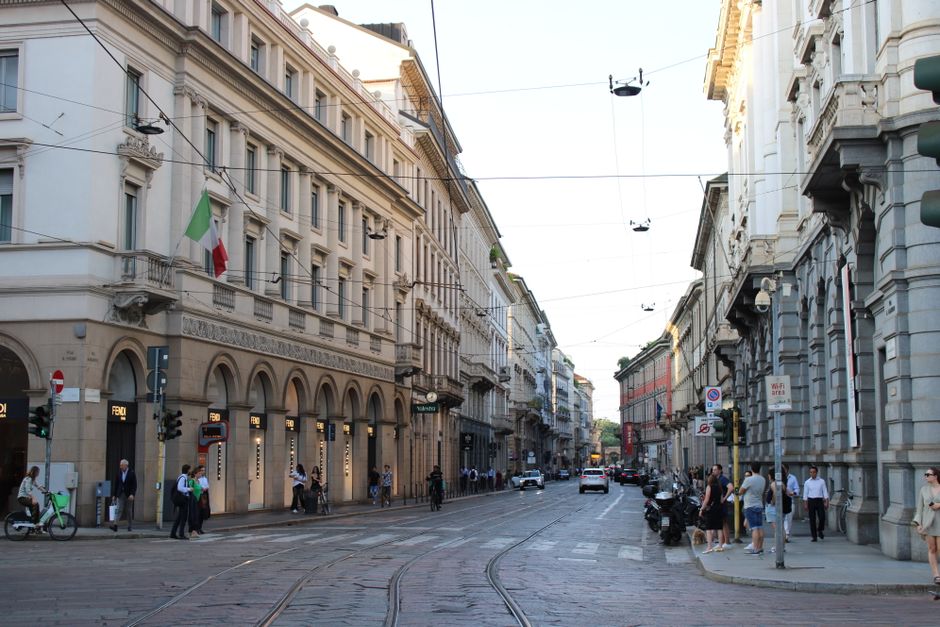
Walk through Porta Romana on a Thursday evening and you'll find them: young curators hunched over laptops in converted workshops, digital archivists photographing fading murals in the Navigli, documentarians interviewing longtime residents about disappearing craft traditions. They are Milan's emerging cultural voices, and they're fundamentally reshaping how this city of 1.3 million understands its own past.
Unlike previous generations who treated Milan's Duomo, Sforza Castle and La Scala as untouchable monuments, today's tastemakers are democratising heritage. Take the work happening at BASE—the 120,000-square-metre creative hub in the former Ansaldo industrial site—where artists under 35 are developing digital projects that map Milan's working-class districts through social media archives and oral histories. One emerging collective is cataloguing the stories of immigrant communities who built postwar Milan, creating what they call "invisible heritage" exhibitions.
The shift reflects a broader shift across Italy's cultural sector. Museum attendance among 18-30 year-olds in Milan rose 23% between 2023-2025, according to the Politecnico's cultural observatory, yet traditional institutions struggle to retain this demographic. Entrance fees averaging €12-15 exclude many, pushing innovation toward grassroots alternatives: pop-up galleries in Sant'Ambrogio, free walking tours through Brera's pre-war artistic networks, and community-led research projects documenting the Lambrate design district's evolution.
What distinguishes this wave is their rejection of "heritage as nostalgia." These creators argue Milan's identity shouldn't be frozen in the Renaissance or industrial boom, but actively constructed through continuous reinterpretation. A 28-year-old archivist in Zona Tortona recently launched a project comparing Milan's 1950s socialist murals with contemporary street art, arguing both reveal essential truths about the city's soul.
Funding remains precarious—most emerging organisations survive on €50,000-150,000 annual budgets—yet institutional attention is growing. The Triennale di Milano has established a "Next Voices" fellowship programme, while smaller venues like Spazio Punch in Isola actively incubate experimental heritage projects.
The stakes are high. As Milan accelerates toward 2026's Winter Olympics and beyond, these young gatekeepers face a crucial question: will they shape how the city's culture evolves, or will commercial development override grassroots memory-work? Their answer will define Milan's cultural identity for decades to come.
This article was compiled by AI from the sources linked above and screened before publishing. See our editorial standards.
How does this story make you feel?
Spread the word
About this article
Published by The Daily Milan
Daily brief
Free, in your inbox before 7am. Weekdays.
More in culture