Milan Theatre Scene: From Opera to Digital Innovation
Discover how Milan's theatre evolved beyond La Scala. Explore experimental spaces in Navigli, independent collectives, and digital stages transforming the city's performing arts.
Discover how Milan's theatre evolved beyond La Scala. Explore experimental spaces in Navigli, independent collectives, and digital stages transforming the city's performing arts.
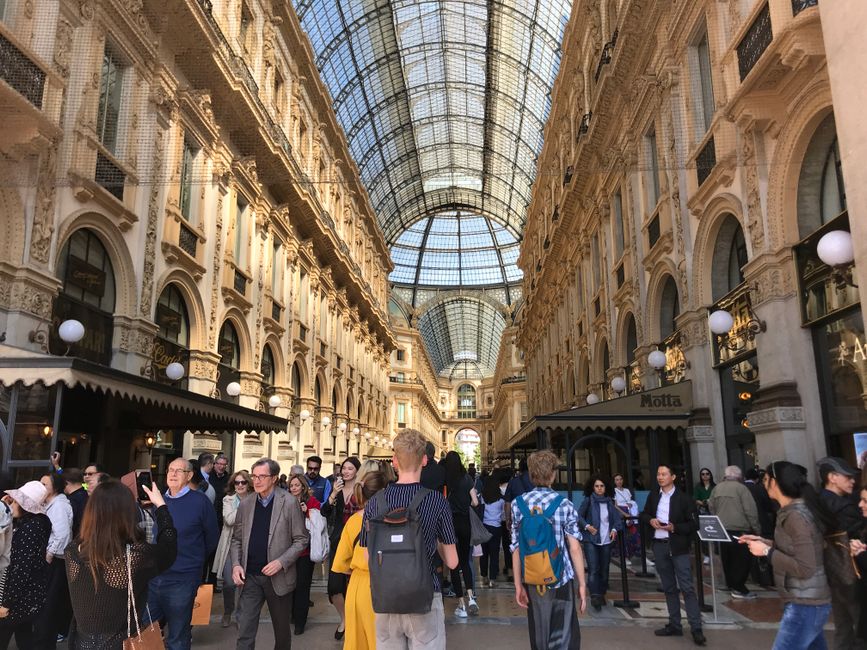
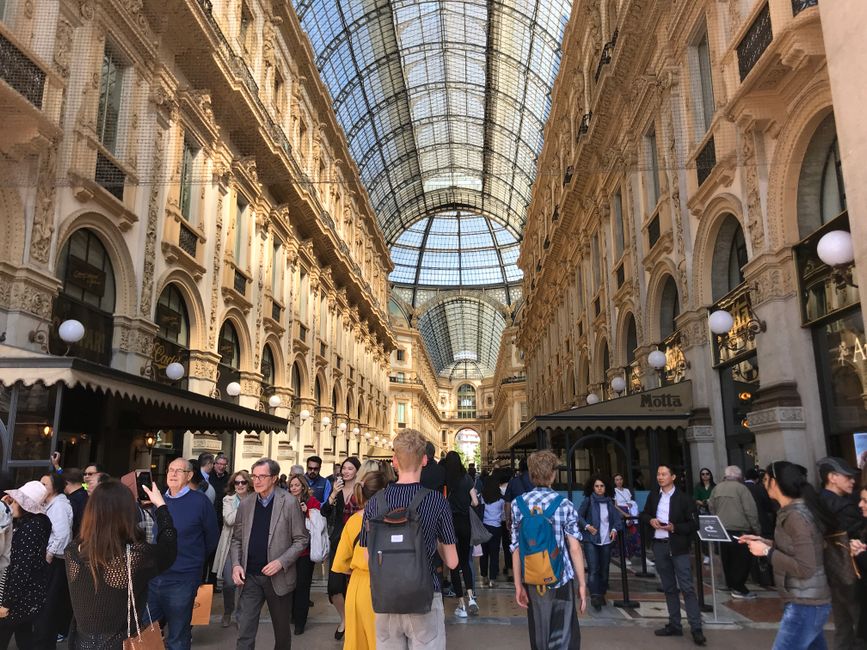
Walk through the Brera district on any given evening, and you'll encounter a theatrical Milan that would astonish the audiences of 1926. While La Scala remains the gilded anchor of this city's cultural identity—its neoclassical façade on Piazza della Scala still commanding reverence—the real story of Milan's performing arts scene is one of radical democratisation and creative experimentation.
For decades, theatre in Milan was inseparable from operatic tradition. The La Scala institution dominated, with ticket prices and dress codes that made performance a preserve of Milan's elite. But the social upheavals of the 1960s and 70s fractured this monopoly. Independent theatre collectives began colonising warehouses in Navigli and Isola, creating spaces like Teatrodizzo and later Teatro Franco Parenti, which opened in 1998 on Via Pier Lombardo. These venues democratised access, with ticket prices hovering around €15-25, a stark contrast to La Scala's €80-300 range.
The 2000s witnessed another seismic shift. Performance became increasingly interdisciplinary. The rise of venues like Piccolo Teatro—founded in 1947 but revitalised through the 2000s with multiple locations across the city—reflected Milan's appetite for contemporary drama, physical theatre, and politically engaged work. Dance companies like Aterballetto and Compagnia Abbondanza/Bertoni pushed boundaries, integrating multimedia elements that would have seemed outlandish in earlier decades.
Today's landscape is almost unrecognisable from the opera-centric past. The 2010s brought a technological turn. Streaming performances, which seemed niche, became essential infrastructure during pandemic lockdowns. Many venues now simultaneously broadcast productions, expanding audiences from the immediate Milanese catchment to diaspora communities globally.
Contemporary venues reflect this pluralism. Teatro Strehler in Largo Greppi hosts experimental work; Elsinor in Lambrate has become a hub for independent productions; and Spazio Quarantasei in Porta Romana hosts emerging artists. Ticket prices have stratified: mainstream productions at established theatres cost €25-50, while fringe events in smaller spaces run €8-15.
What's striking is accessibility. In 2025, approximately 40% of Milan's population attended at least one theatre performance annually—a significant rise from 18% in 1995. Youth engagement programmes have proliferated, with discounted tickets for under-25s now standard practice.
Milan's theatre scene has evolved from a conservative bastion into something genuinely democratic and experimental. The city's performing arts no longer defer entirely to operatic grandeur. Instead, they reflect the messy, multicultural, digitally-inflected reality of contemporary urban life. That's perhaps the truest measure of cultural progress.
This article was compiled by AI from the sources linked above and screened before publishing. See our editorial standards.
How does this story make you feel?
Spread the word
About this article
Published by The Daily Milan
Daily brief
Free, in your inbox before 7am. Weekdays.
More in culture