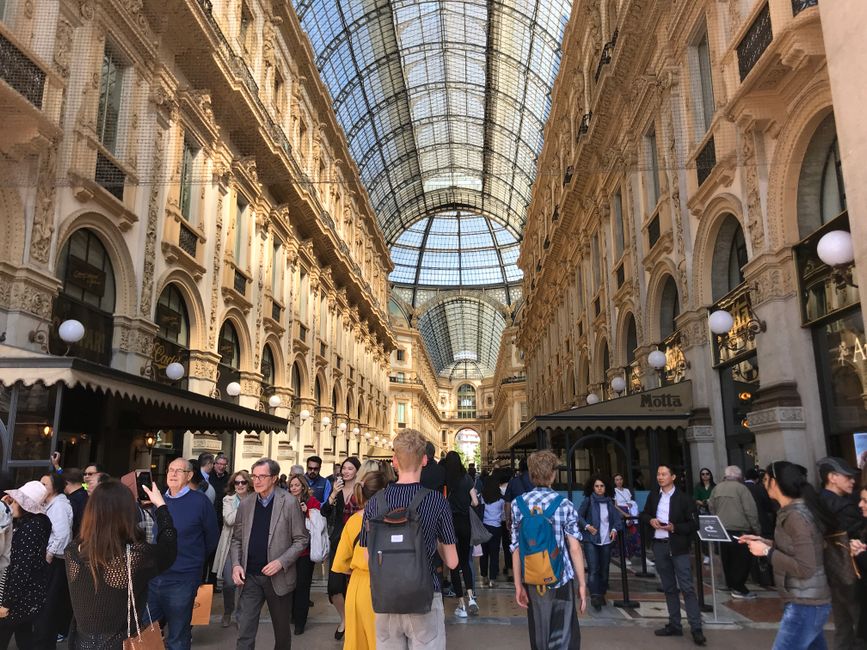
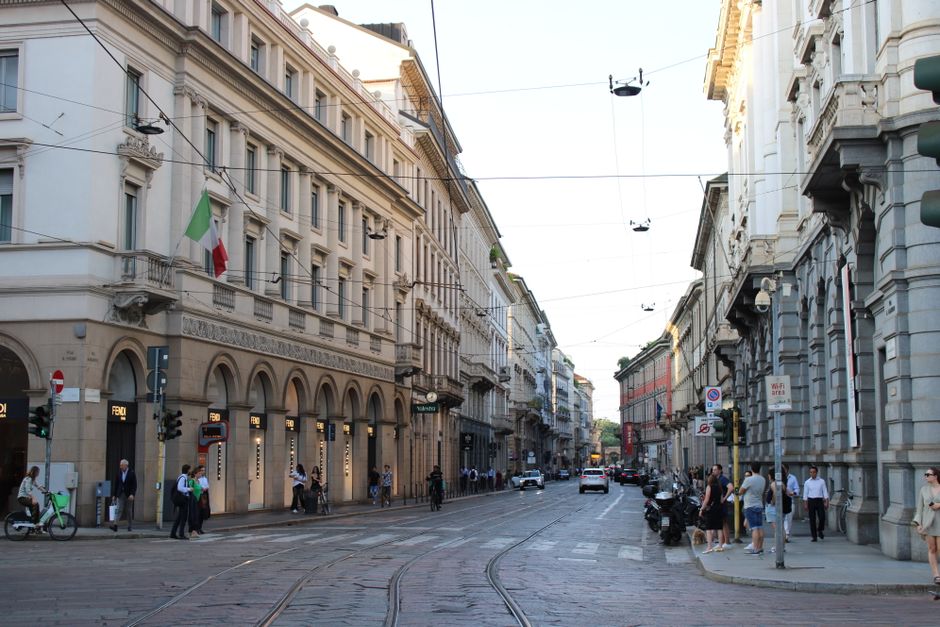
Walk through the cobbled streets of Brera on any given Tuesday, and you'll encounter a peculiar sight: a 28-year-old pattern-maker conferring with a sustainability consultant outside a 150-year-old atelier; a textile engineer reviewing digital samples on a tablet beside hand-dyed silk swatches. This is the reality behind Milan's design mythology—not the glamour of fashion week, but the unglamorous, essential labour of creation.
The shift has been seismic. Over the past three years, according to the Camera di Commercio di Milano, approximately 340 new design studios have opened in the historic Navigli district alone, many founded by designers returning from London, Berlin, and Copenhagen, seeking lower overheads and proximity to Italy's artisanal supply chains. The average studio rent hovers around €1,200 monthly—substantially cheaper than comparable London postcodes—yet still accessible enough to attract investment from emerging fashion houses.
What distinguishes this moment is deliberate transparency about process. Studios like those clustered around Via Torino and the Zona Tortona have begun documenting their production methods—not as marketing ploy, but as philosophical commitment. The rise of "process-forward" design, where the methodology becomes as important as the finished garment, has fundamentally altered how young creative directors approach their craft. This represents a departure from the Milanese tradition of mystique-laden design houses.
The infrastructure supporting this shift extends beyond studio space. Organisations like Fondazione Camerana and the revamped Design Hub Milano on Via Thaon di Revel now offer subsidised mentorship from veteran pattern-makers, archivists, and production managers—a conscious effort to arrest generational knowledge loss. Entry-level positions in collaborative studios now average €24,000 annually, attracting talent previously priced out of Milan's creative sector.
Perhaps most significantly, the digital revolution has decentralised creative authority. Where design once flowed vertically from established houses, today's ecosystem enables horizontal collaboration. A junior designer in a Brera workshop can source sustainable materials from suppliers in Como, consult a software engineer about production scalability, and present finished samples to potential backers—all without the gatekeeping structure that historically defined Milan's fashion establishment.
This democratisation doesn't diminish Milan's prestige; rather, it redistributes it. The city remains design capital not because a handful of houses dictate aesthetic direction, but because thousands of skilled minds, embedded in communities and craft traditions, collectively generate the ideas that eventually trickle upward. The real story of Milan's fashion industry exists not in the presentation halls of Porta Nuova, but in the quiet ambition of the people who make the scene possible.
This article was compiled by AI from the sources linked above and screened before publishing. See our editorial standards.