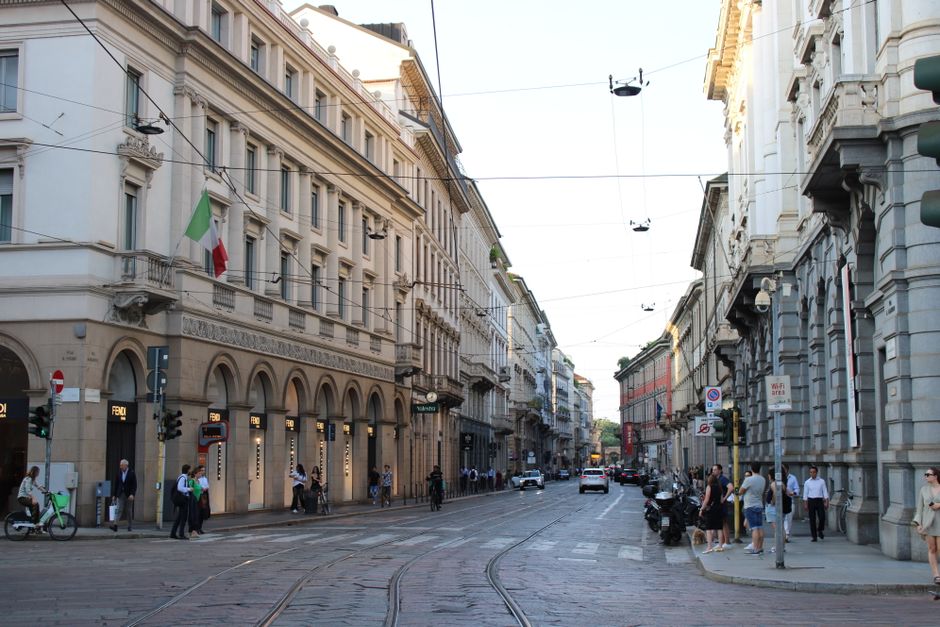
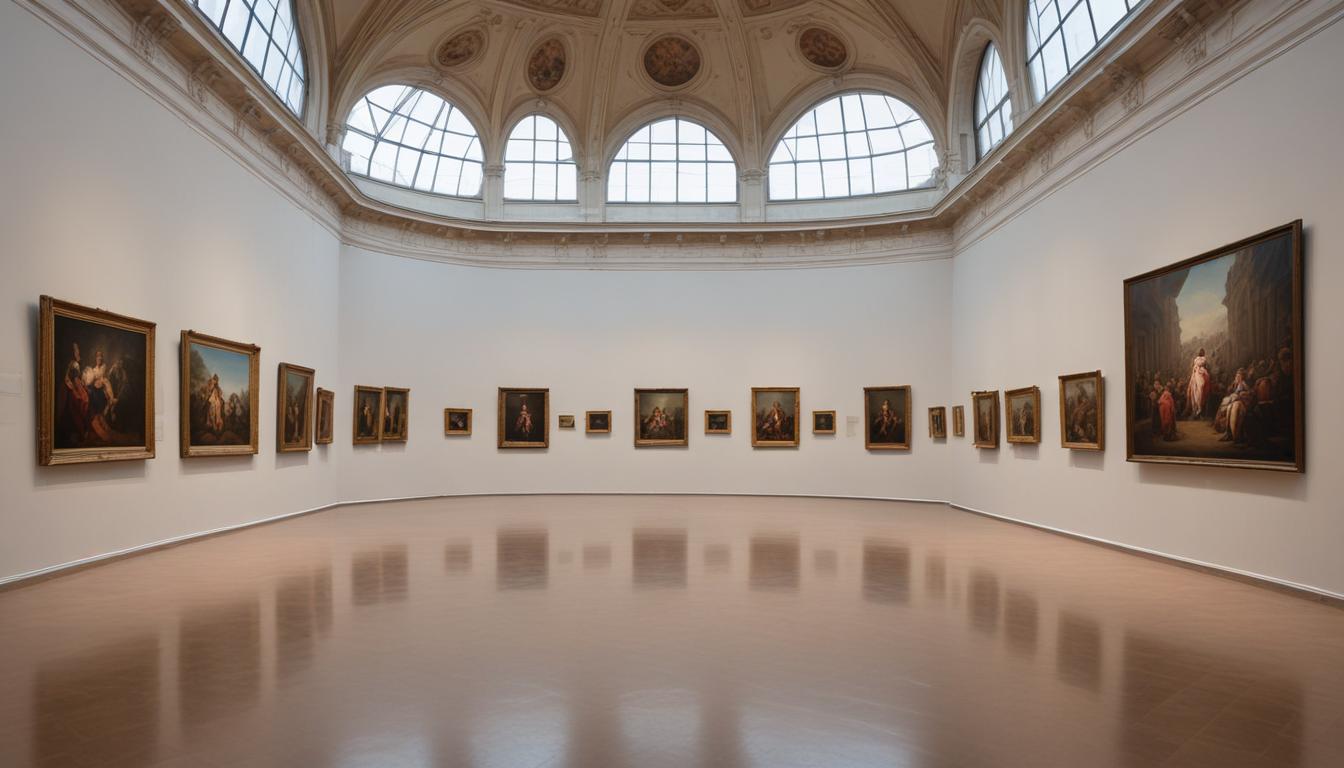
Walk along the Navigli Grande on any Thursday evening and you'll encounter something quietly revolutionary. Between the aperitivo crowds and vintage shops, small clusters of people queue outside converted warehouses and former storefronts—spaces hosting everything from experimental theatre to independent film screenings. This isn't the Milan of gilt-edged opera houses. This is a cultural uprising happening in the margins.
Over the past eighteen months, more than a dozen grassroots performance collectives have established themselves across Milan's working-class neighbourhoods, particularly in Navigli, Greco, and Porta Romana. These aren't institutional bodies with municipal backing. They're networks of artists, filmmakers, and community organisers who've grown tired of waiting for the city's traditional gatekeepers to innovate.
"What started with three friends and a rented room in 2024 has become something none of us predicted," explains the organising circle behind Spazi Comuni, one of Navigli's most prominent collectives. Today, their monthly film screenings draw 200-plus attendees. Ticket prices hover around €7—a stark contrast to the €25-45 tickets at more established venues downtown. By autumn, they estimate 40% of attendees will be under 25, a demographic historically underrepresented in Milan's cultural consumption.
The movement extends beyond simple economics. These collectives are programming deliberately: hosting post-screening discussions on migration, disability representation in cinema, and economic inequality. They're showcasing work from emerging Italian directors alongside international experimental pieces rarely seen in commercial circuits. Some groups have begun commissioning original performances, creating platforms for local theatre makers who've struggled to secure rehearsal space in an increasingly expensive city.
The Piccolo Teatro and other traditional institutions haven't ignored this shift. Several now partner with independent collectives, offering technical support or venue space. Yet tension persists. Purists argue that institutionalised support risks domesticating what makes these movements vital—their scrappy independence, their resistance to market logic.
What's undeniable is momentum. A June survey by Kulturgest Milano identified 34 active independent performance spaces across the city, up from nine in 2023. Average attendance at grassroots venues has climbed 67% year-on-year. Public funding bodies are watching carefully.
The Navigli district, once synonymous with gentrification and upscale dining, is becoming known for something different: a new generation claiming culture as a right, not a luxury. Whether these collectives sustain their radical edge while growing remains Milan's most pressing cultural question.
This article was compiled by AI from the sources linked above and screened before publishing. See our editorial standards.