Your Essential Guide to Milan's Film, Theatre and Performing Arts Scene
From world-class opera to cutting-edge contemporary theatre, here's what you need to know before experiencing Milan's vibrant cultural heartbeat.
From world-class opera to cutting-edge contemporary theatre, here's what you need to know before experiencing Milan's vibrant cultural heartbeat.
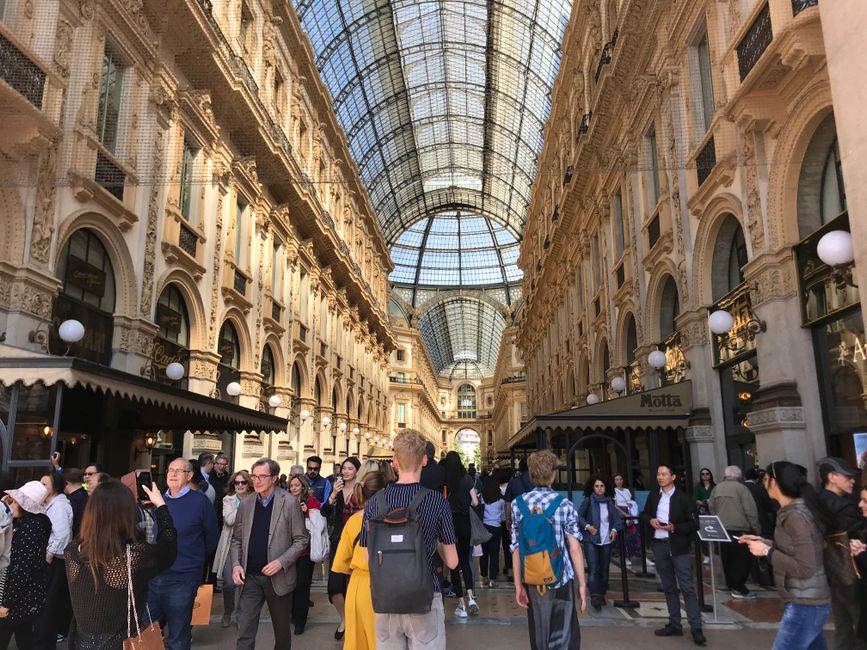
Milan's reputation as Italy's cultural powerhouse extends far beyond fashion week. The city hosts one of Europe's most sophisticated performing arts ecosystems, attracting audiences from across the globe to venues that rank among the continent's finest.
Begin with La Scala, nestled in the heart of Piazza della Scala near the Duomo. This legendary opera house—reopened in 2002 after a three-year restoration—remains the gold standard for classical music aficionados. The 2026 season typically runs from December through June, though special performances occur year-round. Ticket prices range from €15 for gallery seats to €250 for prime orchestra positions, though advance booking is essential. The museum, accessible during daytime hours, offers insight into its storied 250-year history.
For contemporary theatre, the Piccolo Teatro di Milano in Largo Greppi offers experimental works alongside classics. Founded in 1947, it pioneered the democratisation of theatre-going in Italy. A shorter walk through the elegant Brera district brings you to Palazzo Reale, which frequently hosts film festivals and multimedia exhibitions that blur boundaries between cinema and visual art.
Film culture flourishes at the Cineteca Italiana in Viale Fulvio Testi, a state-of-the-art facility housing over 100,000 titles. This isn't merely an archive—it's an active screening venue showcasing restored classics and contemporary retrospectives. Admission typically costs €8–12 per screening. The city's independent cinemas, particularly in the Navigli district, screen international releases and arthouse productions that mainstream multiplexes ignore.
The Milano Film Festival, held biennially (next edition 2026), brings together professionals and enthusiasts for a week-long celebration of global cinema. Meanwhile, the Festival Internazionale di Musica e Arti Sceniche draws world-class performers to venues across the city, from intimate churches to large concert halls.
Practical considerations: Milan's cultural venues cluster around the city centre and Brera neighbourhood, accessible via the efficient metro system (€2.20 single ticket). Most theatres observe Italian holidays and typically close in August. Book ahead through official websites rather than street vendors; Vivaticket and Ticketmaster handle most reservations. Many venues offer student discounts (10–30%) with valid ID.
Whether you're queuing for a coveted Scala premiere or discovering emerging talent in a Navigli basement theatre, Milan delivers authentic cultural experiences that justify its status as an international arts destination. Plan your visit strategically—theatrical seasons follow European rhythms, with autumn and winter offering the most comprehensive programming.
This article was compiled by AI from the sources linked above and screened before publishing. See our editorial standards.
How does this story make you feel?
Spread the word
About this article
Published by The Daily Milan
Daily brief
Free, in your inbox before 7am. Weekdays.
More in culture