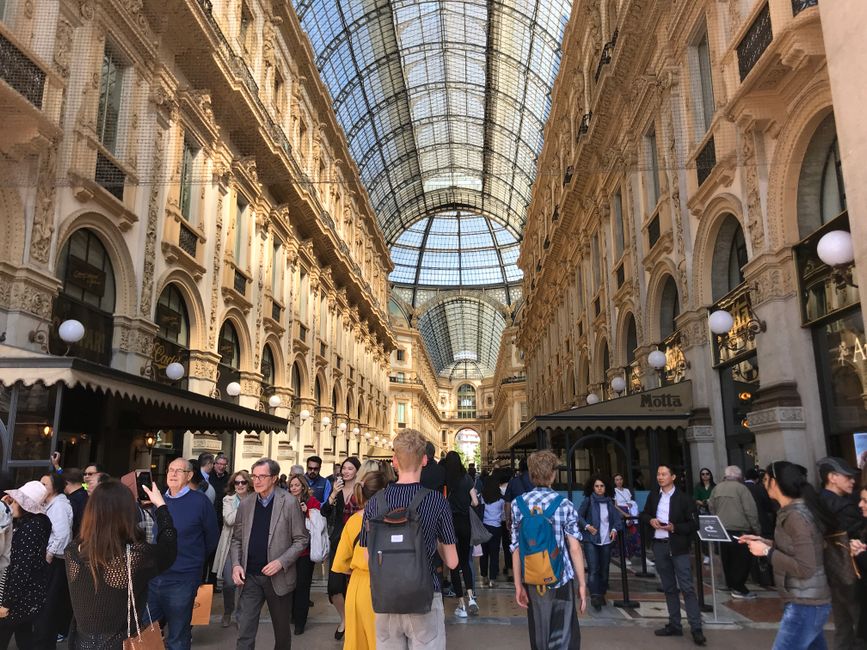
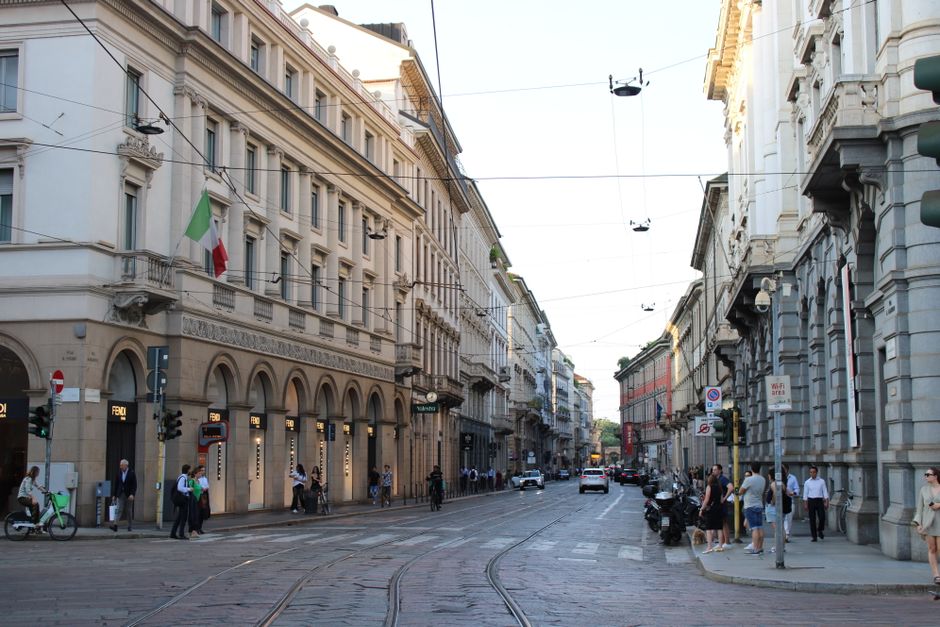
Walk into any buzzing establishment along the Navigli canals on a Friday evening and you'll witness the fruits of a quiet revolution. What began fifteen years ago as a handful of young restaurateurs questioning the stiff formality of Milanese dining has evolved into a thriving ecosystem—one that now defines how the city eats, drinks, and socializes.
The shift didn't happen by accident. During the early 2010s, a cohort of hospitality professionals—many trained abroad, some returning from London and Barcelona—began opening intimate spaces in overlooked neighbourhoods. They rejected the ostentatious minimalism that had dominated Milan's fine dining, instead embracing warmth, accessibility, and storytelling. Today, establishments in Isola and Porta Romana operate at 85–90% capacity most evenings, while the aperitivo scene generates an estimated €200 million annually across the metropolitan region.
The Navigli district became ground zero. Once perceived as tired, the area's waterfront transformed through the deliberate efforts of independent bar owners who introduced affordable natural wines—often €4–8 per glass—and boards of local producers' cured meats and cheeses. This wasn't nostalgia; it was intentional curation. Similar philosophies took root in Isola, where restaurant collectives began sourcing from Lombardy's hinterland farms, establishing direct relationships with producers outside the traditional wholesale system.
What distinguishes Milan's current food culture from other European cities is the emphasis on neighbourhood identity. Unlike London's postcode-specific trends or Barcelona's tourist-driven transformation, Milan's scene remained rooted in local consumption. Residents of Brera frequent the same wine bar their neighbours opened; families in Zona 9 gather at communal tables in converted warehouses where chef-owners cook family recipes alongside experimental small plates.
The economic impact extends beyond restaurant revenues. Peripheral neighbourhoods have experienced measurable gentrification—property values in parts of Isola rose 40% between 2015 and 2024—though concerns about displacement persist. Meanwhile, the visibility of this scene has attracted international attention: Milan now hosts over 2.8 million food-related tourism visits annually, with restaurant experiences accounting for 34% of cultural spending.
Yet success brings pressure. Several pioneering spaces have closed as rents climbed; others have scaled into mini-chains, diluting the intimacy that defined their origin story. The next chapter, those still leading the charge acknowledge, requires conscious effort to preserve the ethos that made the transformation possible in the first place.
This article was compiled by AI from the sources linked above and screened before publishing. See our editorial standards.