How Milan's Grassroots Gallery Network is Reshaping Who Gets to Make Art
A new generation of curators and community organisers in Navigli and beyond are dismantling the gatekeeping that long defined the city's elite museum culture.
A new generation of curators and community organisers in Navigli and beyond are dismantling the gatekeeping that long defined the city's elite museum culture.
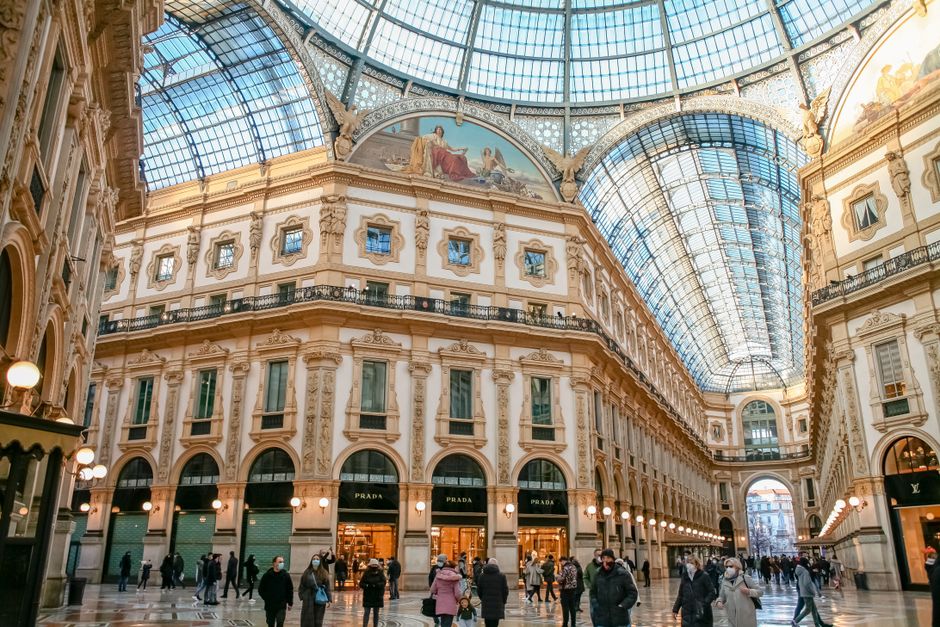
Walk down Via Gian Giacomo Mora on a Thursday evening and you'll find the Navigli district transformed into something unrecognisable from the Milan of a decade ago. Where established galleries once sat behind pristine glass, independent collectives now occupy converted warehouses and ground-floor apartments, their doors flung open to neighbours who've never set foot in a museum.
This shift marks a fundamental recalibration of Milan's cultural landscape. The Pinacoteca di Brera and Castello Sforzesco remain powerful institutional anchors, but they're no longer the primary drivers of artistic conversation in the city. Instead, a decentralised network of artist-run spaces, neighbourhood cooperatives, and pop-up initiatives—many operating on annual budgets under €50,000—has become the engine of cultural innovation.
The numbers tell a story of explosive growth. Since 2022, over 40 independent gallery collectives have registered in Milan's municipality, with nearly 60 per cent located in historically working-class areas like Greco, Lambrate, and the Navigli itself. Meanwhile, visitor demographics have shifted dramatically. A 2025 survey by the Fondazione Triennale found that 68 per cent of visitors to independent gallery spaces came from the immediate neighbourhood, compared to just 18 per cent at major institutions.
What's driving this transformation isn't nostalgia for bohemia, but rather deliberate community organising. Groups like Spazi Comuni, a federation of 12 artist collectives operating across Milano Est, have systematically dismantled the assumption that contemporary art demands formal credentials or expensive catalogues. Free entry is standard. Multilingual programming accommodates Milan's growing migrant communities. Several spaces offer studio access to emerging artists on sliding-scale rental terms.
The movement has also reshaped how art is discussed in the city. Where gallery openings once catered to collectors and critics, neighbourhood exhibitions now centre on thematic concerns—housing precarity, environmental justice, digital labour—that resonate with local populations. A recent show in Lambrate exploring the aesthetics of informal work drew 1,200 visitors over three weeks, numbers that would have seemed unimaginable for such a venue five years ago.
This isn't without friction. Established dealers worry about market saturation. Local administrators struggle to provide affordable studio space as rents climb. Yet the momentum appears irreversible. Milan's cultural identity is no longer concentrated in monumental institutions but dispersed across a community-anchored ecosystem where art-making and art-viewing feel less like specialised practices and more like everyday civic life.
This article was compiled by AI from the sources linked above and screened before publishing. See our editorial standards.
How does this story make you feel?
Spread the word
About this article
Published by The Daily Milan
Daily brief
Free, in your inbox before 7am. Weekdays.
More in culture