A Visitor's Essential Guide to Milan's Film, Theatre and Performing Arts Scene
From world-class opera to cutting-edge independent cinema, here's what you need to know to experience the city's thriving cultural heart.
From world-class opera to cutting-edge independent cinema, here's what you need to know to experience the city's thriving cultural heart.
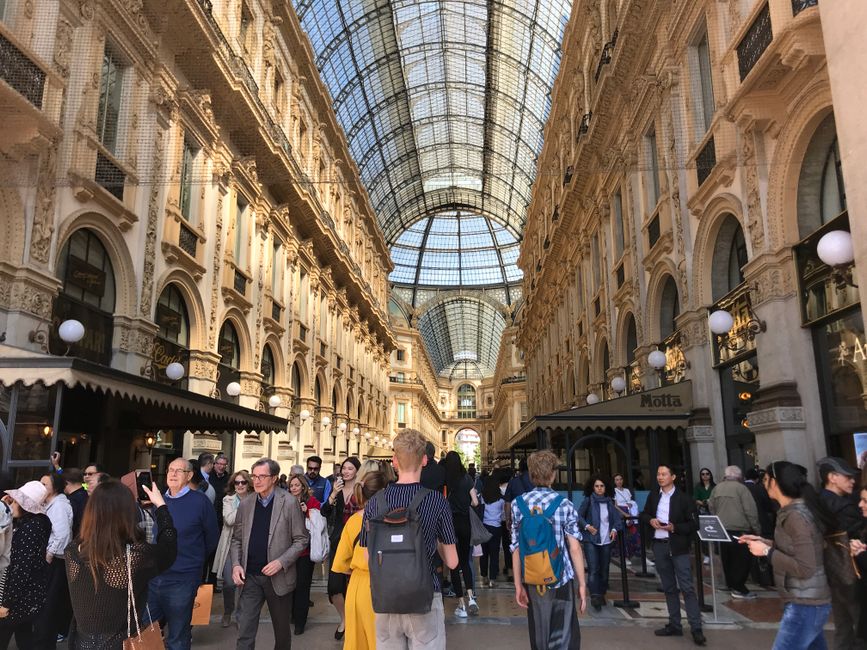
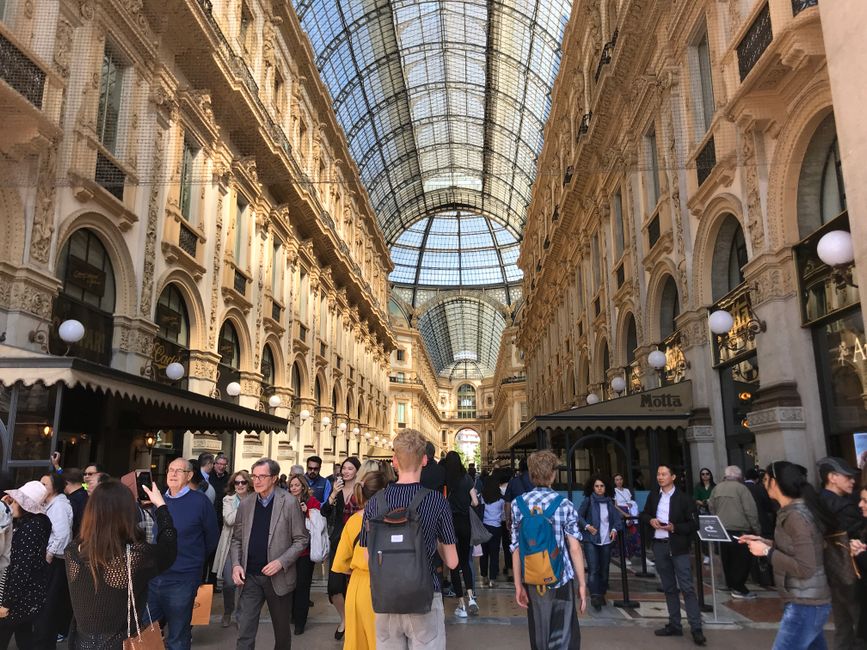
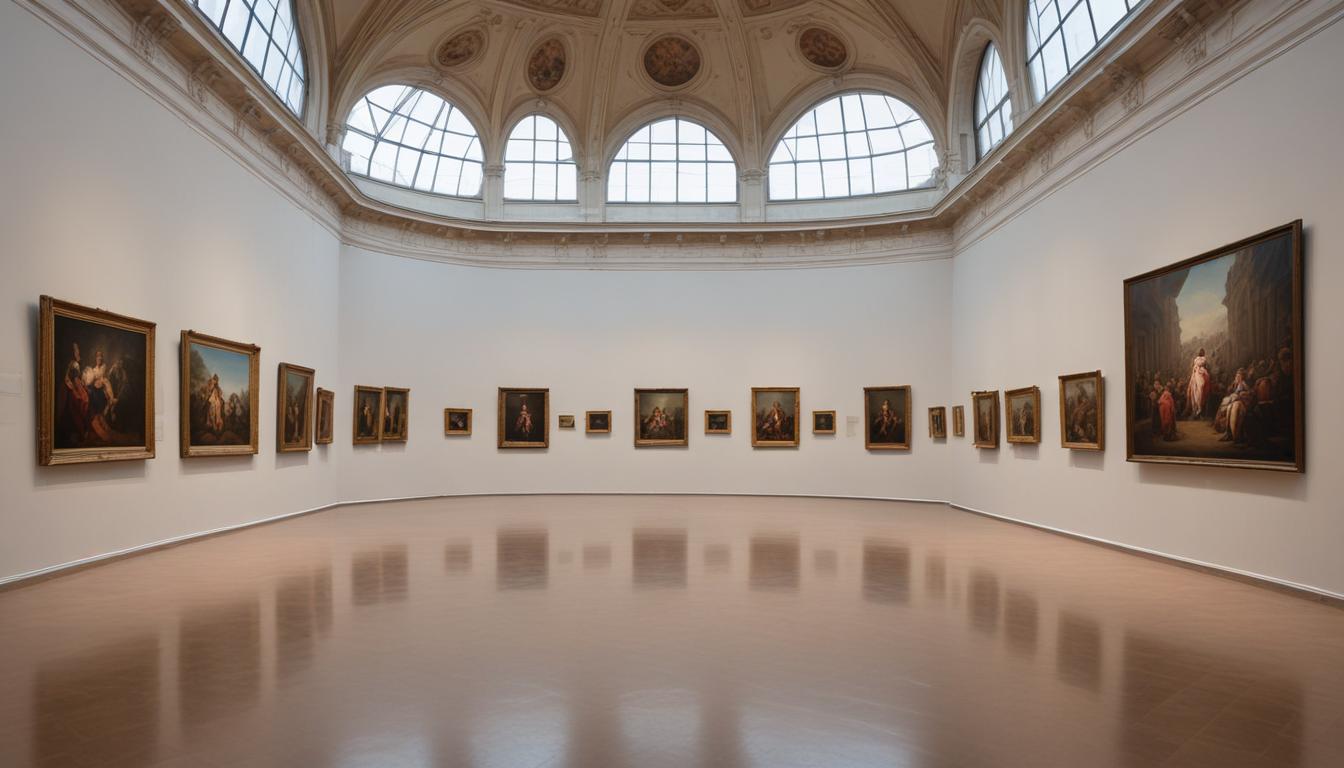
Milan's performing arts landscape extends far beyond its iconic opera house. Whether you're catching a premiere at La Scala or discovering experimental theatre in the Navigli district, the city offers a sophisticated mix of classical grandeur and contemporary innovation that rewards both casual visitors and serious culture enthusiasts.
Start with the obvious: La Scala on Piazza della Scala remains one of Europe's most prestigious opera venues, with the season running September through June. Tickets range from €20 for upper balcony seats to €200-plus for premium positions, though last-minute availability often emerges. The recently renovated theatre itself is a masterclass in 19th-century design—arrive early to absorb the gilt and crimson interior before performances begin.
But Milan's theatrical energy extends well beyond classical opera. The Piccolo Teatro, founded in 1947 and located near Castello Sforzesco, remains Italy's flagship experimental theatre, staging avant-garde productions alongside contemporary classics. Their summer programme increasingly features international works with surtitles for non-Italian speakers. Just south, the navigli neighbourhood—particularly around Ripa di Porta Ticinese—has transformed into a hub for independent performance spaces. Venues like Elsinor and Franco Parenti host everything from physical theatre to multimedia installations, often at refreshingly modest ticket prices (€10-€15).
For cinema, the landscape has shifted dramatically. While traditional multiplexes dominate the Duomo area, serious cinephiles head to Spazio Oberdan in the Porta Venezia neighbourhood, which showcases art house releases and retrospectives, or the Cineteca Italiana near Porta Romana, home to a 600-seat auditorium and extensive film archive open to researchers. The Cineteca also hosts the Milano Film Festival each October, drawing international programmers and critics.
A practical note: most venues close Mondays or Tuesdays. Box offices open 30 minutes before curtain time, though advance booking through individual websites is advisable, especially for La Scala. English-language information can be patchy at smaller venues—the tourist office at Centrale Station offers printed schedules updated monthly.
June through August sees reduced programming citywide, with venues moving outdoors. Several parks host open-air cinema and theatre—check the Comune di Milano website for summer schedules. Prices spike in August during the tourism peak; spring and autumn offer better value and fuller calendars. Allow at least three full days to experience different venues across multiple neighbourhoods.
This article was compiled by AI from the sources linked above and screened before publishing. See our editorial standards.
How does this story make you feel?
Spread the word
About this article
Published by The Daily Milan
Daily brief
Free, in your inbox before 7am. Weekdays.
More in culture