Walk through the Navigli district on a Saturday evening and you'll witness the transformation that has quietly redefined Milan's cultural DNA over the past five years. Where once the conversation centred on fashion weeks and design fairs, galleries now anchor neighbourhood identity as fiercely as any luxury boutique ever did.
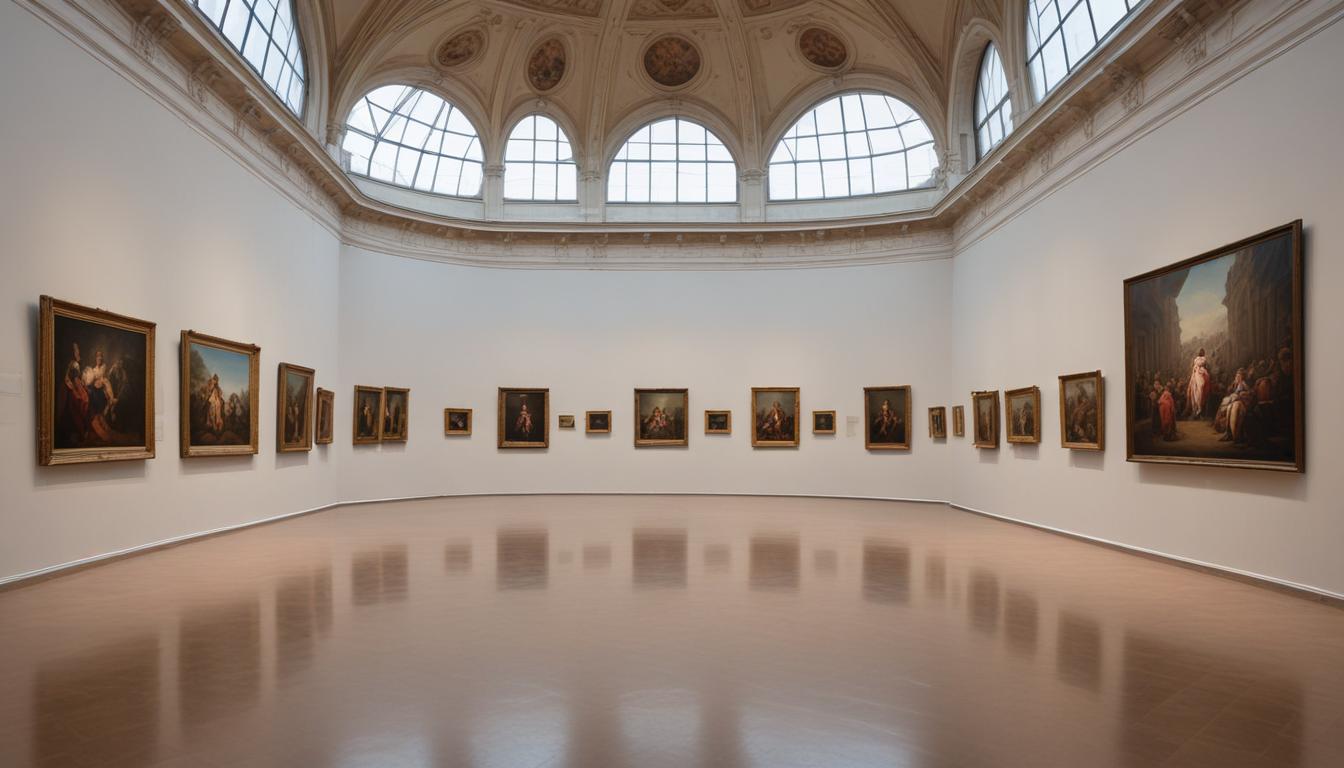
The shift is measurable. The Pinacoteca di Brera, Milan's crown jewel of classical art, reported 623,000 visitors in 2025—a 34 per cent increase from 2020. But the real story lies in how the institution has evolved. Its newly expanded contemporary wing on Via Brera now hosts rotating exhibitions that deliberately interrogate art's role in addressing global displacement, inequality and environmental crisis. This isn't accidental curatorial drift; it's a philosophical repositioning that mirrors the city's broader self-assessment.
Parallel to this, neighbourhoods like Isola and Zona Tortona have become incubators for smaller, artist-run galleries that operate with radically different economics than their established counterparts. Studios that charge €800 monthly rent now host experimental installations addressing everything from post-pandemic anxiety to migration narratives. The Fondazione Carrieri, tucked on a side street near Corso Como, exemplifies this: no entrance fee, artist stipends funded through community memberships, and a programming calendar that privileges emerging voices over marquee names.
The Castello Sforzesco, traditionally viewed as a historical museum, has similarly reinvented itself. Its recent acquisitions strategy explicitly targets contemporary Italian artists whose work engages with Milan's multicultural present. The message is clear: this isn't a city content to trade on Renaissance laurels.
Visitor data tells the story. Museum attendance across Milan's public institutions reached 3.2 million in 2025, with roughly 41 per cent of visitors under 35—significantly higher than comparable European capitals. Survey data suggests accessibility pricing matters: the Pinacoteca's €12 general admission policy draws more diverse audiences than competitors charging double.
What's genuinely distinctive about Milan's current moment isn't the presence of world-class institutions—those have existed for centuries. Rather, it's how deliberately these spaces are positioning themselves as platforms for interrogating contemporary identity. In a global moment characterised by fragmentation and crisis, Milan's galleries and museums have become the city's most eloquent voice on what it means to belong to a place, to a community, to a shared cultural project.
That repositioning may ultimately prove more significant than any blockbuster exhibition.
This article was compiled by AI from the sources linked above and screened before publishing. See our editorial standards.