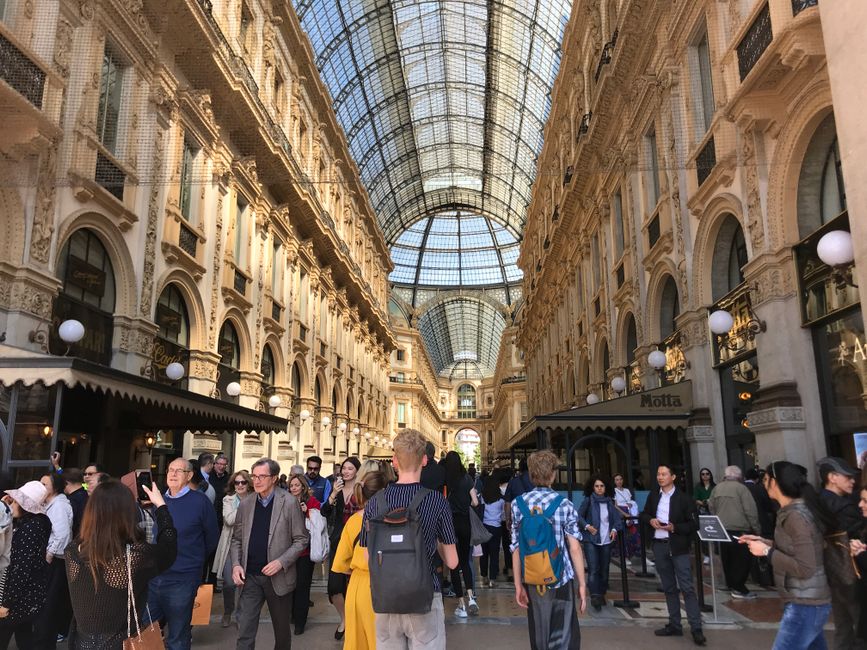
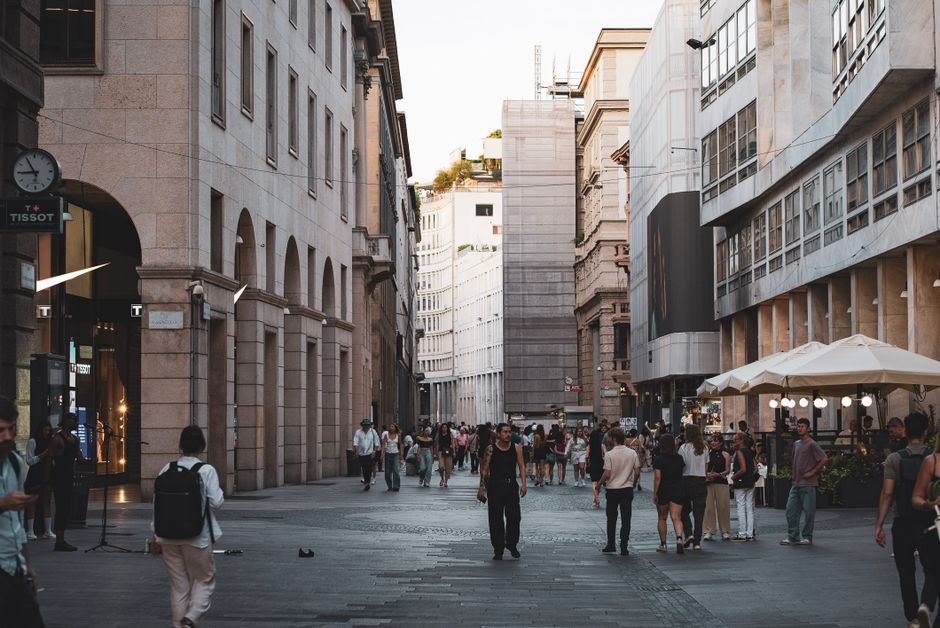
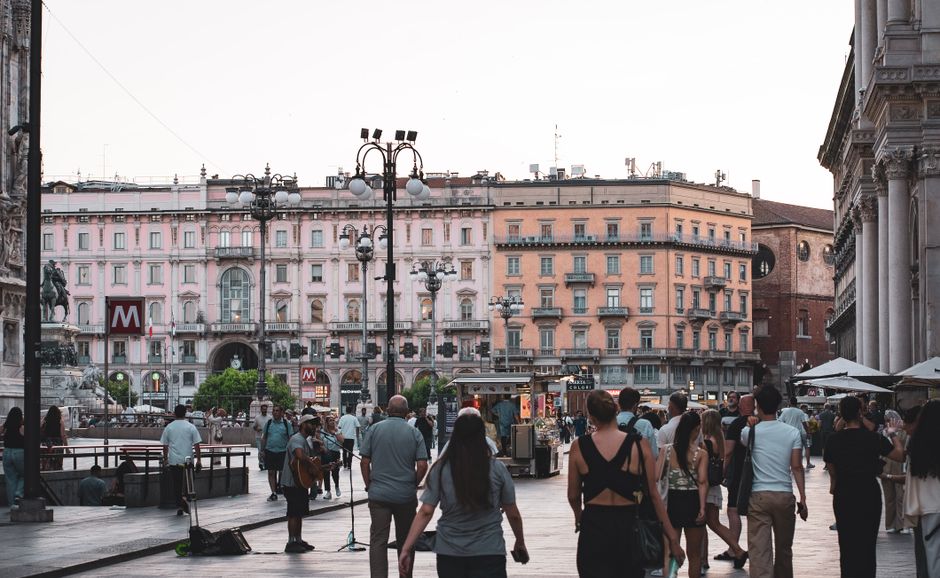
Walk through the Brera district on any given evening and you'll encounter Milan's creative paradox: art students sketching beneath Renaissance facades, vintage fashion boutiques tucked into 15th-century courtyards, design studios occupying centuries-old palazzo spaces. This isn't nostalgia—it's the city's deliberate strategy to anchor its future in the past.
The restoration of the Navigli canals, which once connected Milan to Como and the broader Alpine network, represents this approach most visibly. Closed to traffic in recent years and now pedestrianised, the waterways have become cultural arteries. The Pinacoteca di Brera, established in 1809, remains a pillar, but younger institutions like the BASE Milano—housed in the restored Ansaldo industrial complex—demonstrate how Milan recycles its heritage into contemporary purpose. The €12 million investment in canal-side public spaces has already attracted independent galleries, design collectives, and performance venues that might otherwise have fled to cheaper European cities.
This isn't accidental. The Castello Sforzesco, once a defensive stronghold and now a museum complex housing everything from Renaissance paintings to ancient Egyptian artifacts, saw visitor numbers reach 1.8 million annually by 2024. That traffic justifies the €8.5 million restoration programme completed last year, but it also signals something deeper: Milanesi understand that their city's identity lies in synthesis. Medieval fortifications become contemporary art venues. Napoleonic-era palaces house cutting-edge fashion houses. The Porta Garibaldi neighbourhood, once industrial and marginal, has transformed through heritage-led regeneration into a hub where design studios occupy converted factories.
The real test, however, lies beyond the tourist circuits. In quartieri like Navigli and Sant'Ambrogio, younger creative professionals—photographers, illustrators, conceptual designers—have deliberately chosen Milan precisely because its layered history offers narrative depth. A designer working from a Sforzesco-era side street has access to centuries of visual codes, architectural syntax, and cultural memory that algorithmic trend forecasting cannot replicate.
This heritage-driven identity now defines Milan's competitive advantage. While other European cities chase uniformity or chase the future, Milan has recognised that its medieval DNA, Byzantine church architecture, Renaissance patronage systems, and 19th-century industrial innovation form an irreplaceable creative substrate. The city's 2026 cultural strategy explicitly prioritises heritage regeneration as an economic driver, allocating €45 million to restoration projects that simultaneously create affordable studio spaces for emerging artists.
Milan's past isn't decoration. It's becoming the architecture of its creative present.
This article was compiled by AI and screened before publishing. See our editorial standards.