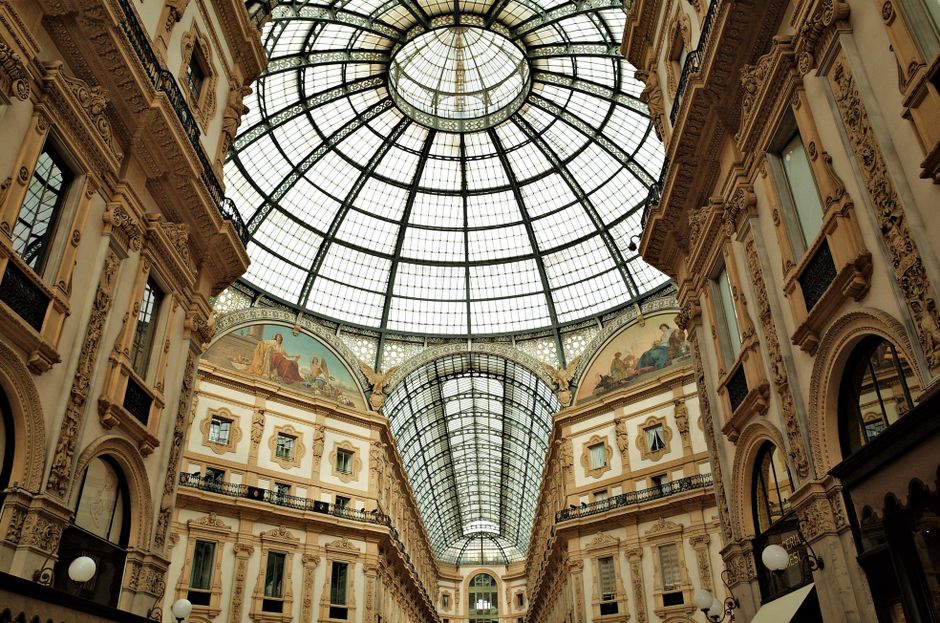
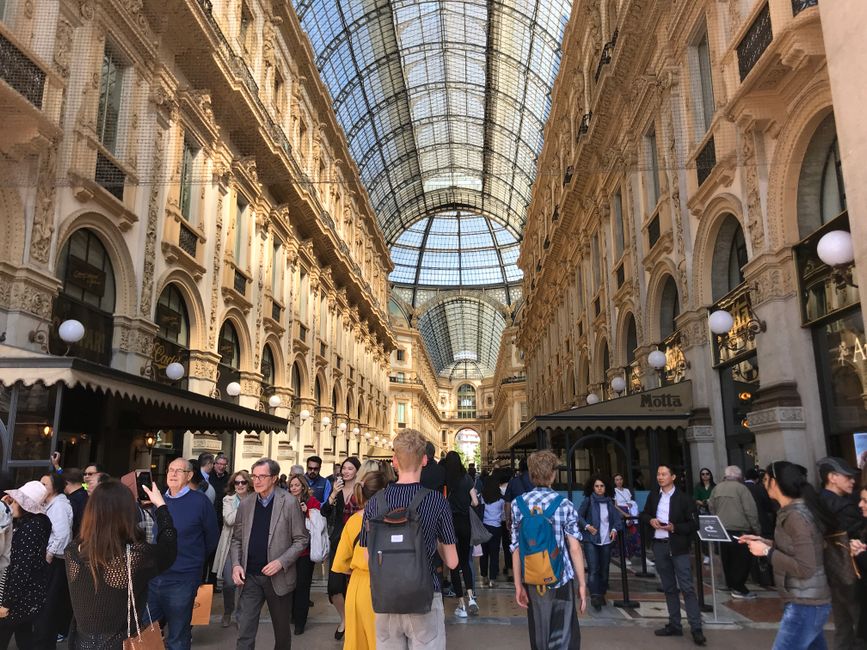
Walk through the Brera district on any given afternoon, and you'll spot design students sketching in cafés alongside established pattern-makers hunched over fabric samples. This collision of established craft and emerging talent has defined Milan's creative trajectory since the 1950s, when the city began its unlikely metamorphosis from manufacturing hub to arbiter of global taste.
The transformation wasn't spontaneous. Post-war Milan, devastated but determined, possessed two crucial assets: skilled artisans accustomed to precision work, and proximity to the textile mills of Como and Biella. By the early 1950s, designers like Giorgini and the nascent houses beginning to cluster around Via Montenapoleone recognized an opportunity. They paired craftspeople with creative vision, establishing the atelier model that would become Milan's signature.
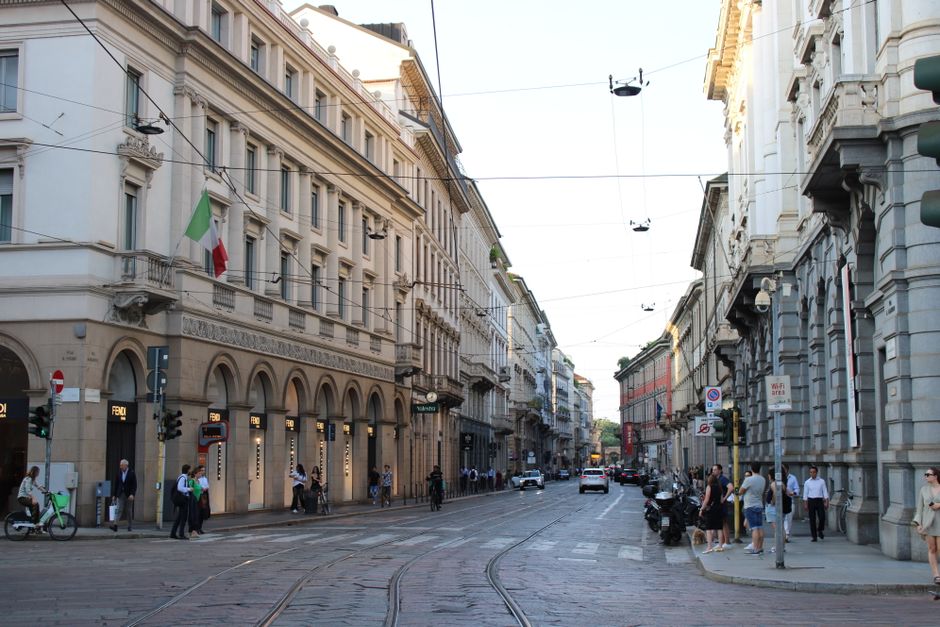
The real revolution came in the 1970s and 80s. Milan Fashion Week, formalized in 1975, transformed scattered ateliers into a coordinated industry. The Quadrilatero d'Oro—bounded by Via Montenapoleone, Via Sant'Andrea, Via Borgospesso, and Via Santo Spirito—became synonymous with luxury itself. Today, that four-block radius houses over 90 flagship stores and headquarters, generating an estimated €3.2 billion annually for the city.
But Milan's creative ecosystem extends far beyond heritage fashion. The Navigli district, once a working-class waterfront, has emerged as the epicenter for emerging designers and experimental labels. Rents remain substantially lower than the center—approximately €40-60 per square meter compared to €150+ in Brera—making it an incubator for startups. Venues like BASE Milano and the Politecnico di Milano's design school feed a constant stream of innovation into the market.
The digital turn arrived earlier here than elsewhere. Milan's design consultancies and tech-fashion hybrids began experimenting with virtual showrooms and AI-assisted pattern-making in the early 2020s, positioning the city ahead of Paris and New York in adoption. The Fuorisalone—the off-schedule design week that runs parallel to official fashion week—now draws over 300,000 visitors annually, many specifically seeking the experimental work happening in converted warehouses across Lambrate and Greco.
What distinguishes Milan's evolution from other fashion capitals is this: the city never abandoned its artisanal roots, even as it industrialized and digitized. A €65,000 custom wedding dress sewn on Via Brera in 2026 relies on techniques unchanged from 1956, executed by craftspeople who spent decades mastering their trade. That continuity—tradition as competitive advantage rather than liability—remains Milan's greatest asset as it navigates an increasingly fragmented, algorithm-driven creative economy.
This article was compiled by AI from the sources linked above and screened before publishing. See our editorial standards.