From Postwar Reconstruction to Global Powerhouse: How Milan Built the World's Fashion Capital
Seven decades of ambition, innovation and risk-taking transformed a bombed-out industrial city into the epicentre of global style.
Seven decades of ambition, innovation and risk-taking transformed a bombed-out industrial city into the epicentre of global style.
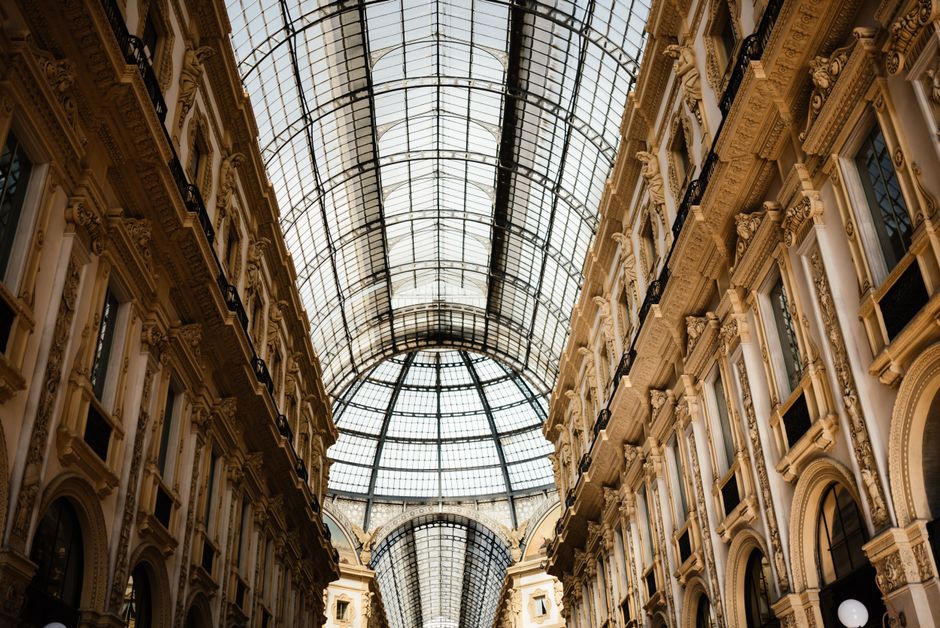
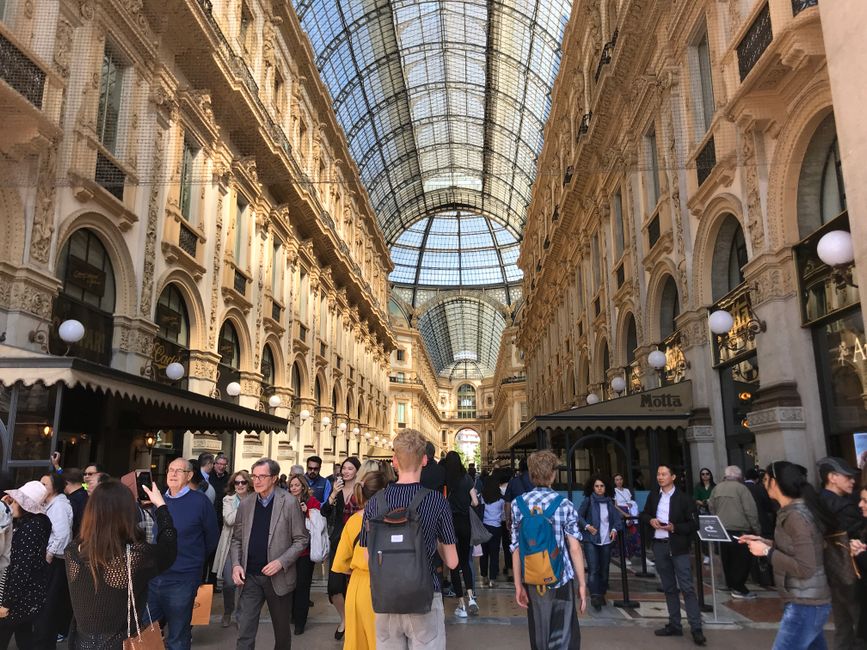
Walk down Via Montenapoleone today and it's easy to forget that Milan was rubble. In 1945, the city lay devastated by Allied bombing, its Duomo scarred, its factories flattened. Yet within a generation, Milan's creative industries had become the engine of European cultural influence—a transformation rooted not in nostalgia, but in relentless reinvention.
The fashion revival began modestly. In the 1950s, Milan's textile manufacturers—concentrated in the Navigli district and beyond—possessed the technical expertise and supply chains left from the region's pre-war dominance. Fashion shows started moving here from Rome, traditionally Italy's style capital. By 1958, the first official Milan Fashion Week took root. What set Milan apart wasn't heritage alone; it was speed. The city's proximity to Como's silk mills and Biella's wool producers meant designers could move from sketch to sample to catwalk in weeks, not months.
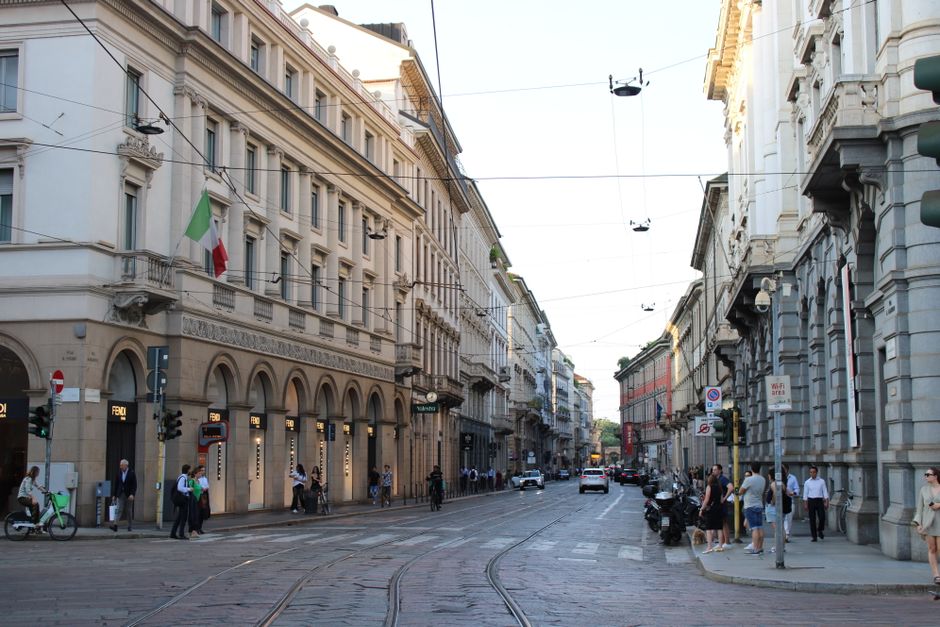
The real explosion came in the 1970s and 80s, when designers like Giorgio Armani, Gianni Versace, and the Missoni family turned Milan into a laboratory for luxury. The Quadrilatero d'Oro—bounded by Via Montenapoleone, Via della Spiga, Via Sant'Andrea, and Via Borgospesso—became the physical embodiment of this boom. A Montenapoleone boutique space that rented for 15,000 euros monthly in 1985 now commands ten times that figure, reflecting the district's evolution into the world's most expensive fashion real estate.
But Milan's design dominance extended beyond fashion. The Fuori Salone, born in 1961 as a guerrilla counter-programming during Furniture Fair week, became a global model for creative placemaking. The Brera neighbourhood transformed into galleries and design studios. By 2000, Milan had established itself as the headquarters for furniture design, industrial design, and graphic design—not just clothing.
What's remarkable is how the city adapted. When fast fashion threatened Milan's luxury positioning in the 2000s, the industry pivoted toward sustainability and heritage storytelling. Sustainability reports became as important as collections. The Politecnico di Milano and Università Cattaolica expanded design programmes, creating an ecosystem that attracts 50,000 international students annually to the city's creative courses.
Today, Milan's creative economy generates approximately 38 billion euros annually—roughly 18 percent of the city's GDP. Fashion Week alone attracts 100,000 visitors each season. It's a remarkable arc: from post-war survival to global arbiter of taste. The success wasn't inevitable. It required industrialists willing to bet on beauty, designers bold enough to challenge tradition, and a city that understood that culture, properly invested in, becomes an inexhaustible resource.
This article was compiled by AI from the sources linked above and screened before publishing. See our editorial standards.
How does this story make you feel?
Spread the word
About this article
Published by The Daily Milan
Daily brief
Free, in your inbox before 7am. Weekdays.
More in culture