Milan's Street Art Revolution: What Visitors Should Know and the Must-See Highlights
From the murals of Navigli to the bold designs of Isola, Milan's creative districts offer a counterpoint to Renaissance elegance—here's your essential guide.
From the murals of Navigli to the bold designs of Isola, Milan's creative districts offer a counterpoint to Renaissance elegance—here's your essential guide.
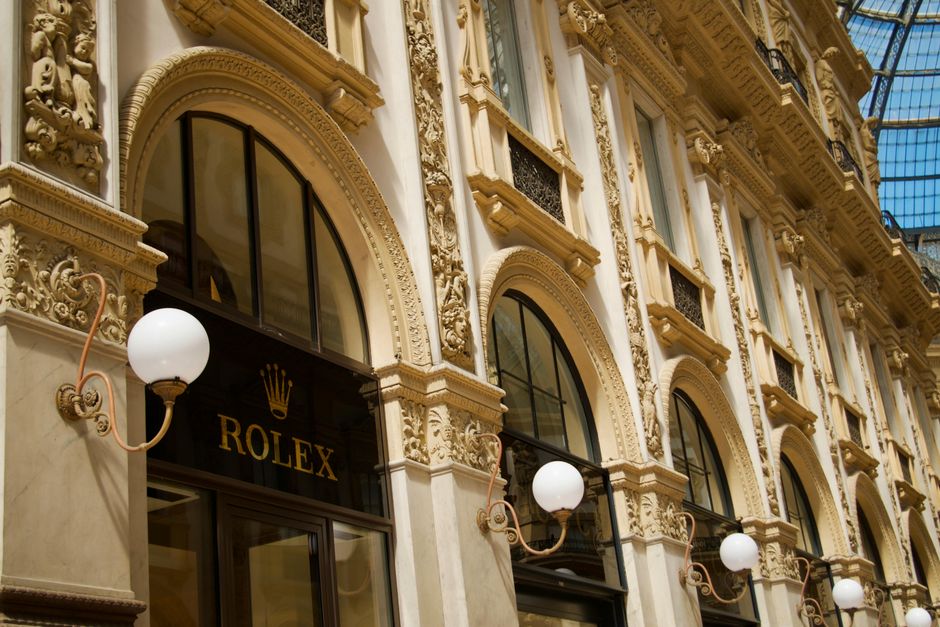
Milan has long been synonymous with high fashion and classical architecture, yet over the past decade the city has quietly cultivated one of Europe's most compelling street art scenes. For visitors seeking an alternative Milan—one that pulses with contemporary creative energy—the city's emerging design districts demand attention.
The Navigli quarter remains the epicentre of Milan's street art movement. This historic canal district, which attracts roughly 200,000 visitors annually, has become a canvas for established and emerging artists. The towering murals along the Naviglio Grande and Naviglio Pavese are best explored on foot, ideally during the month-long Navigli Art Fair in September, though the neighbourhood thrums with creative activity year-round. Budget €3–5 for a coffee at one of the canalside bars while you observe artists at work during summer weekends.
Less crowded but equally vital is the Isola neighbourhood, north of the Garibaldi station. Once industrial and neglected, this district has transformed into a hub for independent galleries, design studios and street muralists. Via Torino and the surrounding laneways display rotating installations that reflect Milan's younger creative class. The district hosts roughly 30 active artist collectives, making it essential for those interested in process-oriented work rather than polished finished pieces.
For structured exploration, the Street Art Walking Tours (€18–22 per person, organised by several local companies) provide context that random wandering cannot. These typically cover four to five neighbourhoods across three hours, with knowledgeable guides explaining the tension between municipal authorities and independent muralists—a dynamic that gives Milan's street art much of its cultural texture.
The Lambrate neighbourhood, once purely industrial, now hosts MiArt's satellite exhibitions and is accessible via tram lines 1 and 2. Here, larger-scale works command warehouse walls, and the pace of change is rapid; what exists today may vanish within months, reflecting street art's transient nature.
Visitors should know that Milan's street art scene exists in productive tension with city planning. While some works receive official sanction, others exist in grey zones—this ambiguity is part of the scene's vitality. Respect for neighbourhoods remains essential: engage with the art respectfully, support local galleries and cafés, and avoid peak tourist hours (10am–2pm) for a more authentic experience.
Start your journey near Cadorna metro station at the edge of Navigli, then work northward toward Isola. Allow at least a full day for genuine immersion. Milan's street art won't rival Paris or Berlin in scale, but it reflects a city genuinely negotiating its identity between heritage and innovation.
This article was compiled by AI from the sources linked above and screened before publishing. See our editorial standards.
How does this story make you feel?
Spread the word
About this article
Published by The Daily Milan
Daily brief
Free, in your inbox before 7am. Weekdays.
More in culture