Walk through the Navigli district on any given evening, and you'll witness the evolution of Milan's creative identity in real time. Between the candlelit cafés along the restored canals, emerging designers have colonised former warehouses and cramped ground-floor studios, transforming what was once purely artisanal into something decidedly experimental. This shift—from heritage custodian to creative incubator—has become central to how Milan now defines itself.
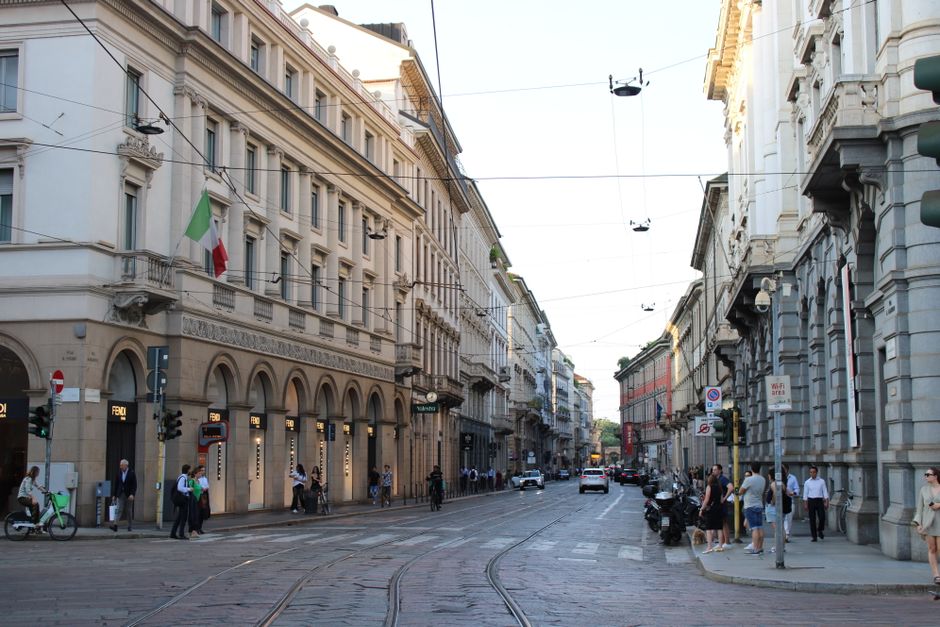
The numbers tell part of the story. Milan hosts approximately 12,000 fashion-related businesses, generating €18 billion annually for the Lombardy region. Yet beyond these figures lies a more complex cultural narrative. The city's creative identity increasingly encompasses not just the established houses headquartered around Via Montenapoleone, but the scrappier ecosystem flourishing in Isola, Lambrate, and the emerging creative corridors of the Zona Tortona.
The Salone del Mobile and Milan Fashion Week remain globally dominant events, drawing over 1 million visitors yearly. But what's shifted is the conversation happening in the margins. Venues like BASE Milano—a 40,000-square-metre creative space in the Zona Tortona—now host collaborative workshops blending fashion with digital design, sustainability research, and cross-disciplinary thinking. This represents a deliberate expansion of what 'Milan design' means beyond tailoring and fabric.
The city's investment in creative education reinforces this identity. Politecnico di Milano and institutions like NABA (Nuova Accademia di Belle Arti) are actively shaping a generation of designers who see Milan not as a shrine to perfection, but as a testing ground. Sustainability has become non-negotiable; the city's Circular Economy Hub has become integral to how younger creatives approach their practice, reflecting changing values among both makers and consumers.
Perhaps most significantly, Milan's creative identity is becoming more inclusive. While luxury remains central, the emergence of collaborative spaces, affordable studio complexes in peripheral neighbourhoods, and platform initiatives have democratised access. The Fondazione Prada and Triennale di Milano continue championing experimental work, signalling that the city values conceptual rigour alongside commercial success.
This evolution matters beyond fashion. As global cities compete for creative talent and cultural relevance, Milan is consciously crafting an identity that honours its legendary craftsmanship while embracing innovation, sustainability, and accessibility. The result is a city where heritage and experimentation coexist—not always harmoniously, but always productively. That tension, increasingly, is what defines Milan's creative character.
This article was compiled by AI from the sources linked above and screened before publishing. See our editorial standards.