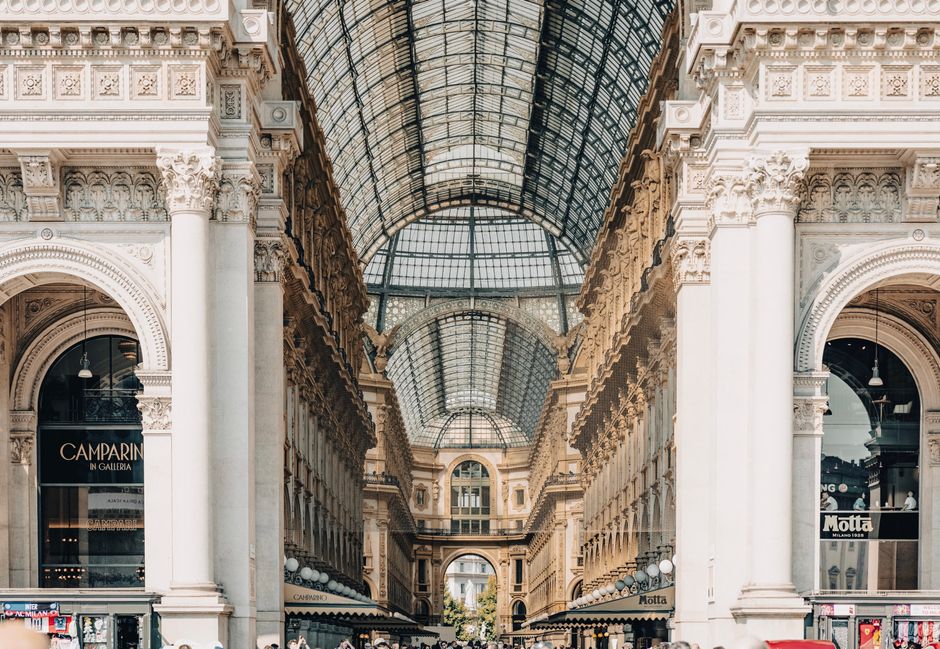
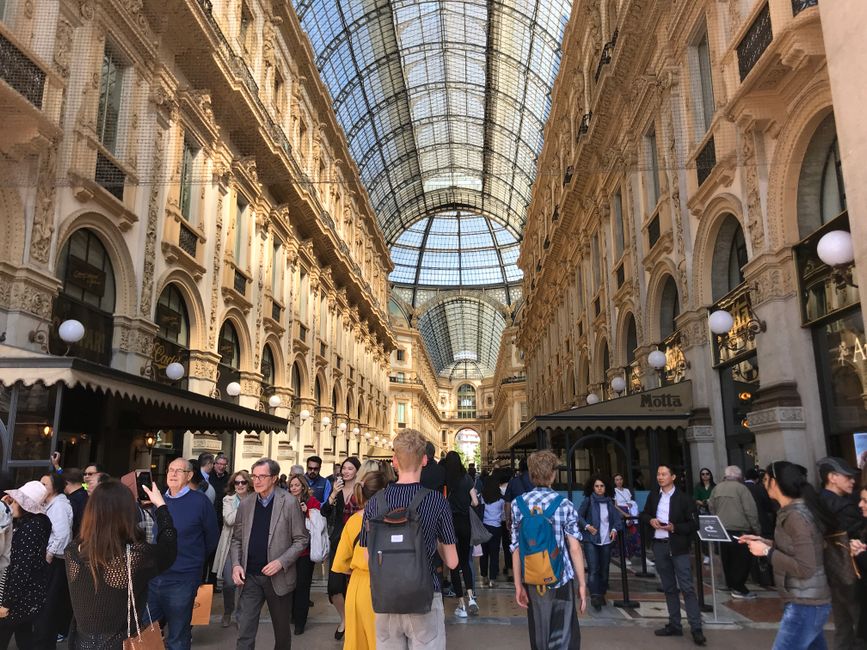
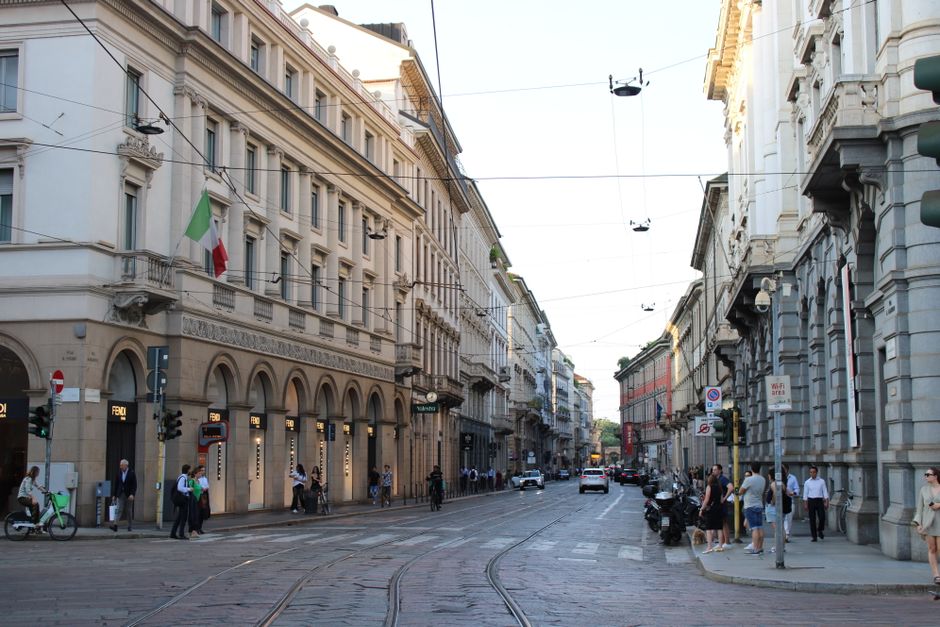
Walk down Via Brera on any given afternoon and you'll see Milan's design mythology in full display: sleek showrooms, impossibly chic pedestrians, galleries hawking six-figure furniture pieces. What few visitors realise is that this gleaming present was built by people most would have dismissed as dreamers, even failures.
That's precisely what interests Francesca Colombo, director of the newly established Brera Heritage Initiative, a grassroots archive documenting the neighbourhood's transformation from artistic backwater to global design powerhouse. "In the 1950s, this area was considered peripheral," Colombo explained during a recent walking tour. "The real Milan was the financial district. Brera had cheap rents and artists—people the establishment didn't take seriously."
The archive, housed in a modest two-room office near Pinacoteca di Brera, has already catalogued over 400 interviews with first-generation designers, shopkeepers, and residents. Among them: the family behind the legendary Galleria Blu, which opened in 1958 with just 8,000 euros and became a launching pad for Gio Ponti protégés. Or the forgotten textile merchants of Via Fiori Chiari who supplied avant-garde architects before their names appeared in any design history.
What emerges from these testimonies is a portrait of calculated risk-taking. The designers who established Milan's reputation—many now household names in design circles—arrived as outsiders. They chose Brera not for its prestige but because they could afford it. Monthly studio rents averaged 200,000 lire (roughly €100) in 1960. Young architects and craftspeople pooled resources, shared kilns and printing presses, and built informal networks that eventually attracted international attention.
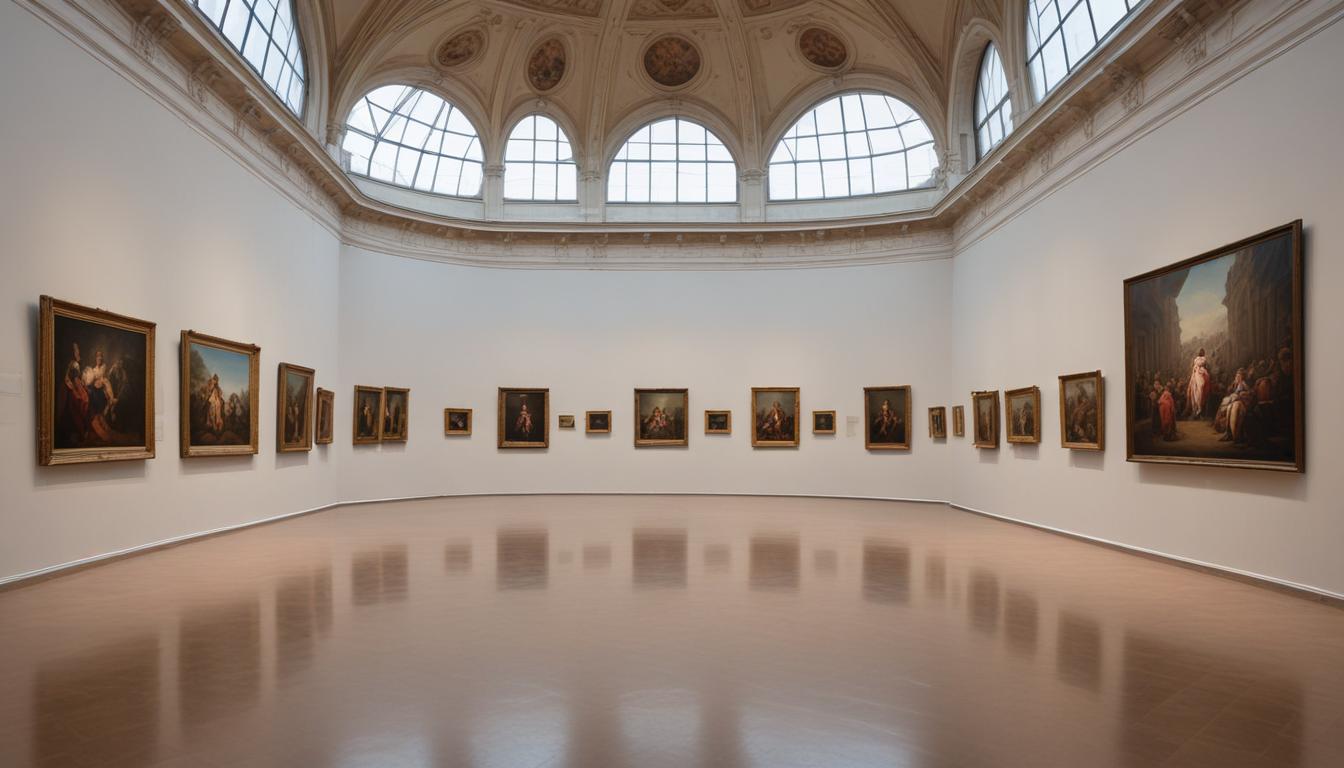
The initiative has already influenced Milan's cultural institutions. The Museo del Novecento recently announced a dedicated exhibition, "Brera's Rebels," opening this September, featuring photographs, sketches, and personal correspondence from the archive. Entry will be €12, with free access for residents of the surrounding Brera postcodes.
Colombo sees the work as urgent. "Many of these original players are in their nineties now," she noted. "Once their stories are lost, we lose the context that explains why Milan became Milan. We lose the human element—the struggles, the arguments, the failures that led to success."
In an era when Milan's design heritage is often packaged as finished product, the archive insists on recovering its origins: messy, modest, and profoundly human.
This article was compiled by AI from the sources linked above and screened before publishing. See our editorial standards.