Milan's Kitchen Revolution: Five Emerging Voices Reshaping the City's Food Future
As established names consolidate their empires, a new generation of chefs and restaurateurs is quietly rewriting the rules of eating out in Italy's fashion capital.
As established names consolidate their empires, a new generation of chefs and restaurateurs is quietly rewriting the rules of eating out in Italy's fashion capital.
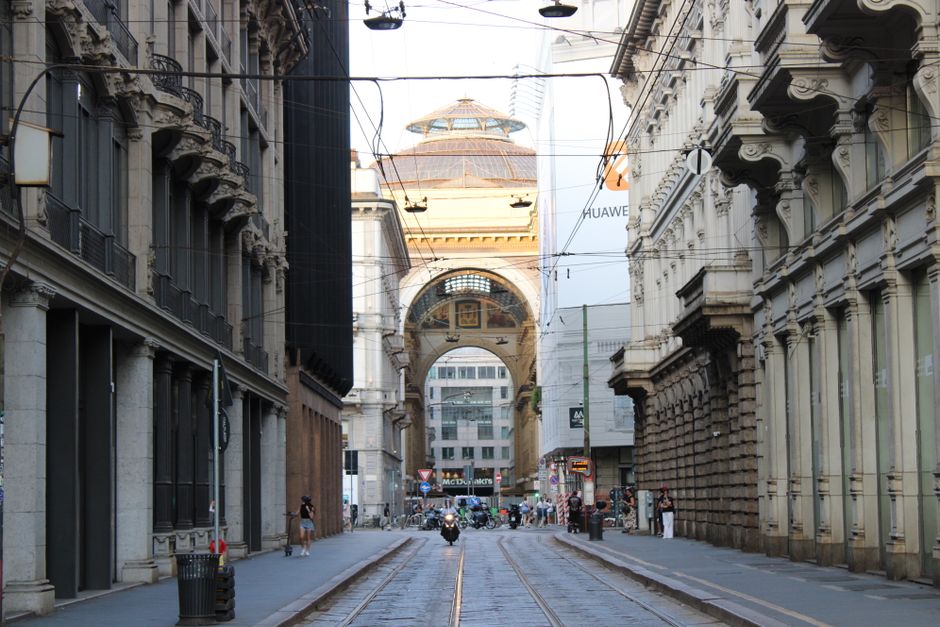
Walk through Navigli on any Friday evening and you'll spot them: the packed tables at smaller venues with minimal signage, the Instagram stories tagged from converted warehouses in Isola, the queues forming outside unmarked doors in Porta Romana. Milan's food culture is experiencing a generational shift, one that feels less like disruption and more like organic evolution.
The city's established fine-dining guard—Michelin-starred institutions clustered around Montenapoleone and the Centro Storico—remains formidable. But increasingly, the cultural conversation has migrated to the margins. Young chefs trained under household names are striking out with decidedly different visions: natural wine bars doubling as supper clubs, zero-waste kitchens in converted residential spaces, and Lombard cuisine stripped of pretension and repositioned for a generation that views sustainability as non-negotiable.
What's driving this shift? Partly economics. Rent in traditional restaurant districts now exceeds €80 per square metre monthly. Neighbourhoods like Navigli, Isola, and Porta Romana offer relative affordability, but more importantly, they've become cultural hubs where younger diners congregate. The average age of Milan's dining-out demographic has dropped noticeably; according to recent data from the Chamber of Commerce, 58 percent of restaurant revenue now comes from patrons under 40.
The emerging wave shares certain characteristics. They tend toward ingredient transparency—many have relationships with specific farms across Lombardy and neighbouring regions. They're skeptical of the kitchen hierarchy that defined previous generations. Several are experimenting with open kitchen formats or no-menu structures, building intimacy through direct conversation with diners. Prices hover between €35-65 for multi-course meals, deliberately positioned beneath the €100+ ceiling of established names.
Social media literacy distinguishes this cohort too. They understand that Instagram isn't incidental marketing but foundational to their business model. Yet many refuse the trap of Instagram-optimised food, instead building followings around authenticity and process documentation.
What remains to be seen is whether this emerging generation can consolidate their cultural momentum into economic sustainability. Milan's restaurant history is littered with beloved neighbourhood spots that couldn't scale beyond their original 40-seat format. The best of this new wave will likely resist scaling altogether—that may be precisely the point.
The next 18 months will be telling. Watch Navigli's northern stretch, the warehouse conversions along Corso Como's eastern continuation, and the quiet corners of Sempione. The city's next food chapter is being written there.
This article was compiled by AI from the sources linked above and screened before publishing. See our editorial standards.
How does this story make you feel?
Spread the word
About this article
Published by The Daily Milan
Daily brief
Free, in your inbox before 7am. Weekdays.
More in culture