Walk along the Navigli Grande on any summer evening and you'll witness thousands of Milanese and visitors absorbing what feels like the city's most authentic cultural pulse. Yet few pause to consider the hands that built this landscape—or the deliberate erasure that nearly consigned those stories to history's margins.
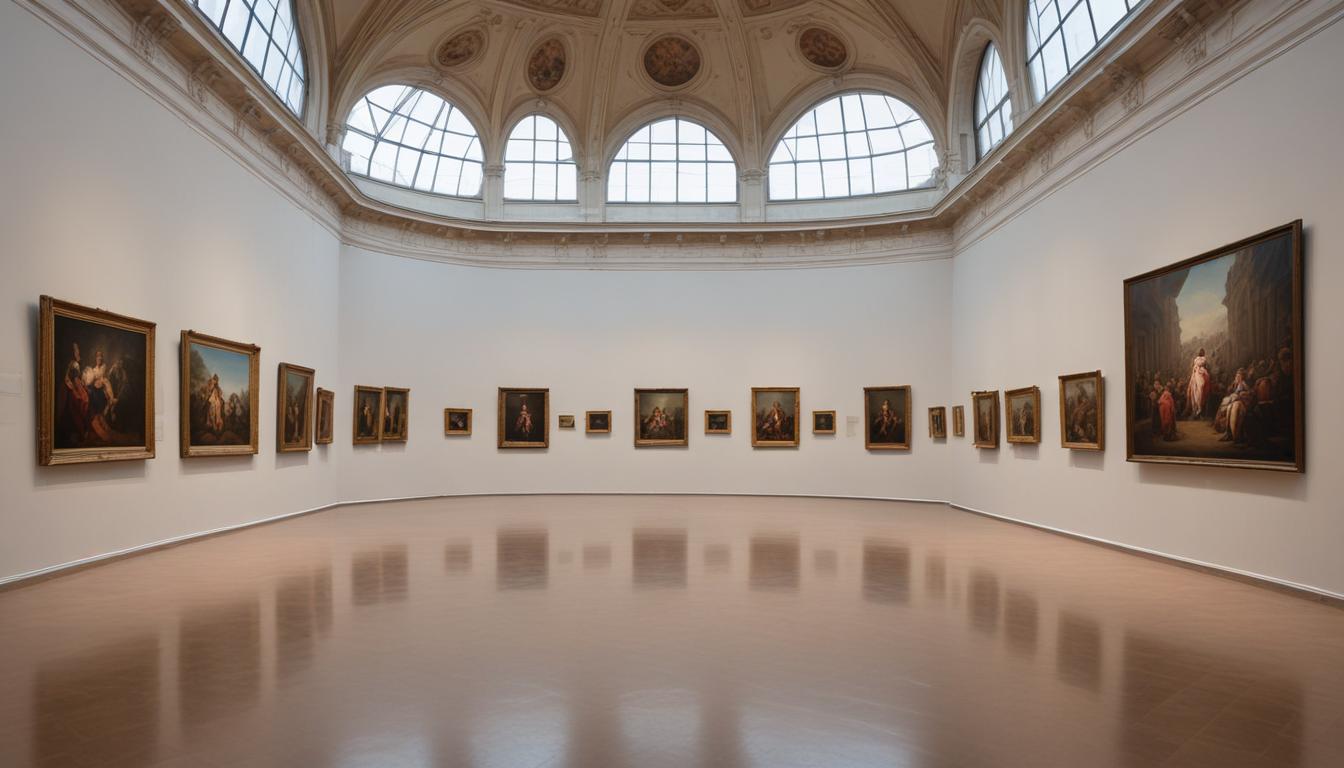
This month, the Fondazione Giangiacomo Feltrinelli opens "I Costruttori del Navigli," an exhibition honouring the engineers, navvies and entrepreneurs who shaped the canal system between the 14th and 20th centuries. Housed in their headquarters on Via Orsini, the exhibition confronts a persistent gap in Milan's cultural narrative: the working-class architects of one of Europe's most romanticised urban spaces.
The Navigli system—stretching across the Lombardy plain—required the labour of thousands. Ditch-diggers, stone masons, lock-keepers and administrators worked in conditions that ranged from gruelling to deadly. Contemporary documents, recently digitised by the Politecnico di Milano's heritage research unit, reveal wage records, accident reports and even poems written by canal workers themselves. The exhibition incorporates these primary sources alongside photographs from the Archivio Civico that document the canals' transformation during the 1960s urban renewal period—a moment when, the curators argue, the working histories were actively forgotten in favour of a sanitised aesthetic.
"We're interested in labour, infrastructure and identity," explains the exhibition's research team. "Milan tells itself as a story of Visconti dukes and 19th-century entrepreneurs. But the Navigli were built by people whose names we've lost."
The timing resonates. As Milan's tourist economy surges—Airbnb listings in the Navigli neighbourhood increased by 34 per cent between 2023 and 2025—questions about who benefits from cultural heritage intensify. The neighbourhood's transformation into a destination for €15 cocktails contrasts sharply with the living and working conditions of those who originally built it.
The exhibition runs through October, with free entry on Thursdays. More significantly, it launches a collaborative digital archive project with local residents, inviting Navigli communities to contribute family stories, photographs and oral histories. This participatory approach mirrors international best practice in heritage work—acknowledging that institutional memory, without community voice, remains incomplete.
In cities increasingly consumed by tourism and speculation, Milan's decision to centre worker narratives in its cultural conversation offers a different model. The Navigli weren't created by genius alone. They were built, stone by stone, by people who deserved remembering.
This article was compiled by AI from the sources linked above and screened before publishing. See our editorial standards.