Milan's Restaurant Revolution: How Food Culture is Redefining the City's Creative Identity
From Navigli's experimental kitchens to Brera's wine bars, Milan's dining scene has become the truest expression of its post-industrial reimagining.
From Navigli's experimental kitchens to Brera's wine bars, Milan's dining scene has become the truest expression of its post-industrial reimagining.
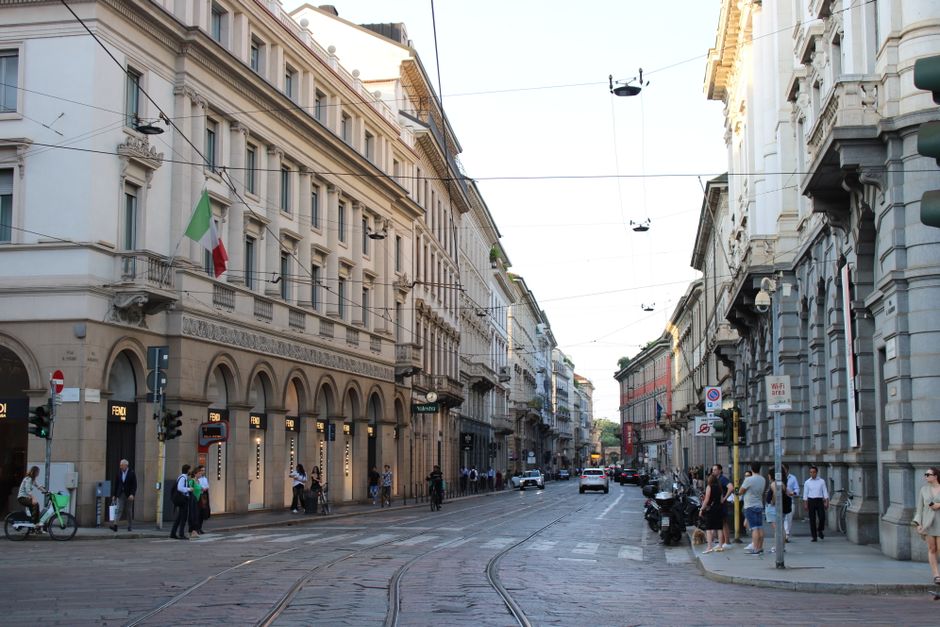
Walk through the Navigli district on any evening and you'll witness Milan's most honest cultural conversation happening over plates and glasses. The city that once defined itself through fashion houses and financial institutions has quietly undergone a deeper transformation—one measured in sourdough fermentation times and heritage grain sourcing rather than quarterly earnings.
The shift became unmistakable around 2023, when independent restaurateurs began clustering along Ripa di Porta Ticinese and the surrounding Navigli canals, deliberately rejecting the sterile minimalism that had dominated Milan's luxury dining scene. Today, spaces like these intimate venues prioritize narrative over Instagram aesthetics: chefs who source from small Lombardy producers, bartenders experimenting with natural wines from lesser-known regions, and open kitchens that invite collaboration rather than performance.
This isn't nostalgia—it's radical inclusivity dressed as tradition. The creative class that once migrated to Berlin or Brooklyn is now staying put, transforming neighborhoods like Isola and Porta Romana into laboratory kitchens where culinary experimentation happens alongside art installations and design studios. A typical evening in Isola might involve a seven-course tasting menu at a 30-seat trattoria (€65-85 per person) followed by wine at a converted warehouse bar, all within a 10-minute walk.
The economic data supports this cultural pivot. According to Milan's Chamber of Commerce, independent food and beverage venues have increased by 34% since 2022, while chain establishments have contracted. More tellingly, the city's restaurant tourism revenue has shifted: visitors increasingly cite 'authentic local dining experiences' over Michelin-starred institutions as their primary motivation.
What makes this distinctly Milanese is the efficiency with which the city absorbed this change. Rather than the messy gentrification patterns seen elsewhere, Milan's food revolution integrated seamlessly into its existing identity as a place where creativity meets functionality. The Brera district's gallery openings now cluster around wine bars serving natural wines alongside contemporary art. Lambrate's design studios share alleyways with experimental pop-up restaurants.
This is Milan's new cultural marker: a city defining itself not through what it sells globally, but through what it chooses to consume locally. The restaurant has become the gallery; the kitchen, the studio. In a metropolis once synonymous with external validation, Milan's creative identity now feeds itself from within.
This article was compiled by AI and screened before publishing. See our editorial standards.
How does this story make you feel?
Spread the word
About this article
Published by The Daily Milan
Daily brief
Free, in your inbox before 7am. Weekdays.
More in culture