Milan's Next Wave: Five Emerging Voices Reshaping the City's Food Culture
As established names consolidate their empires, a new generation of chefs and restaurateurs is rewriting the rules in Navigli, Isola, and beyond.
As established names consolidate their empires, a new generation of chefs and restaurateurs is rewriting the rules in Navigli, Isola, and beyond.
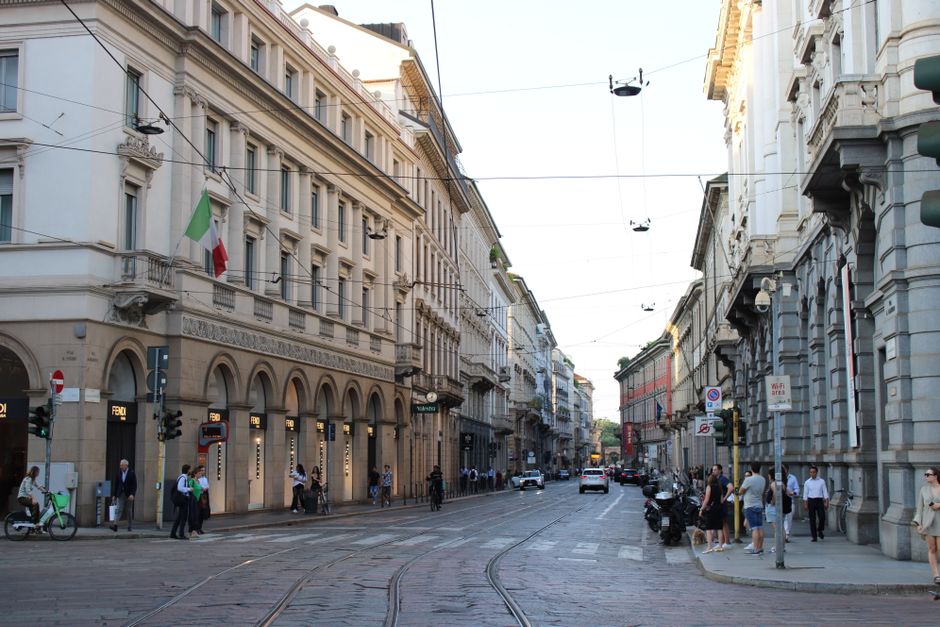
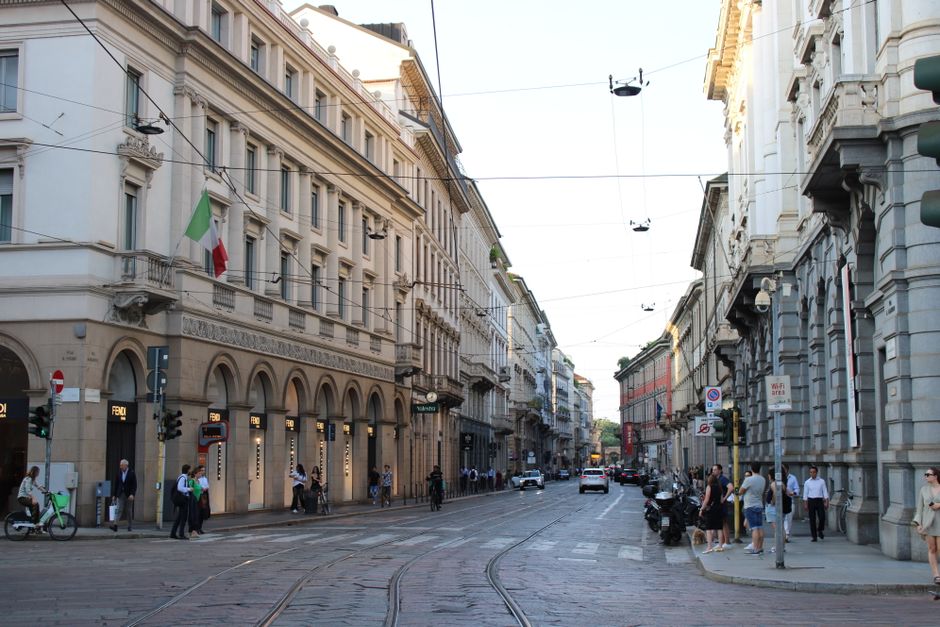
Milan's food scene has long been defined by heritage names and Michelin-starred institutions clustered around Montenapoleone and the centro storico. But walk through Navigli on a Friday night, peek into the design district near Porta Venezia, or venture into the transformed warehouse spaces of Isola, and you'll find a fundamentally different energy emerging—one driven by chefs under 40 who are building followings through social media, pop-ups, and intimate neighbourhood venues rather than marble lobbies and reservation lists.
This shift reflects broader changes in how Milan's younger professionals, particularly those working in tech and creative industries, want to eat. According to hospitality consultancy Horeca Trends Italia, casual-dining venues opened by under-35 entrepreneurs in Lombardy increased 34% between 2023 and 2026. Many are deliberately avoiding the tourist-heavy centro, instead clustering in neighbourhood hotspots where a €25-35 main course feels premium rather than expectant.
The pattern is visible across several adjacent areas. In Isola—a neighbourhood undergoing sustained gentrification—several former industrial spaces have been converted into chef-led kitchens with open concepts. Similarly, the Navigli canal district, traditionally known for aperitivo culture, now hosts an ecosystem of concept-driven venues experimenting with fermentation, nose-to-tail cooking, and hyper-local sourcing from Lombardy's agricultural belt.
What distinguishes this cohort from their predecessors isn't technique—Milan's culinary standards remain exacting—but philosophy. Many cite influences beyond traditional Italian cuisine: Korean fermentation methods, North African spice work, and even Nordic minimalism appear across menus that still anchor themselves to Lombard ingredients. Several are also openly committed to sustainability practices, with plastic-free packaging and staff benefits becoming baseline expectations rather than marketing angles.
The emergence is also visible through institutional recognition. The Accademia Italiana della Cucina, Milan's most prestigious culinary institution, has expanded its mentorship programs targeting under-35 chefs. Meanwhile, platforms like CibusLab—a Milanese food innovation hub near Porta Genova—have shifted from showcasing established names to incubating new projects through residencies and collaborative kitchen space.
These aren't rebels against Milanese food culture; they're fluent in its grammar while rewriting its syntax. They understand that a city hosting fashion week and major tech conferences expects its food culture to evolve at comparable speed. For visitors and locals alike, the message is clear: the most interesting conversations in Milan's food world are no longer happening in the obvious places.
This article was compiled by AI from the sources linked above and screened before publishing. See our editorial standards.
How does this story make you feel?
Spread the word
About this article
Published by The Daily Milan
Daily brief
Free, in your inbox before 7am. Weekdays.
More in culture