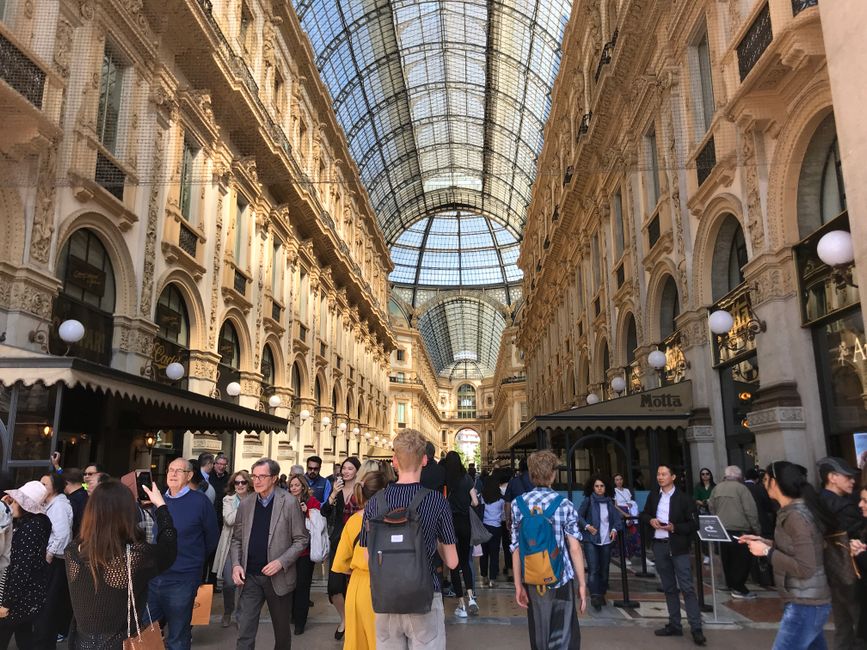
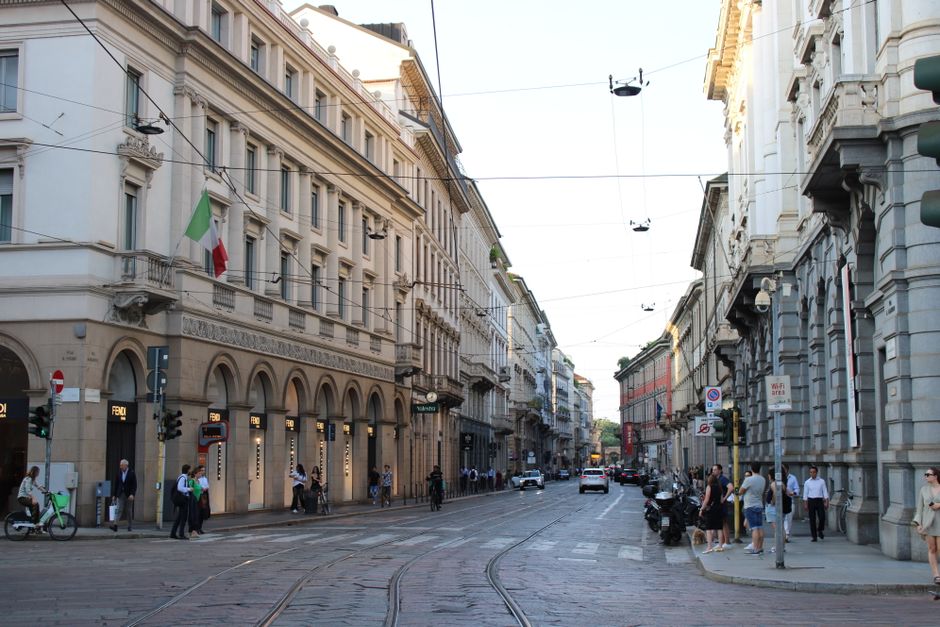
Walk along the Navigli Grande on a Saturday evening and you'll see two Milans colliding. On one bank, clusters of tourists photograph themselves against renovated 18th-century facades. On the other, longtime residents gather outside the corner bars their families have frequented for decades—many now under threat from landlords seeking premium rents.
This tension has reached a breaking point. Last month, the "Navigli per Tutti" collective—comprising heritage advocates, small business owners, and residents—submitted a formal petition to the Comune demanding a moratorium on new licenses for establishments targeting tourists. The move reflects deepening anxiety among Milanesi that the twin canals stretching toward the Ticino are becoming a theme park version of themselves.
The numbers tell the story. Between 2019 and 2025, rents in the Navigli jumped approximately 47 percent, according to local property analysts. Meanwhile, three artisanal workshops that operated for over 50 years on Via Ascanio Sforza have closed in the past 18 months. A carpenter's studio where generations of Milanese learned their trade is now a cocktail bar charging €14 for aperitivo.
"This isn't nostalgia," says the Associazione Artigiani Milano, which has been tracking displacement. "This is about maintaining the actual economic and social structures that made these neighborhoods worth preserving in the first place."
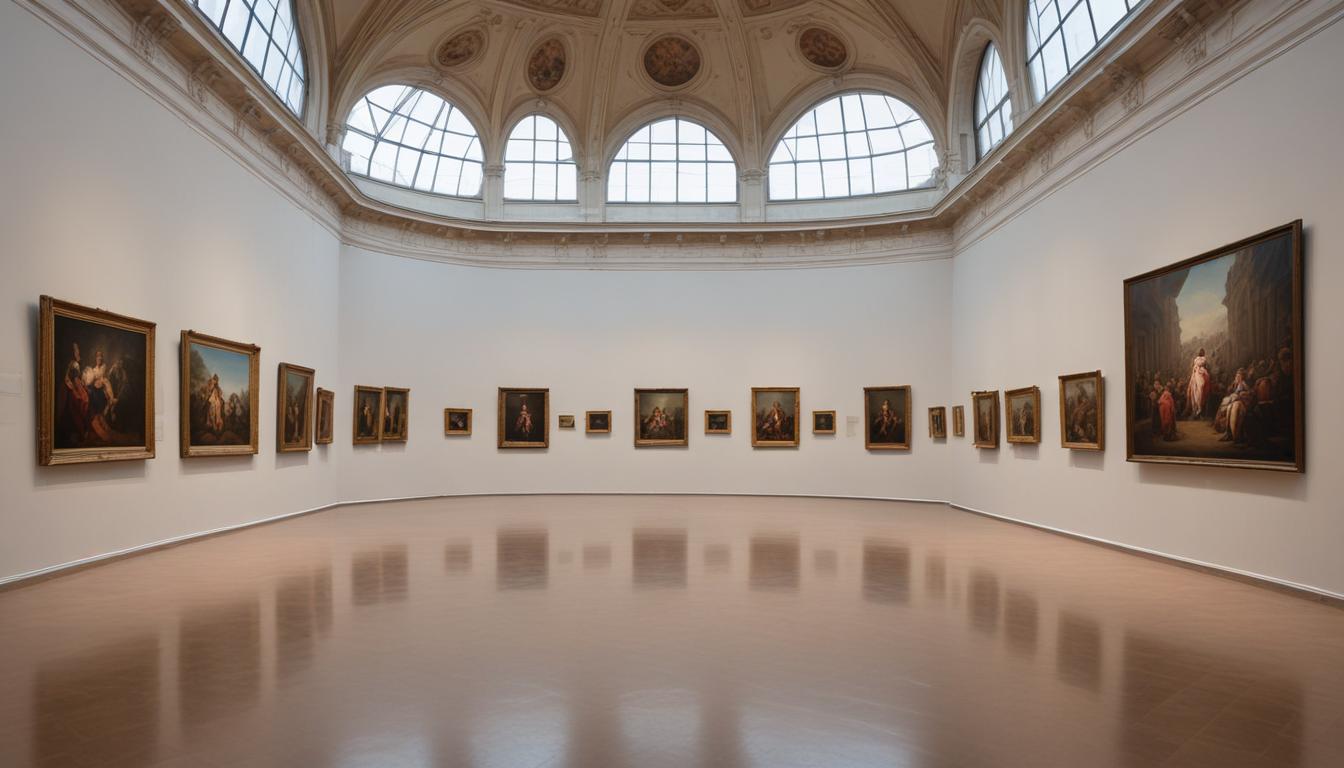
The flashpoint has energized broader conversations about Milan's identity. The Civico Museo del Navigli, recently expanded with a €2.3 million renovation grant, has positioned itself as a counterweight—actively documenting working-class life before gentrification erases it. Their current exhibition, "Acqua, Lavoro, Comunità," draws unprecedented foot traffic and has sparked school visits from across Lombardy.
Councillor Clara Bonfanti (PD) acknowledged the tensions at a June council session, proposing stricter heritage guidelines and rent-stabilization measures for commercial tenants—though implementation remains unclear. The proposal has already drawn pushback from business associations worried about over-regulation.
What's striking is the emergence of Milan's "heritage commons" debate beyond academic circles. Local bookstores report steady sales of Piero Chiara's canal novels. Social media forums dedicated to Navigli oral history attract thousands daily. Even international architecture journals are framing Milan's struggle as emblematic of how European cities preserve authenticity amid tourism acceleration.
For now, the Navigli remains a work in progress—contested, animated, and undeniably the conversation that matters most to Milanesi thinking about their city's soul.
This article was compiled by AI from the sources linked above and screened before publishing. See our editorial standards.