Milan's relationship with food and drink is less about sustenance and more about identity. Walk through the Navigli district on any evening and you'll witness the latest chapter of a story that began in the 1920s, when aperitivo culture first took root in the city's cafés. Today, that evolution tells us everything about how Milan sees itself: rooted in tradition yet perpetually forward-looking.
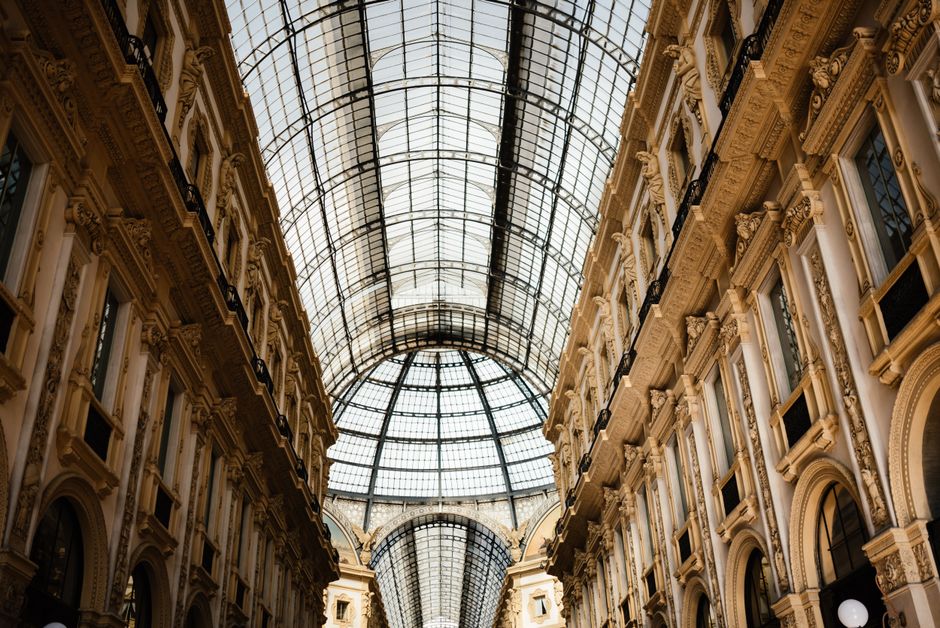
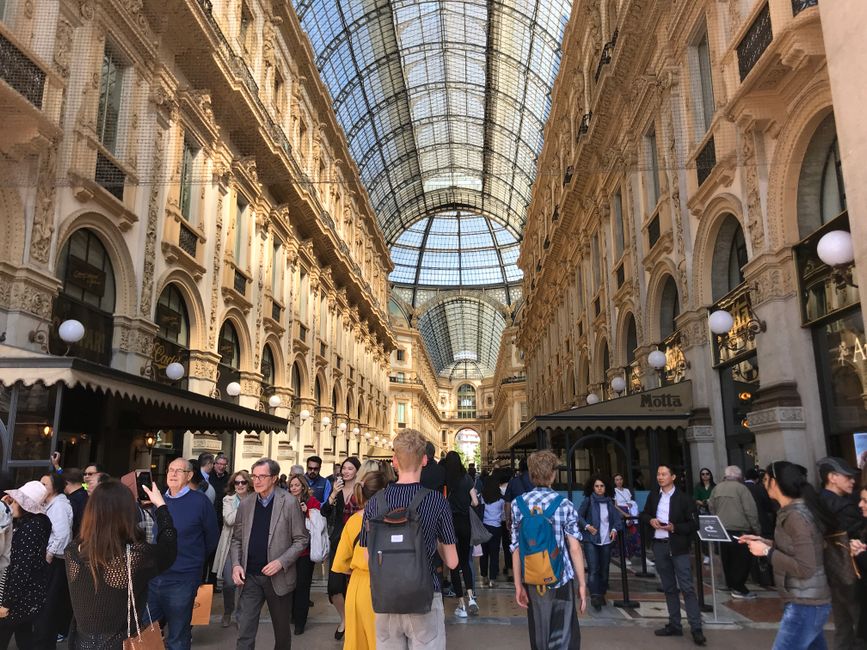
The early twentieth century belonged to establishments like those clustered around Piazza del Duomo and the Galleria Vittorio Emanuele II, where the Milanese elite gathered for coffee and conversation. The aperitivo—that sacred pre-dinner ritual—became codified around mid-century, transforming neighbourhood bars into social anchors. By the 1960s and 70s, working-class trattorie in Porta Romana and Navigli served robust risotto alla milanese and ossobuco to factory workers, while wealthier districts cultivated more refined dining rooms.
The 1990s marked a seismic shift. As Milan consolidated its position as fashion and design capital, the restaurant scene began reflecting international ambitions. The Navigli canals, long neglected, underwent regeneration. By 2005, the district had become a destination unto itself—a laboratory where traditional osterie rubbed shoulders with fusion concepts. Average meal prices in the Navigli climbed from €12-15 to €25-40 per person within a decade.
Today's Milan food culture is distinctly bifurcated. Historic venues like Trattoria Masuelli San Marco in Porta Romana (operating since 1921) maintain their original menus and working-class clientele, while Michelin-starred establishments dot the city. In 2024, Milan hosted 15 Michelin-starred restaurants, cementing its position as Europe's fourth-largest gastronomic hub after Paris, London, and Copenhagen.
The real revolution, however, belongs to the middle market. Neighbourhoods like Isola and Porta Venezia have become breeding grounds for chef-driven casual dining—places where €18 gets you something architecturally sophisticated. The craft cocktail boom arrived in 2012 and never left; bars on Via Brera now compete on technique and provenance alongside their historical counterparts.
What distinguishes Milan's evolution from other European cities is its refusal to choose between authenticity and innovation. A single evening might encompass an Aperol Spritz at a 1950s bar, dinner at a restaurant helmed by a chef trained under Massimo Bottura, and late-night risotto at a hole-in-the-wall spot that's been family-run for three generations. This cultural pluralism—the ability to honour what came before while embracing what comes next—remains Milan's greatest culinary export.
This article was compiled by AI from the sources linked above and screened before publishing. See our editorial standards.