The Milan Food Scene Guide: What Visitors Should Know and the Must-See Highlights
From Michelin stars to neighbourhood aperitivo culture, here's how to navigate Italy's culinary capital like a local.
From Michelin stars to neighbourhood aperitivo culture, here's how to navigate Italy's culinary capital like a local.
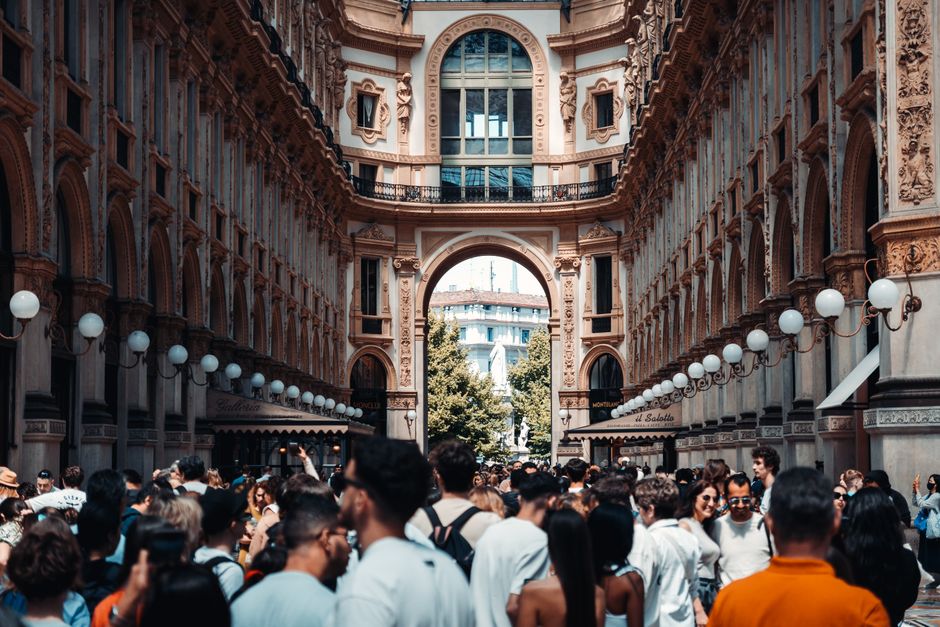
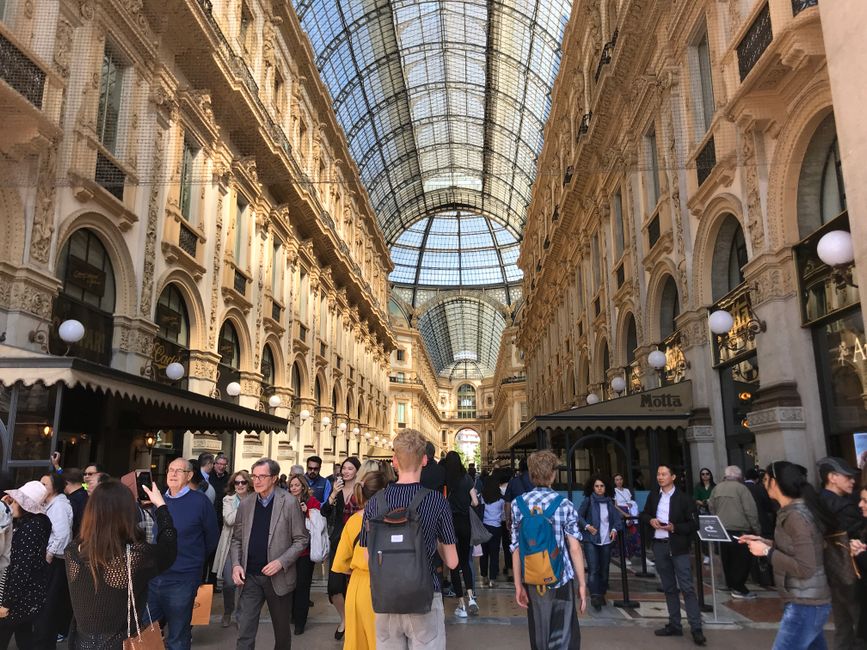
Milan's restaurant and bar scene operates on a rhythm all its own. Unlike Rome's tourist-heavy piazzas or Florence's Renaissance backdrops, Milan's food culture is fast-paced, design-conscious, and deeply embedded in the city's working rhythms. Understanding this matters if you want to eat well here.
First, timing. Lunch in Milan typically runs 12:30–14:30, and many serious restaurants close between services. Dinner doesn't start until 19:30 at the earliest—earlier than most European cities. Aperitivo hour, roughly 18:00–20:00, is sacred. In neighbourhoods like Navigli, Brera, and around Corso Como, locals gather for Prosecco and complimentary snacks, treating it as both pre-dinner ritual and standalone event. Budget €8–12 per drink; the spread of olives, breadsticks, and cheese is typically generous.
For Michelin dining, Milan punches above its weight with 13 starred establishments as of 2024. Cracco and Ristorante Sadler remain reference points, though reservations require weeks of advance planning and €120–200+ per person. The real discovery lies in the secondary tier: trattorias in Zona Tortona and family-run spots in Isola neighbourhood offer exceptional regional Lombard cooking—risotto alla milanese, ossobuco, panettone—without the ceremony.
Navigli, Milan's canal district, is essential but crowded. Better strategy: arrive early evening or on weekdays. The aperitivo crowds here are thick, but restaurants along Ripa di Porta Ticinese offer genuine quality. Budget €25–40 for dinner with wine.
For something distinctly Milanese, seek out focaccerie and panetterie (bakeries). Marchesi on Via Santa Maria alla Porta is iconic but touristy; locals prefer smaller spots scattered through Brera and around Sant'Ambrogio. A proper panettone or rosetta bread runs €3–8.
Street food culture exists but differently than in Naples or Palermo. You'll find quality sandwiches at delis like Peck, the historic 1883 food hall near the Duomo, though prices reflect prestige—expect €12–15 for lunch. More authentic: university neighbourhood Città Studi, where students and young professionals fuel themselves at casual spots.
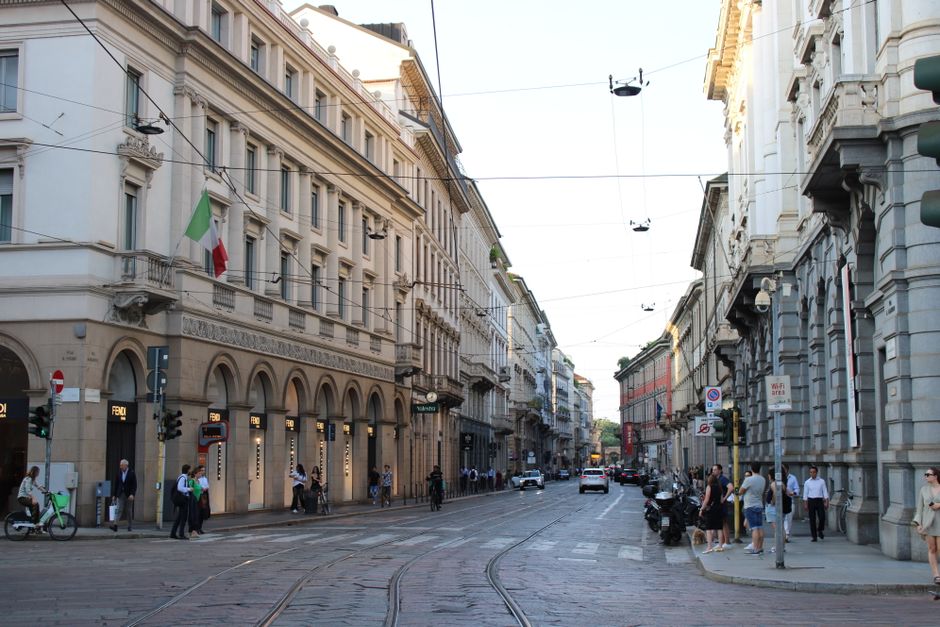
The bar scene clusters around Corso Como, the Quadrilatero d'Oro (fashion district), and increasingly, around the Centrale and Porta Nuova train stations, where cocktail culture has exploded. Negroni Cocktail Bar and Camparino are touchstones; newer spots in Isola push creative boundaries.
Skip the tourist menus posted in multiple languages. Real Milan dining requires reading Italian or asking locals. Translation: patience pays dividends. The city's food culture rewards those willing to step slightly outside the obvious circuits—and to eat on Milan time, not visitor time.
This article was compiled by AI from the sources linked above and screened before publishing. See our editorial standards.
How does this story make you feel?
Spread the word
About this article
Published by The Daily Milan
Daily brief
Free, in your inbox before 7am. Weekdays.
More in culture